Several legends explain Ganesha’s elephant head and birth. The most popular story describes how Parvati created Ganesha from clay or the turmeric paste of her body to guard her while she bathed. When Shiva returned, Ganesha, unaware of his father, stopped him from entering. In his anger, Shiva beheaded the boy. Realizing his mistake, Shiva promised to restore Ganesha to life and replaced his head with that of a young elephant. Another legend links Ganesha’s birth to the cosmic purpose of removing obstacles and guiding devotees toward spiritual success.
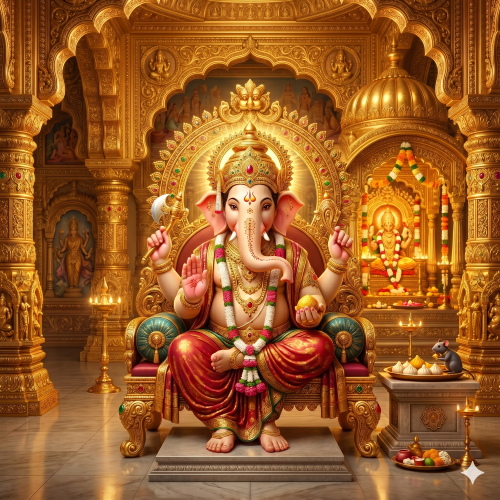
Ganesha’s birth symbolizes wisdom, discernment, and the fusion of human and divine qualities. The elephant head represents wisdom, intelligence, and strength, while the large ears signify that a wise person listens more. His small eyes denote concentration and keen observation, while his large belly symbolizes the ability to digest the good and bad in life.
Ganesha is typically depicted with four arms, holding objects such as a lotus (spiritual enlightenment), an axe (to cut attachments), a rope (to pull devotees toward spiritual goals), and a modak (sweet symbolizing spiritual reward). His vehicle, the mouse (Mushika), symbolizes humility and the idea that even a small creature can overcome great obstacles. The broken tusk, often seen in his iconography, is said to represent sacrifice and the pursuit of knowledge, as he used it to write the Mahabharata dictated by Vyasa.
Ganesha’s association with removal of obstacles makes him the first deity worshipped at the beginning of any venture, ceremony, or journey. In addition, he is revered as the god of intellect and learning, often worshipped by students, artists, and writers seeking wisdom and inspiration.
Chanting the mantra:
"Om Gan Ganapataye Namah"
The most famous festival dedicated to Lord Ganesha is Ganesh Chaturthi, celebrated across India, especially in Maharashtra, Karnataka, Tamil Nadu, and Andhra Pradesh. Devotees bring home beautifully crafted idols of Ganesha, perform daily rituals, and immerse the idols in water after several days in a ritual called Visarjan. This festival symbolizes the transient nature of life and the cycle of creation and dissolution.
Lord Ganesha embodies the ideal balance of wisdom, strength, humility, and compassion. As the remover of obstacles, he not only aids in worldly endeavors but also guides spiritual growth. Through festivals, daily worship, and cultural expressions, Ganesha continues to inspire millions of devotees worldwide, reminding them to approach life with intelligence, perseverance, and devotion. He is a deity who bridges the human and divine, blending joy, learning, and spiritual purpose into one universally beloved figure.
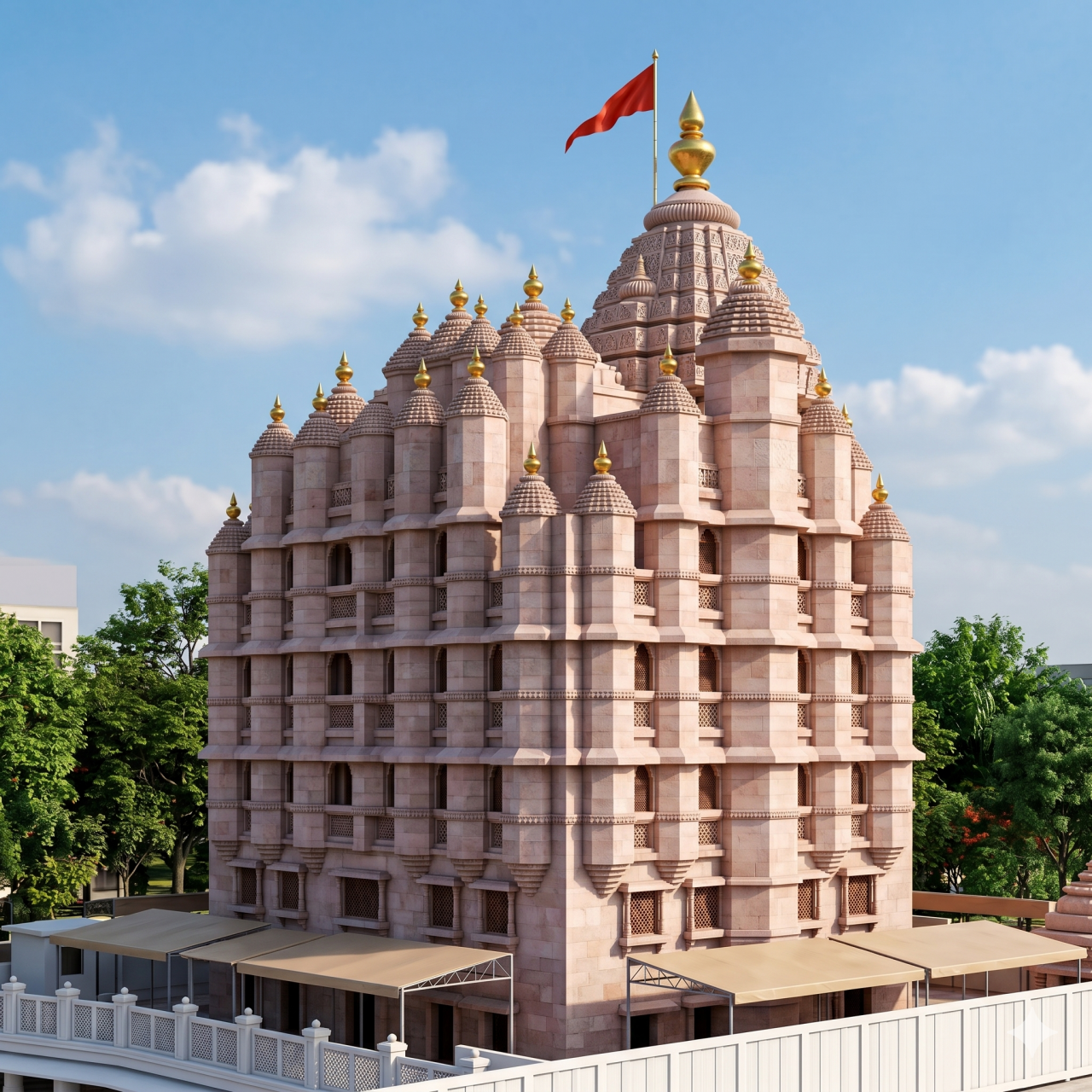
Siddhivinayak Temple is one of the most famous and widely visited Hindu temples dedicated to Lord Ganesha, revered as the remover of obstacles and the god of wisdom and prosperity. It attracts millions of devotees from across India and abroad, making it a key spiritual landmark in Mumbai.
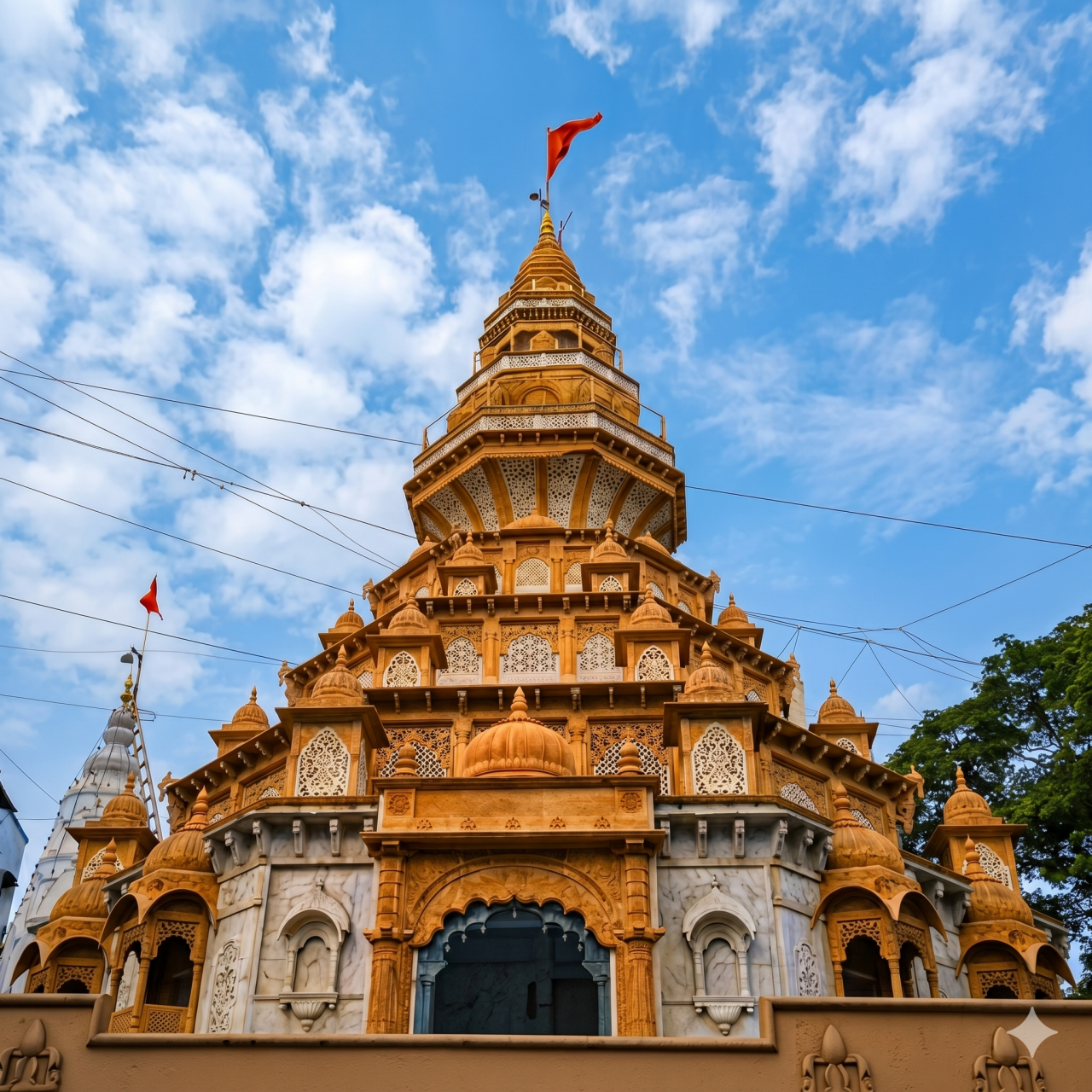
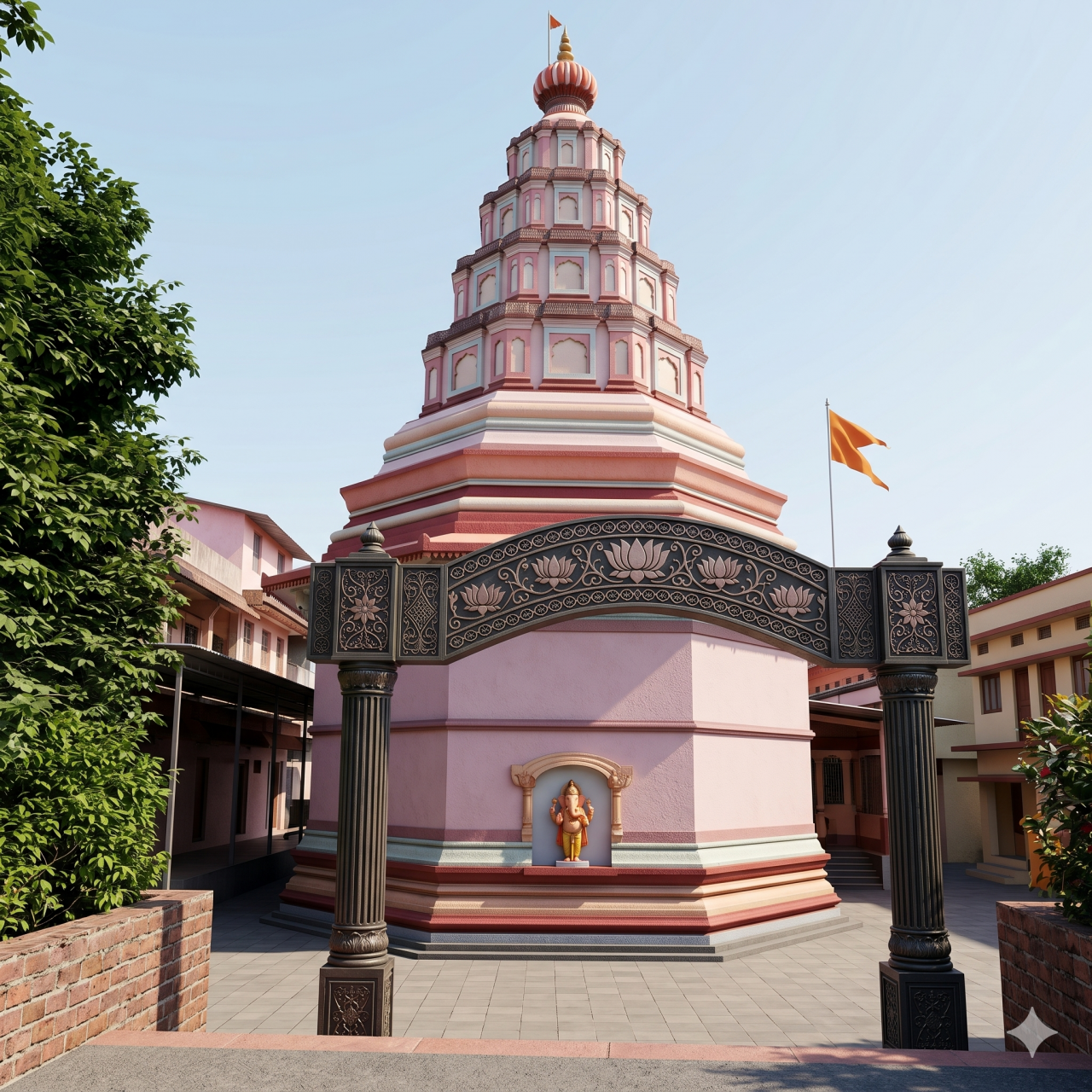
Dagdusheth Halwai Ganapati Temple is one of the most famous Hindu temples dedicated to Lord Ganesha, renowned for its richly adorned idol, vibrant festivals, and deep historical significance. It is a major pilgrimage and cultural center in Pune.
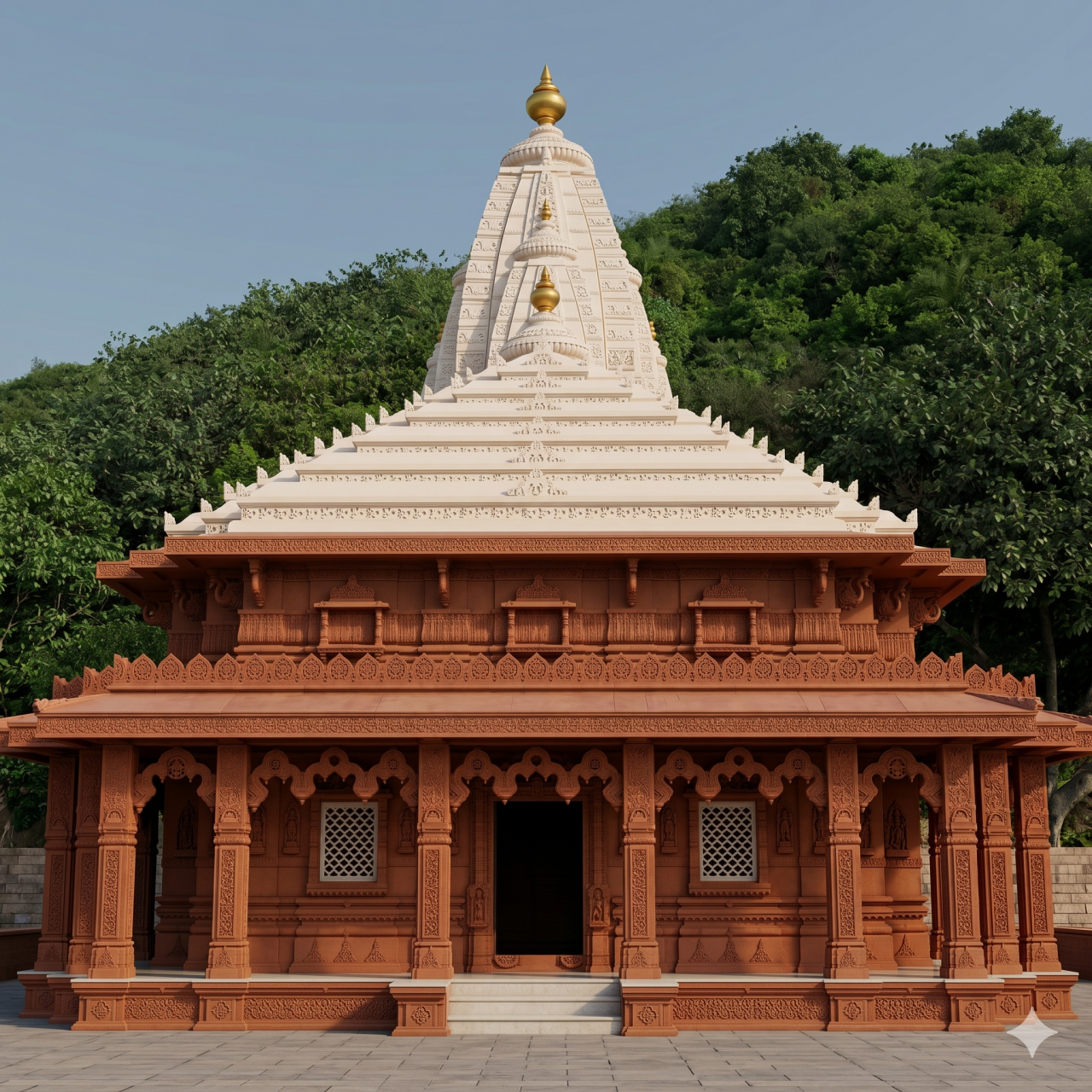
Ganpatipule Temple is a revered coastal shrine dedicated to Lord Ganesha, located in the town of Ganpatipule in Maharashtra’s Ratnagiri district. It is notable for its unique self-manifested (Swayambhu) Ganesh idol and its picturesque setting along the Konkan coast, attracting pilgrims and tourists alike.
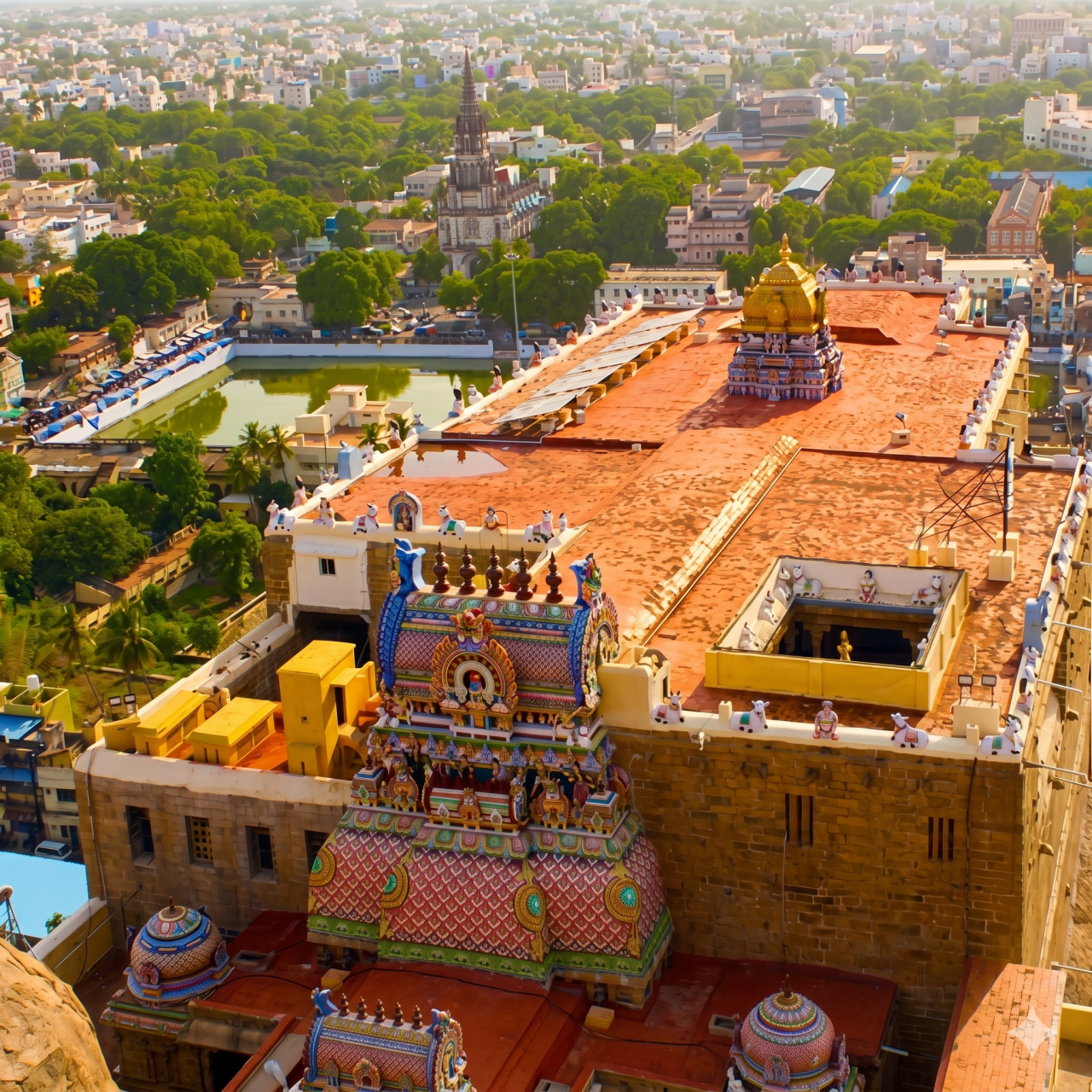
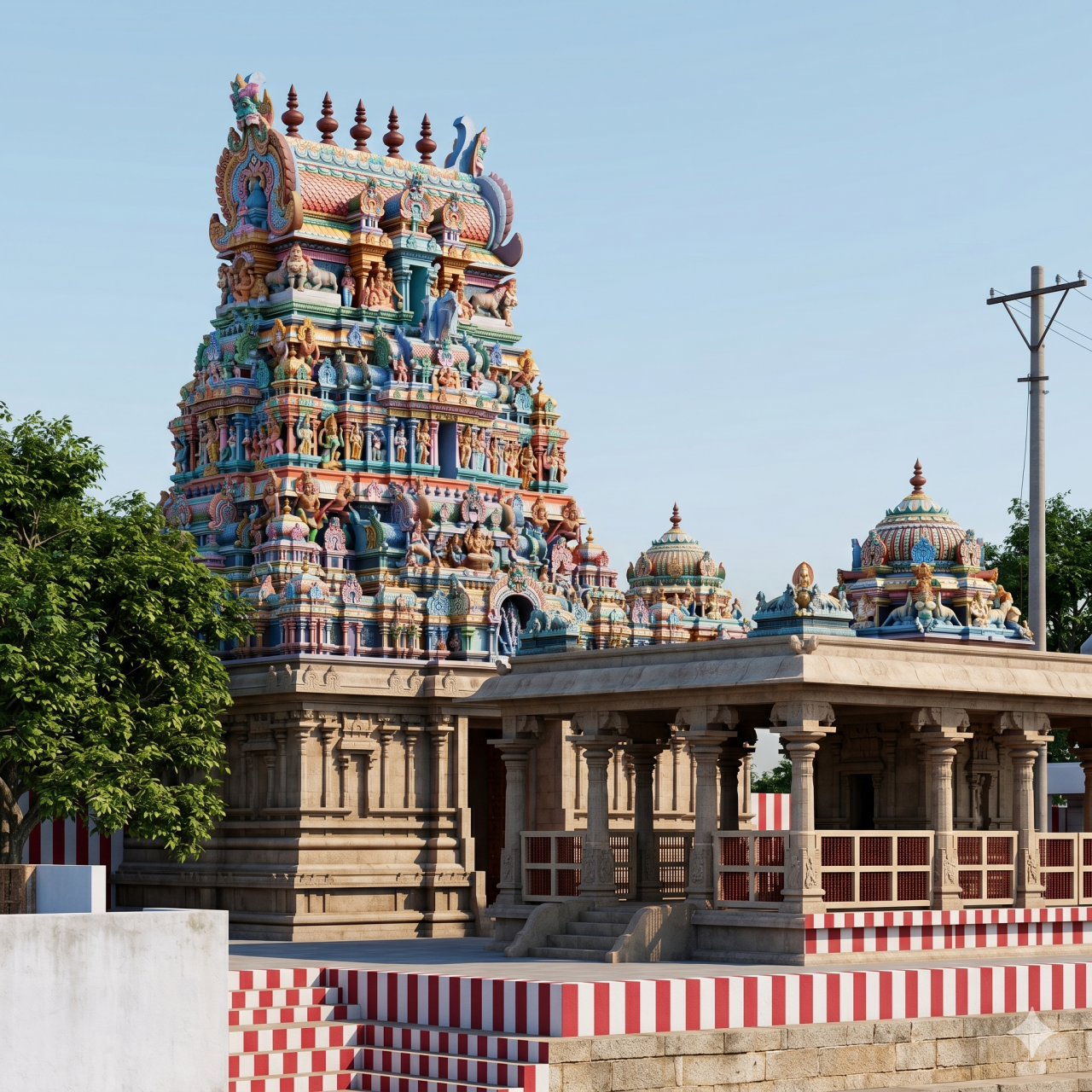
Rockfort Ucchi Pillayar Temple is a famous Hindu temple dedicated to Lord Ganesha, perched atop the historic Rockfort hill in Tiruchirappalli (Trichy), Tamil Nadu. The temple is a significant pilgrimage site and a major landmark of the city, offering both spiritual and scenic appeal.
Kanipakam Vinayaka Temple is a famous Hindu temple dedicated to Lord Ganesha, known for its self-manifested (Swayambhu) idol and miraculous legends. It is one of the most revered Ganesha temples in Andhra Pradesh and a major pilgrimage destination in South India.
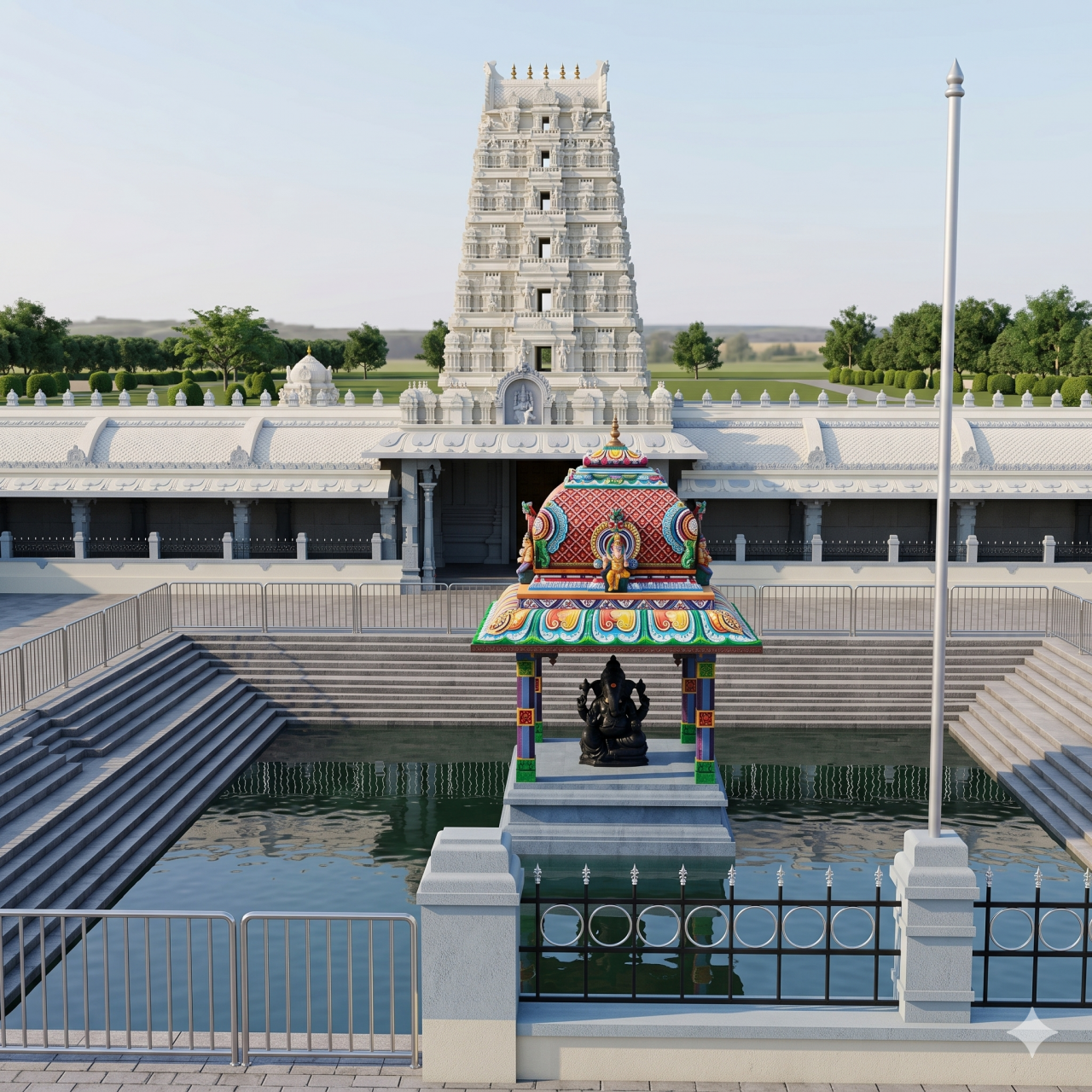
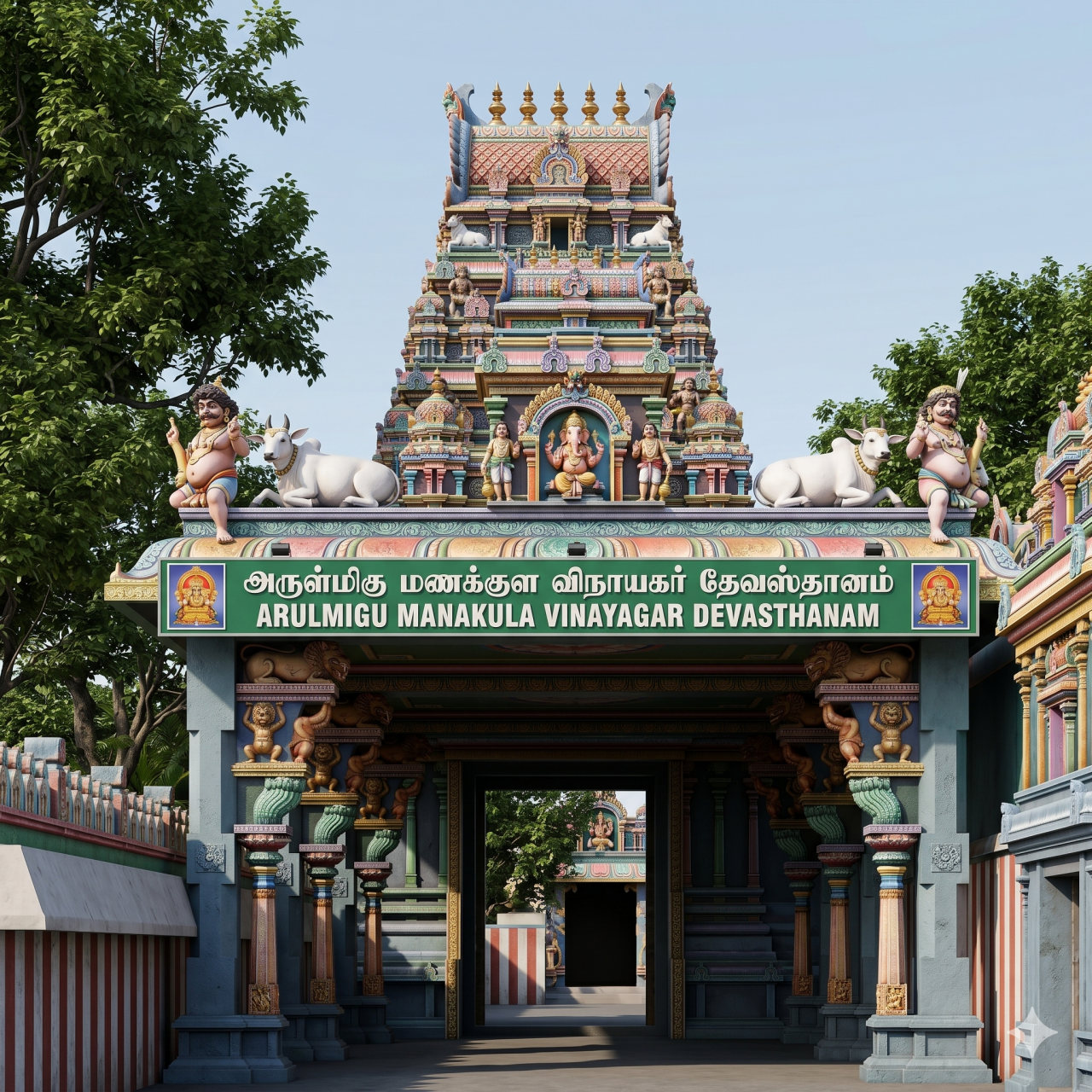
Manakula Vinayagar Temple is a famous Hindu temple dedicated to Lord Ganesha, known for its vibrant rituals, cultural significance, and the presence of a decorated temple elephant. It is one of the most visited and cherished temples in Puducherry.
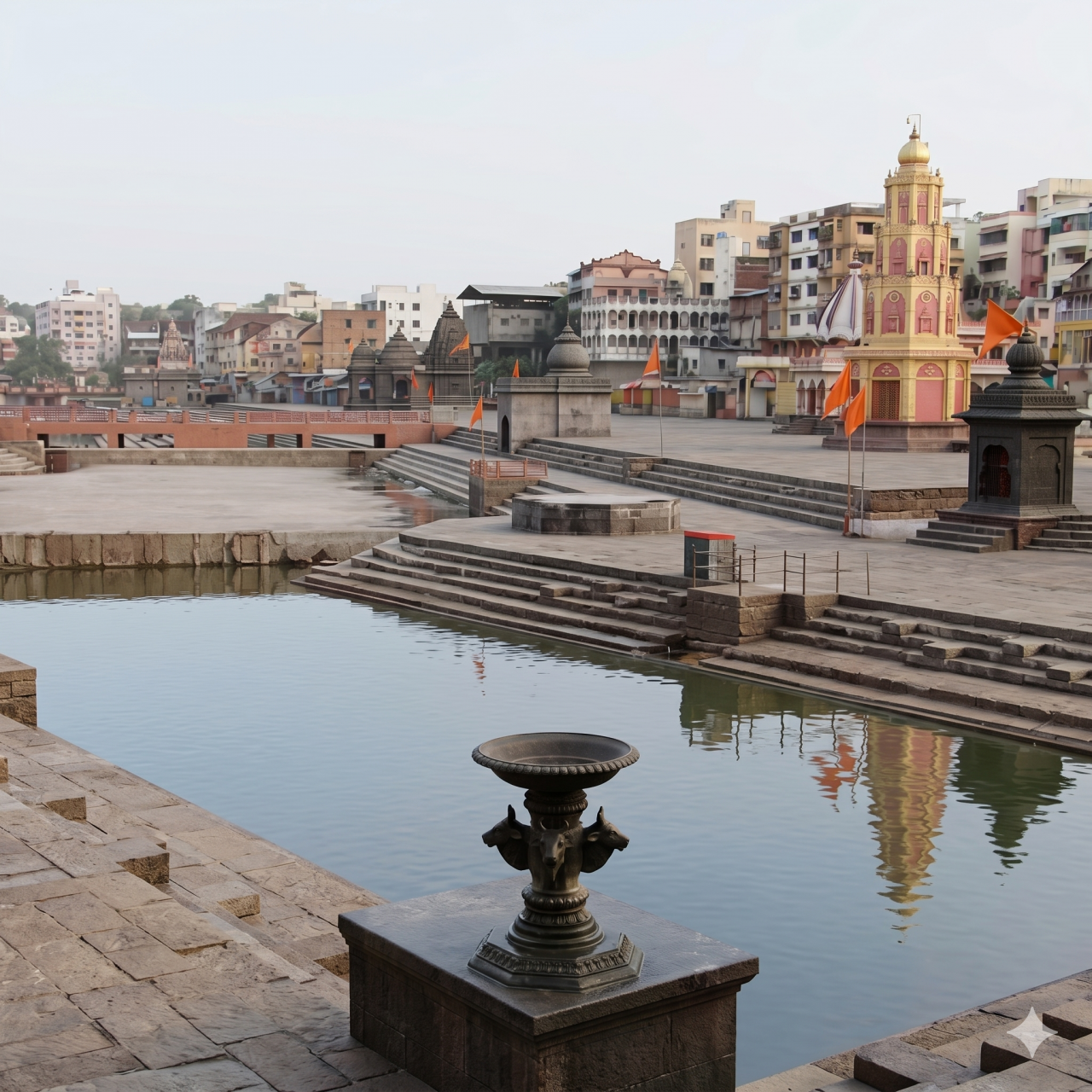
Navshya Ganpati Temple is a historic Hindu shrine dedicated to Lord Ganesha, located on the banks of the Godavari River in Anandvalli, Nashik, Maharashtra, India. Built during the Peshwa era, it is famed for fulfilling devotees’ wishes—hence the name “Navshya,” meaning “wish-granting” deity.
Ujjain Mangal Ganapati Temple is a famous Hindu temple dedicated to Lord Ganesha, widely revered as the remover of obstacles and the guardian deity of new beginnings. It is a prominent spiritual landmark in the ancient city of Ujjain, known for its religious and cultural significance.
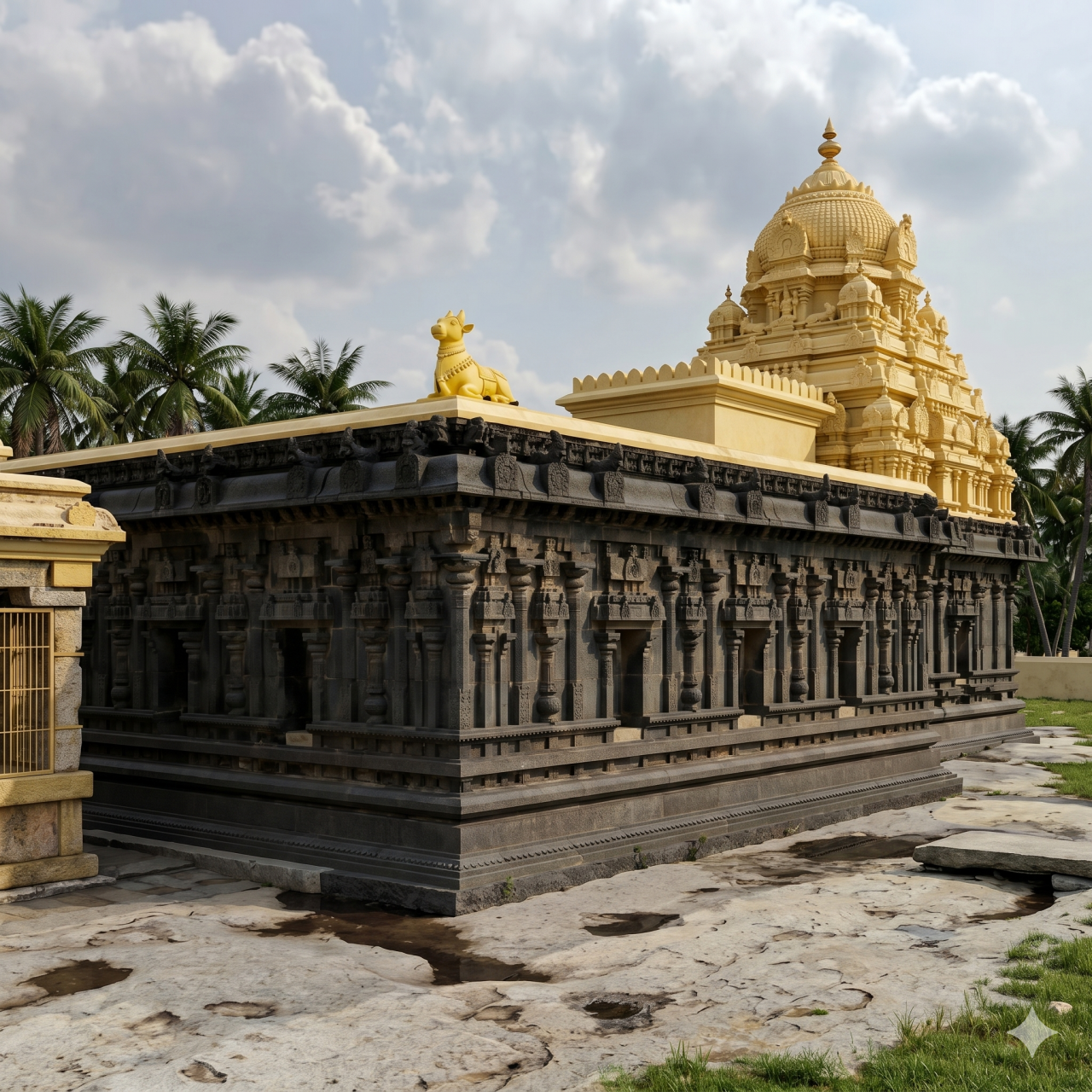
The Kurudumale Ganapati Temple is an ancient Hindu shrine dedicated to Lord Ganesha, located in Kurudumale village near Mulbagal in the Kolar district of Karnataka, India. Renowned for its massive monolithic idol and association with both mythological lore and medieval craftsmanship, it attracts pilgrims and art historians alike.
Karpaka Vinayakar Temple is an ancient and revered Hindu temple dedicated to Lord Ganesha, famous for its rock-cut monolithic idol and traditional Dravidian architecture. It is one of the most important Ganesha shrines in Tamil Nadu.
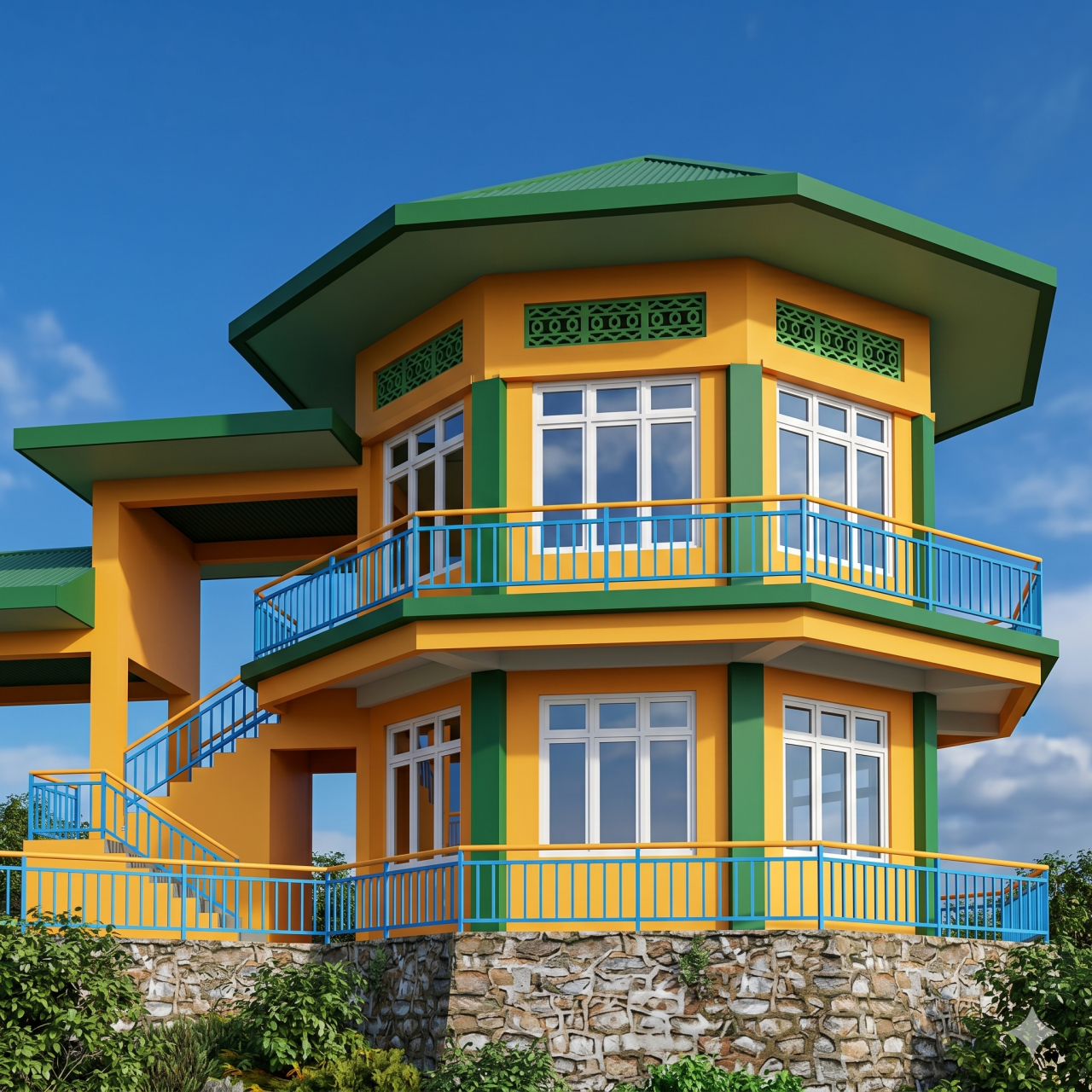
Ganesh Tok is a prominent Hindu shrine dedicated to Lord Ganesha, situated in the scenic hills of Gangtok. It is both a spiritual center and a tourist viewpoint, attracting devotees and travelers for its religious significance and panoramic views of the surrounding mountains.
Ballaleshwar Temple is one of the Ashtavinayak temples dedicated to Lord Ganesha, located in the quaint village of Pali. It is renowned for its unique legend of the devotee Ballal and is considered highly auspicious for devotees seeking blessings of devotion, prosperity, and wisdom.
Varad Vinayak Temple is a revered Hindu temple dedicated to Lord Ganesha, forming one of the Ashtavinayak temples of Maharashtra. It is known as the temple of “Varada” (the giver of boons), where devotees come to seek blessings for prosperity, health, and the fulfillment of wishes.
Moreshwar Temple is one of the most important temples dedicated to Lord Ganesha and is considered the starting and ending point of the Ashtavinayak pilgrimage in Maharashtra. The deity here is worshipped as Moreshwar (Mayureshwar) and holds great spiritual significance for devotees.
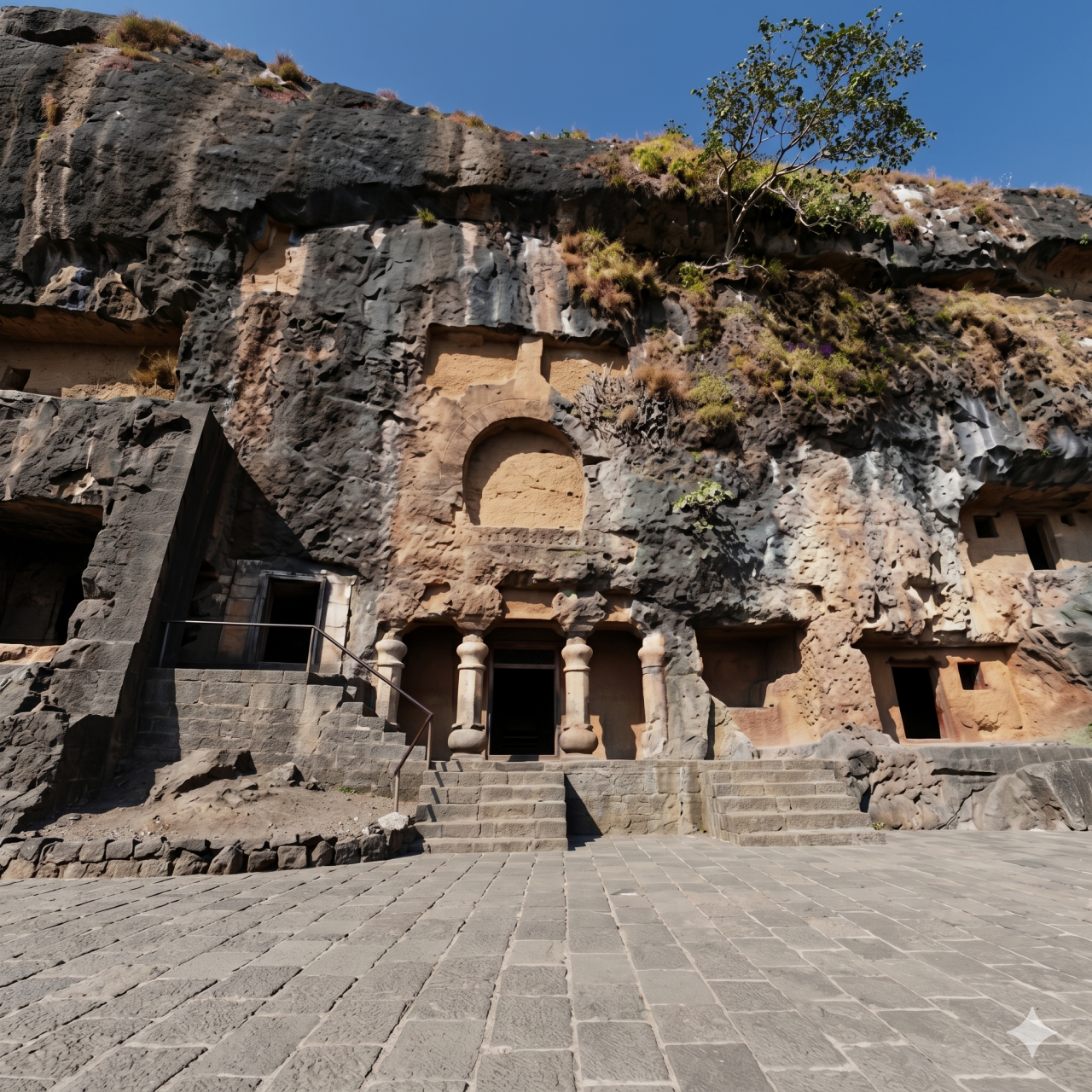
Girijatmaj Temple is a unique and sacred Hindu temple dedicated to Lord Ganesha, and is one of the revered Ashtavinayak temples of Maharashtra. It is especially significant as the only temple among the eight that is located inside a cave and is believed to be the birthplace of Lord Ganesha.
Chintamani Temple is a sacred Hindu temple dedicated to Lord Ganesha, and is one of the revered Ashtavinayak temples of Maharashtra. The deity here is worshipped as Chintamani, meaning “the remover of worries,” making it a popular destination for devotees seeking peace and relief from stress.
Mahaganapati Temple is a prominent Hindu temple dedicated to Lord Ganesha, and is one of the sacred Ashtavinayak temples of Maharashtra. The deity here is worshipped as Mahaganapati, representing the powerful and supreme form of Ganesha.
Vigneshwara Temple (also known as Vighnahar Ganapati Temple) is a sacred Hindu temple dedicated to Lord Ganesha, and is one of the revered Ashtavinayak temples of Maharashtra. The deity here is worshipped as Vighnahar, meaning “the remover of obstacles.”
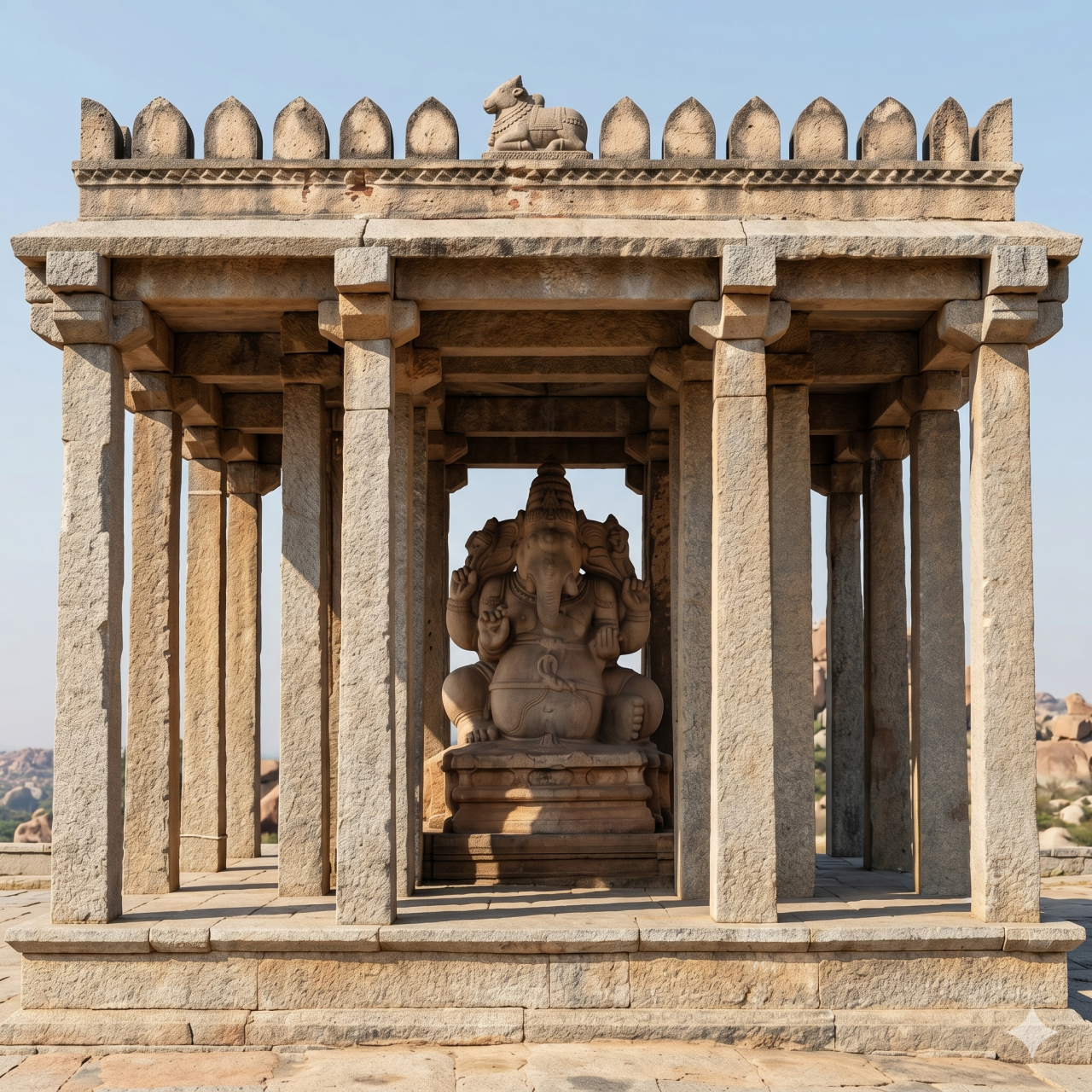
The Rock Ganesha Temple in Hampi is popularly known as the Sasivekalu Ganesha Temple, famous for its monolithic (single-stone) idol of Lord Ganesha carved directly from a rock.
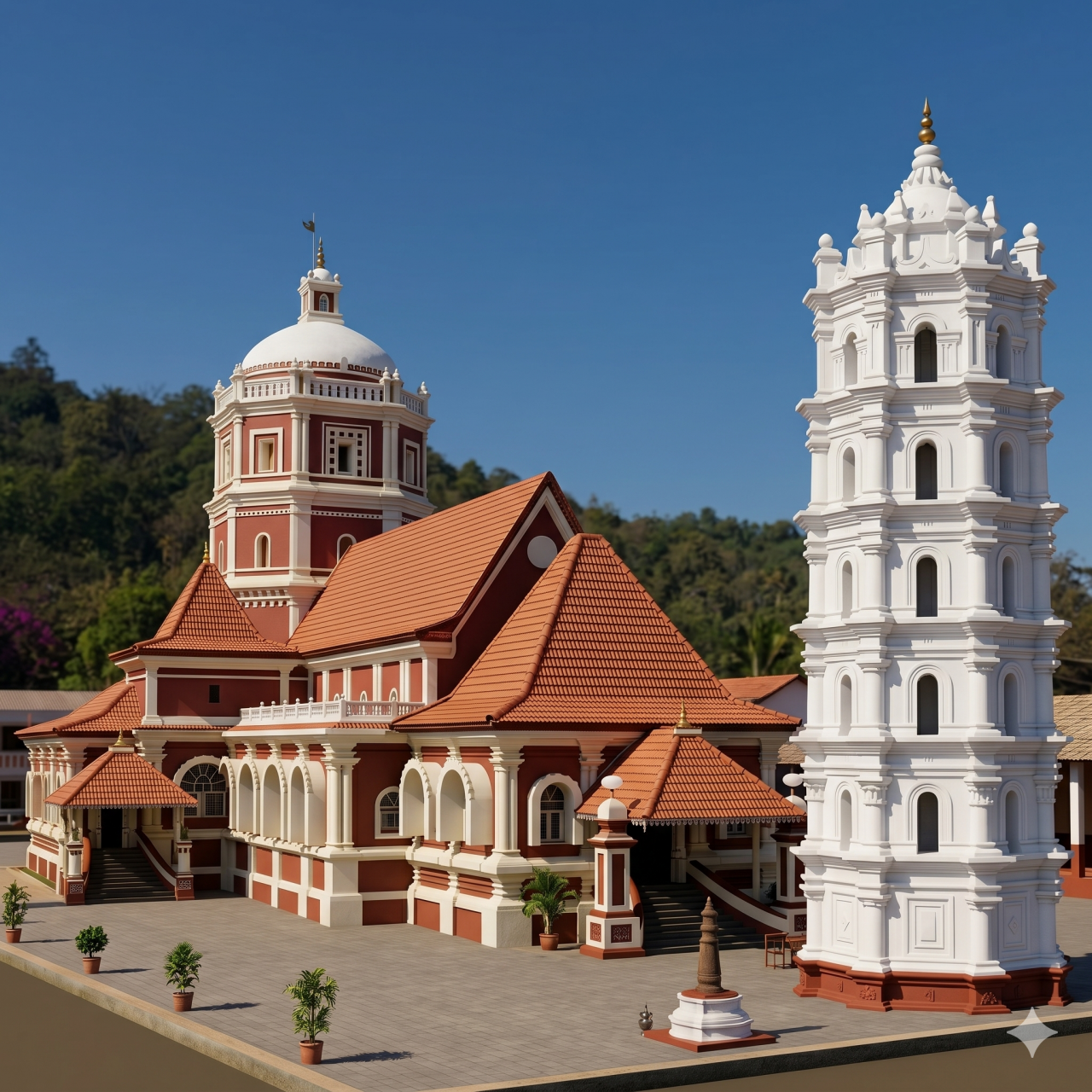
The Sree Vinayaka Temple in Goa is a revered Hindu temple dedicated to Lord Ganesha, known locally as Vinayaka. It serves as a key site for Ganesh worship in the region, blending traditional Goan temple architecture with deep cultural heritage.
The temple is located in Rajgir, in the Nalanda district.Rajgir itself is an ancient city, associated with the Magadha Kingdom, making the region historically significant. The temple is believed to have developed as part of the long-standing Hindu worship tradition in the area. Over time, it became a local place of devotion, especially for Ganesh worshippers visiting Rajgir.
The temple is located in Solapur, a major city in southwestern Maharashtra. The Ganapati temple is closely associated with the Siddheshwar Temple complex, which dates back to the 12th–13th century. The complex is linked to Shri Siddharameshwar, a prominent saint of the Lingayat tradition. The Ganapati shrine was likely established as part of the traditional Hindu temple layout, where Lord Ganesha is worshipped before other deities.
Madhur Ganapathy Temple, also known as Madanantheshwara Siddhivinayaka Temple, is a prominent Hindu temple located on the banks of the Madhuvahini River in Kasaragod, Kerala, India. It is dedicated to Lord Ganesha and revered as one of the most significant Ganapathy temples in South India.
Ucchi Pillayar Temple is a Hindu temple dedicated to Lord Ganesha, located atop the Rockfort hill in Tiruchirappalli, Tamil Nadu, India. The shrine is a prominent landmark overlooking the city and the Cauvery River, celebrated for its religious significance and panoramic views.
Kottarakkara Mahaganapathy Temple is a renowned Hindu shrine located in Kottarakkara, Kollam district, India. Dedicated primarily to Lord Ganesha (Mahaganapathy), it is one of Kerala’s most revered Ganapathy temples and an important center of pilgrimage and cultural tradition.