In Hindu philosophy, Lord Shiva is a part of the divine Trinity, known as the Trimurti, along with Lord Brahma and Lord Vishnu. While Lord Brahma represents creation and Lord Vishnu represents preservation, Lord Shiva represents transformation and dissolution. His role as the destroyer is not associated with negativity but with the removal of ignorance, suffering, and outdated energies to create space for new beginnings. Shiva teaches that change is a natural and essential part of existence, allowing life to continue its eternal journey.
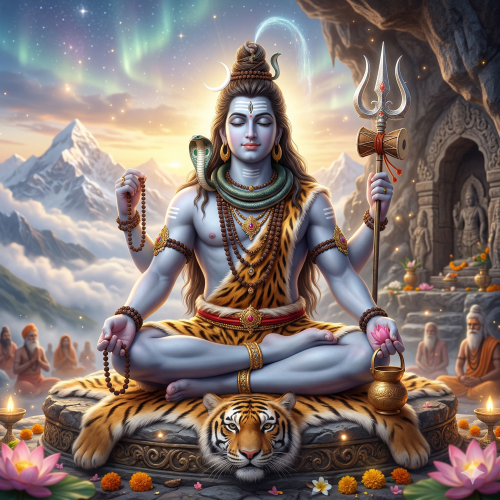
Lord Shiva is often depicted in deep meditation on Mount Kailash, the sacred abode believed to be his divine home. His peaceful meditative posture represents control over the mind, spiritual awakening, and the search for inner truth. As the first yogi, known as Adiyogi, Shiva is considered the source of yoga and meditation practices that guide individuals toward self-realization and higher consciousness.
The appearance of Lord Shiva carries deep spiritual symbolism, with every element representing a profound message. His matted hair, sacred river Ganga, crescent moon, third eye, serpent around his neck, and the ash covering his body all reflect different aspects of life, energy, and spiritual wisdom.
The third eye of Lord Shiva is one of the most powerful symbols associated with him. It represents wisdom, intuition, and the ability to see beyond physical reality. While ordinary eyes perceive the external world, the third eye symbolizes inner vision and spiritual awareness. According to Hindu beliefs, when Shiva opens his third eye, it destroys ignorance and illusion, reminding humanity that true knowledge comes from understanding the deeper reality of existence.
The crescent moon placed on Lord Shiva’s head symbolizes time, emotions, and the continuous cycles of life. By wearing the moon, Shiva represents mastery over time and the ability to remain calm and balanced despite constant changes. It teaches devotees the importance of controlling thoughts, maintaining emotional stability, and developing inner peace.
One of the most sacred symbols connected with Lord Shiva is the holy river Ganga flowing from his matted hair. According to ancient traditions, when the powerful river descended from heaven, Lord Shiva controlled its force by allowing it to flow gently through his hair before reaching Earth. This symbolizes his compassion, strength, and role as a protector of life. The river Ganga represents purity, knowledge, and spiritual awakening.
The serpent around Lord Shiva’s neck represents fearlessness, power, and control over desires. Snakes are often associated with danger and fear, but Shiva wearing a serpent shows his mastery over fear, death, and negative forces. It also represents spiritual energy and the awakening of inner power through meditation and discipline.
The sacred ash covering Lord Shiva’s body symbolizes the temporary nature of the physical world. It reminds devotees that material possessions, beauty, and worldly achievements are not permanent. Shiva’s simple appearance teaches the importance of detachment, humility, and focusing on spiritual growth rather than temporary pleasures.
The Shiva Lingam is one of the most important symbols of Lord Shiva worship. It represents the infinite nature of divine energy and the formless aspect of Shiva. Unlike physical representations of deities, the Shiva Lingam symbolizes the universal consciousness that exists everywhere. Devotees worship the Shiva Lingam to seek peace, prosperity, protection, and spiritual development.
The worship of the Shiva Lingam includes offerings such as water, milk, flowers, and prayers. These acts of devotion represent purity, surrender, and a deep connection between the devotee and the divine. The Shiva Lingam reminds people that the supreme energy of the universe cannot be limited to a single form.
Lord Shiva is also worshipped in the form of Nataraja, the cosmic dancer. In this form, Shiva performs the divine Tandava dance, which represents the eternal rhythm of creation, preservation, and destruction. Every movement of this cosmic dance reflects the continuous flow of energy within the universe.
Lord Shiva’s connection with yoga and meditation continues to inspire spiritual seekers around the world. As Adiyogi, Shiva represents the path of self-discovery and enlightenment. His teachings encourage individuals to control their minds, overcome negative emotions, and discover the divine presence within themselves.
The powerful mantra “Om Namah Shivaya” is one of the most sacred chants dedicated to Lord Shiva. It means “I bow to Shiva” and represents surrender to the supreme consciousness. Devotees believe that chanting this mantra helps calm the mind, remove negativity, increase spiritual awareness, and create a connection with divine energy.
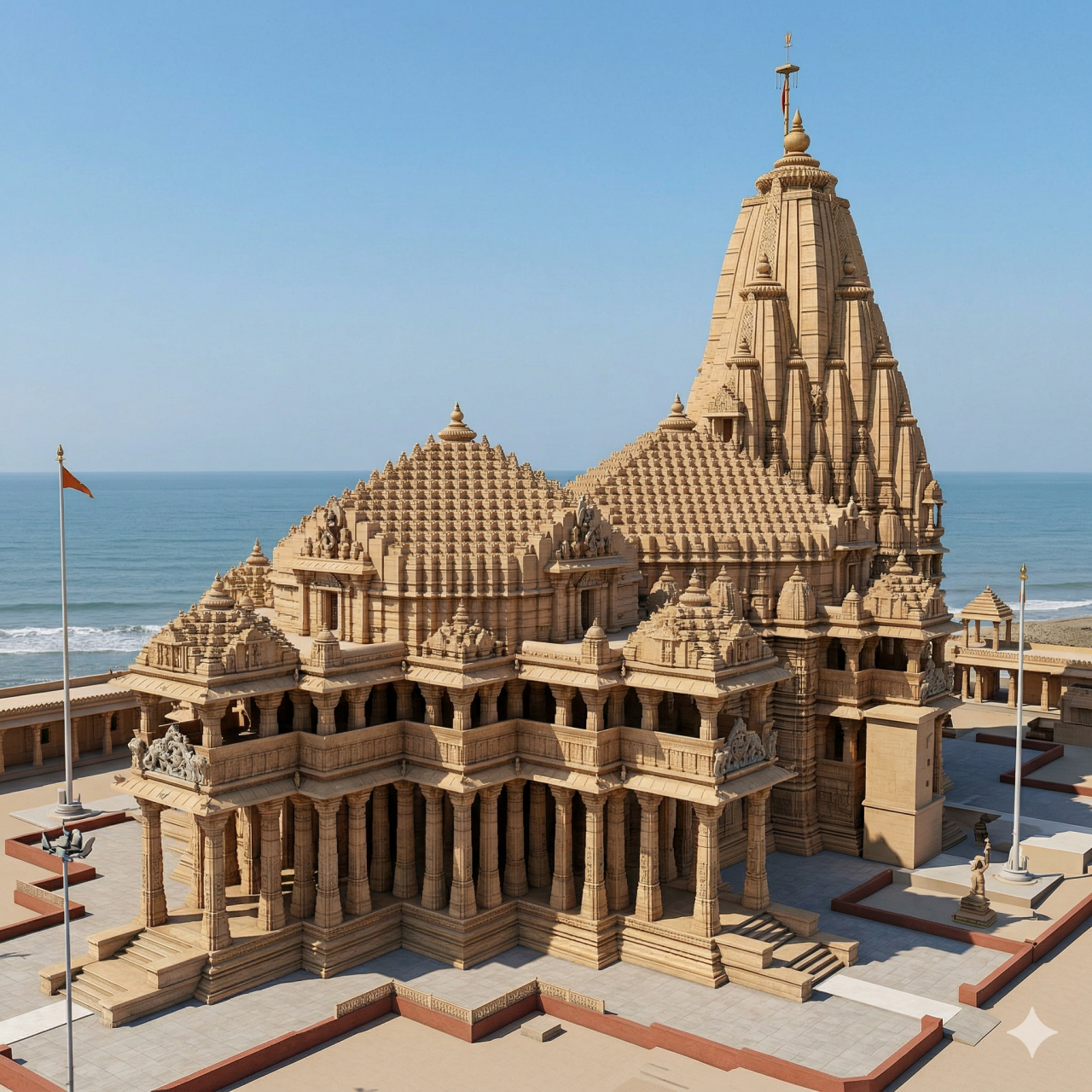
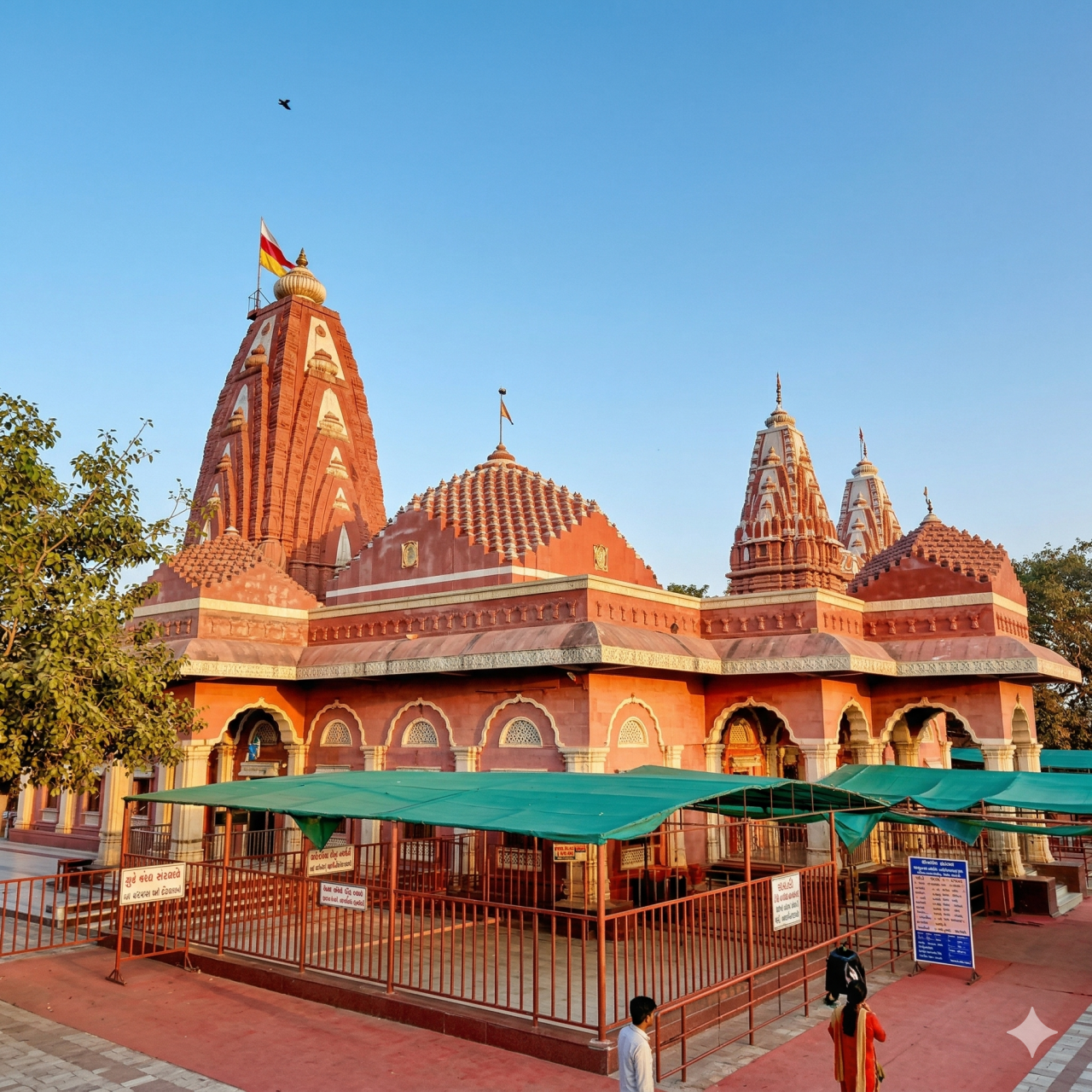
The Somnath Temple is a revered Hindu pilgrimage site located in Gir Somnath, on India’s western coast. Dedicated to Lord Shiva, it is considered the first of the twelve Jyotirlingas—shrines believed to house the most sacred manifestations of Shiva. The temple symbolizes resilience and faith, having been repeatedly rebuilt after numerous historical invasions.
The Mallikarjuna Temple in Srisailam, Andhra Pradesh, India, is a revered Hindu pilgrimage site dedicated to Lord Shiva as Mallikarjuna and Goddess Parvati as Bhramaramba. It is one of the twelve Jyotirlingas and among the eighteen Shakti Peethas, making it uniquely sacred to both deities simultaneously. The temple stands amid the Nallamala Hills on the banks of the Krishna River, blending spiritual importance, architectural beauty, and natural serenity.
Mahakaleshwar Temple, also known as the Mahakaleshwar Jyotirlinga, is a revered Hindu shrine dedicated to Lord Shiva, located in Ujjain, Madhya Pradesh, India. It is one of the twelve Jyotirlingas—sacred manifestations of Shiva—and the only one facing south, symbolizing his dominion over time and death.
The Omkareshwar Temple, located on Mandhata Island in the Khandwa District of Madhya Pradesh, India, is one of the twelve sacred Jyotirlingas dedicated to Lord Shiva. Nestled in the Narmada River, the island’s natural shape resembles the sacred Hindu symbol “Om,” enhancing its spiritual resonance. As both a pilgrimage site and architectural treasure, it attracts thousands of devotees and tourists each year for its religious aura, scenic river setting, and historical depth.
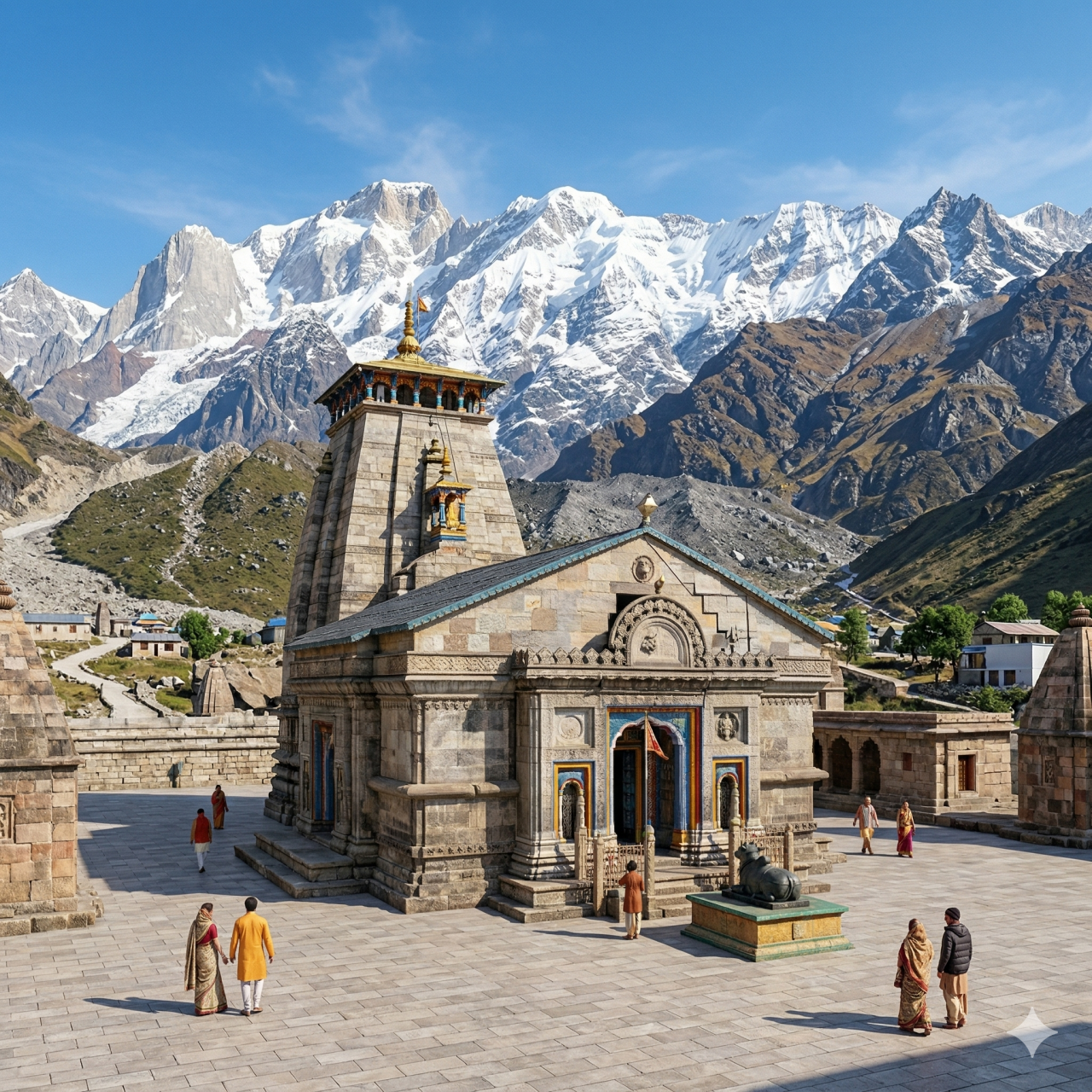
Kedarnath Temple is a revered Hindu shrine dedicated to Lord Shiva, located in the Garhwal Himalayas of Rudraprayag district, Uttarakhand, India. Perched at about 3,583 m (11,755 ft) near the head of the Mandakini River, it is one of the twelve Jyotirlingas and a major stop on the Char Dham Yatra. Its remote Himalayan setting and spiritual heritage make it one of India’s most significant pilgrimage destinations.
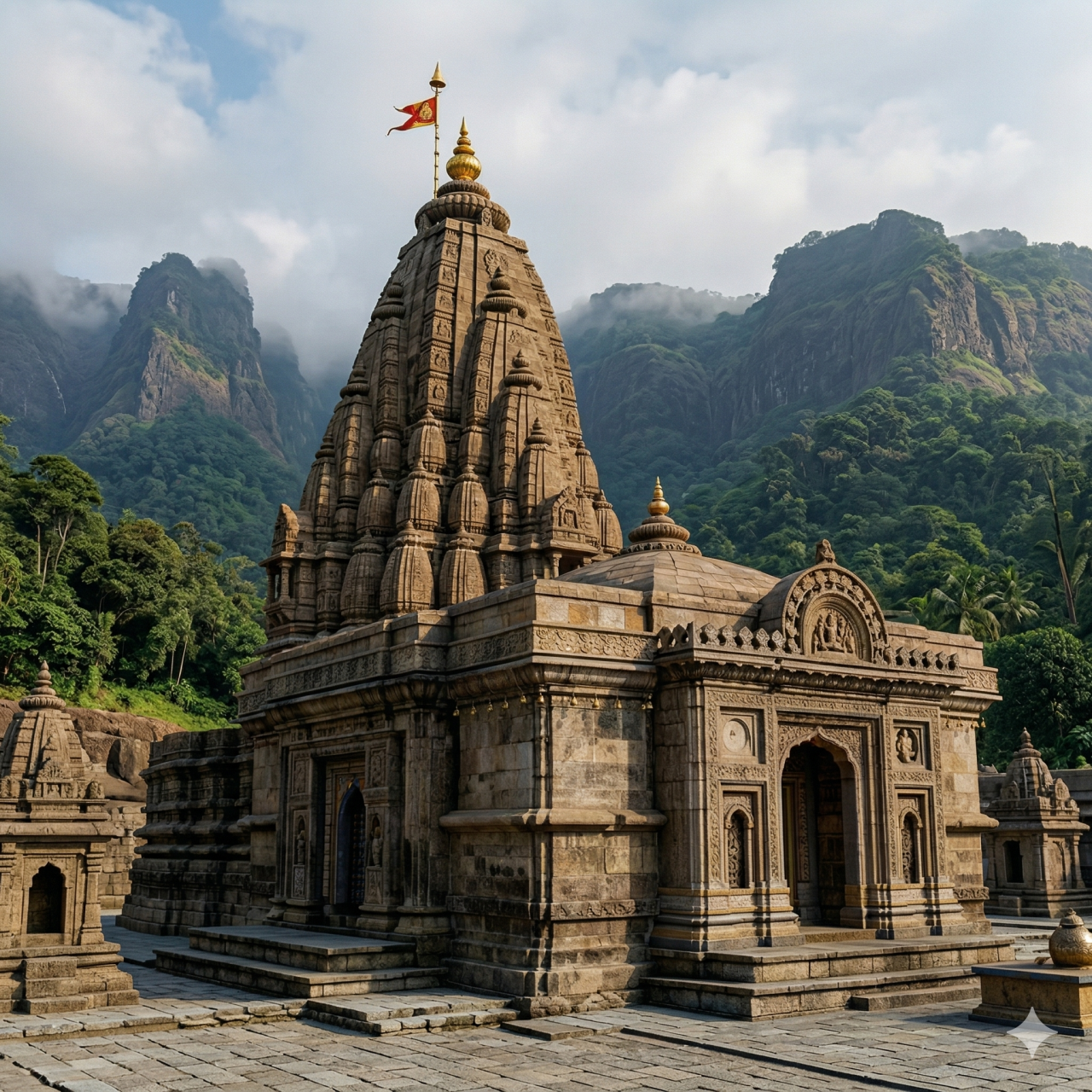
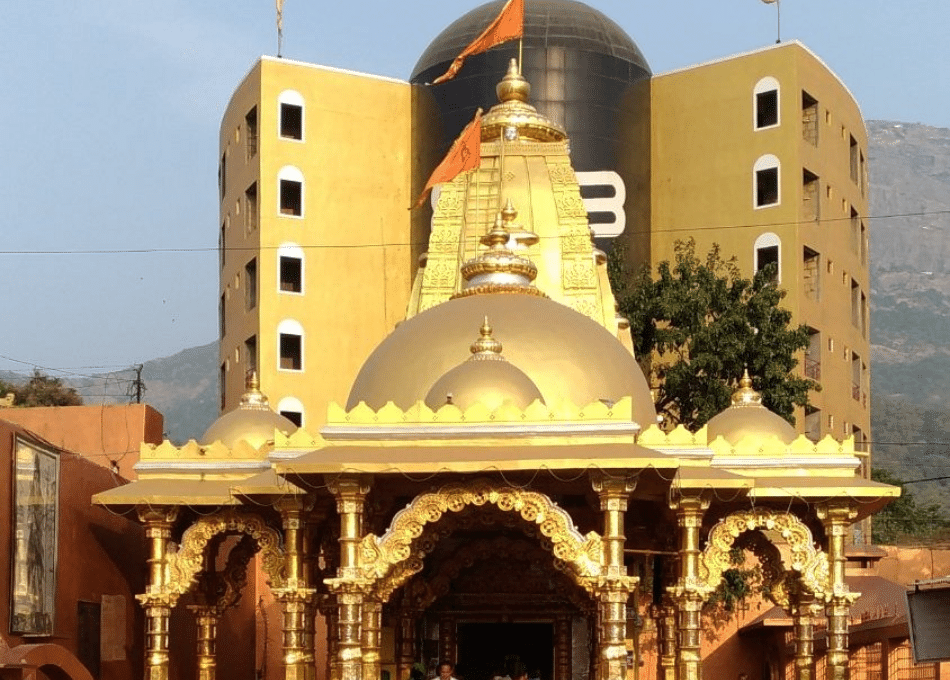
Bhimashankar Temple is an ancient Hindu shrine dedicated to Lord Shiva, located in the Sahyadri hills near Pune, Maharashtra, India. It is revered as one of the twelve Jyotirlingas, making it an important pilgrimage site for devotees across India.
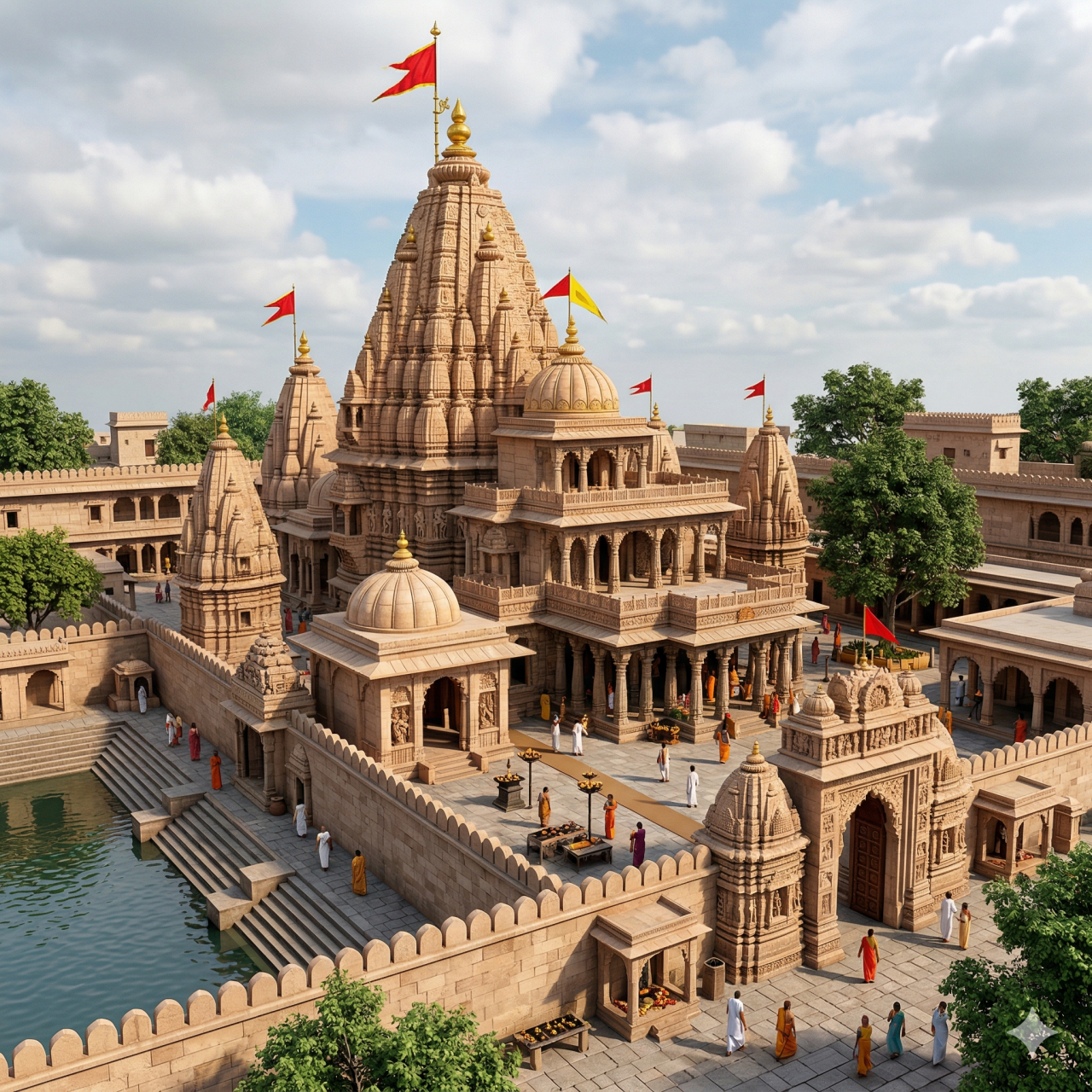
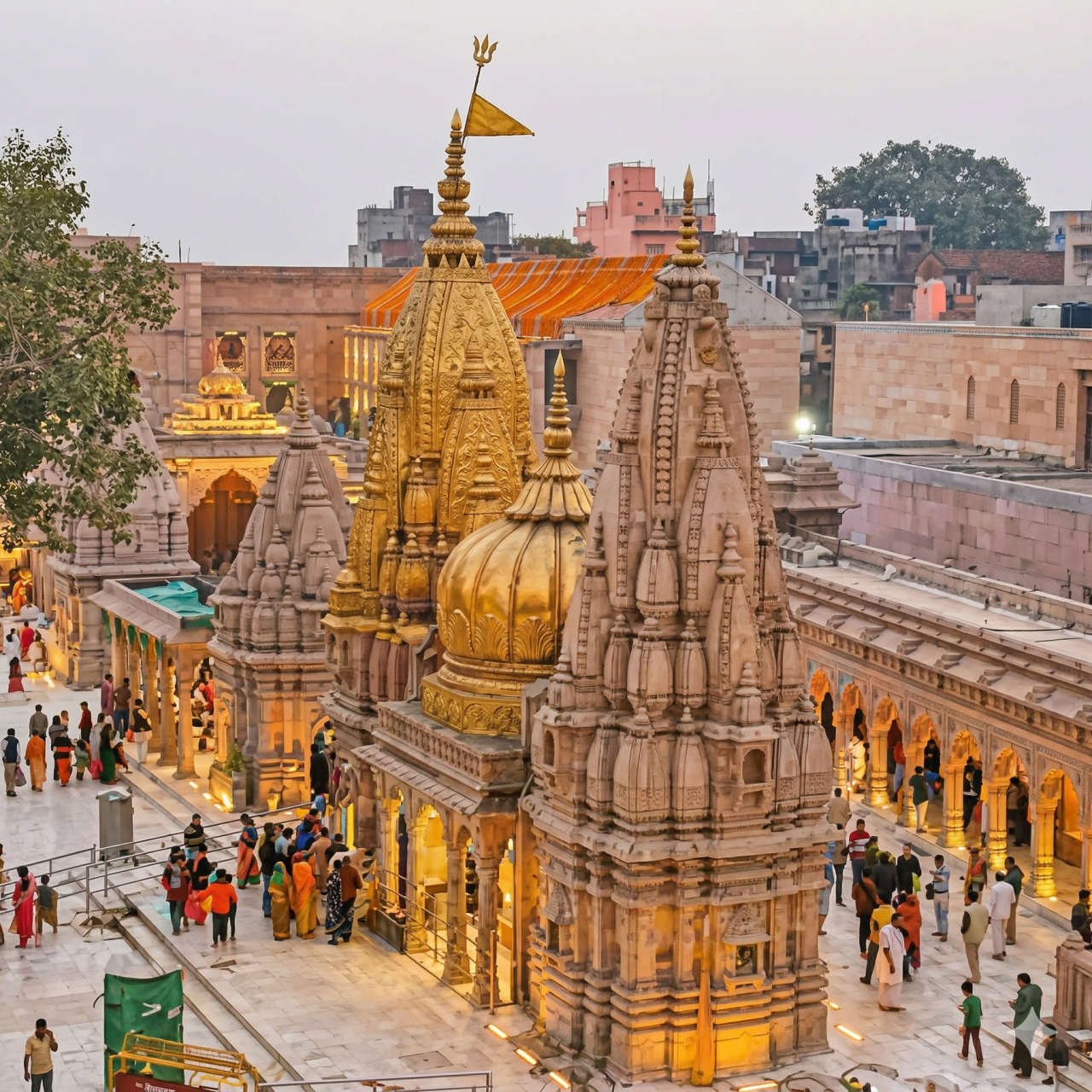
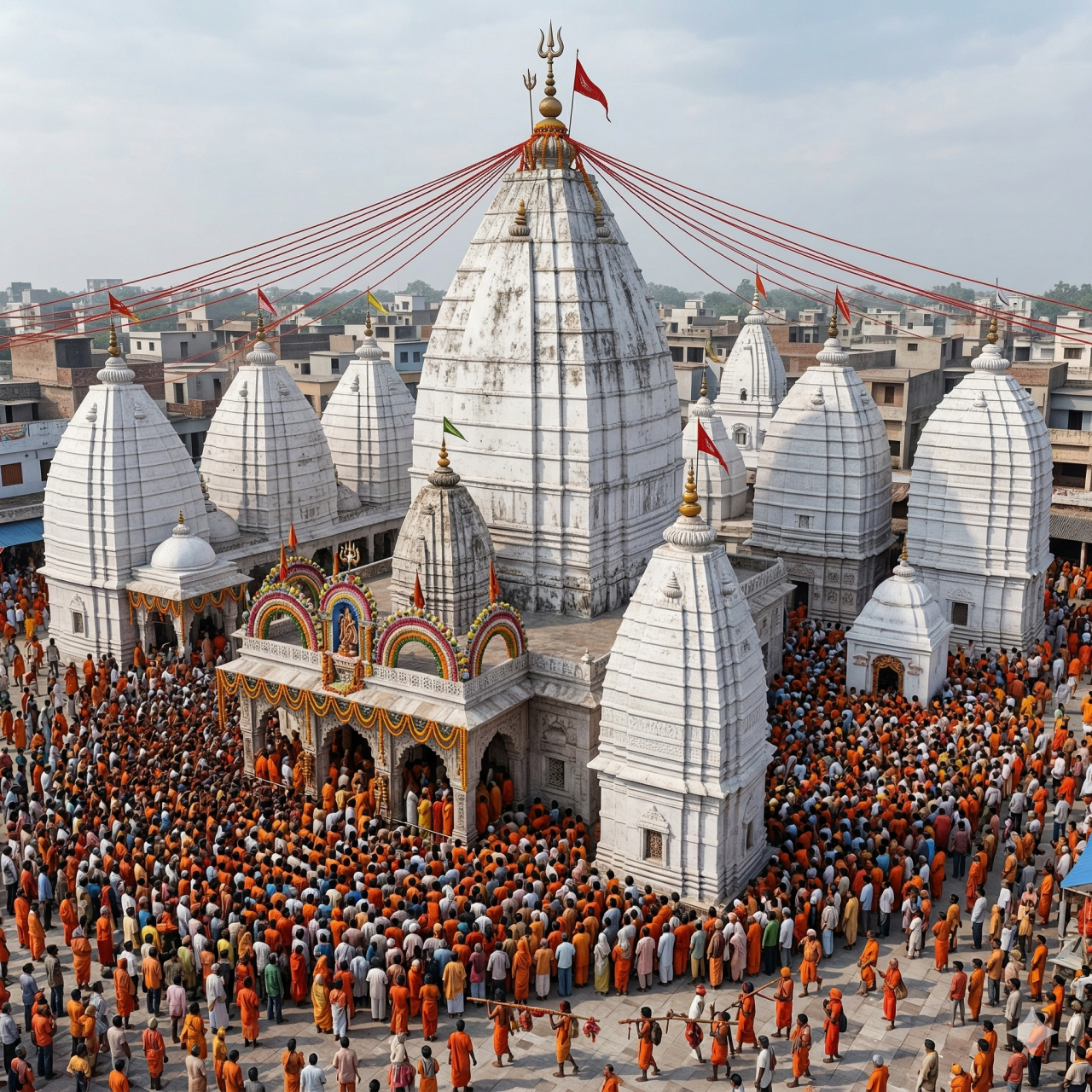
The Kashi Vishwanath Temple in Varanasi, Uttar Pradesh, is one of Hinduism’s holiest shrines dedicated to Lord Shiva as Vishwanath, “Lord of the Universe.” Standing on the western bank of the Ganga River, it is revered as one of the twelve sacred Jyotirlingas and a focal point of pilgrimage and spiritual heritage in India.
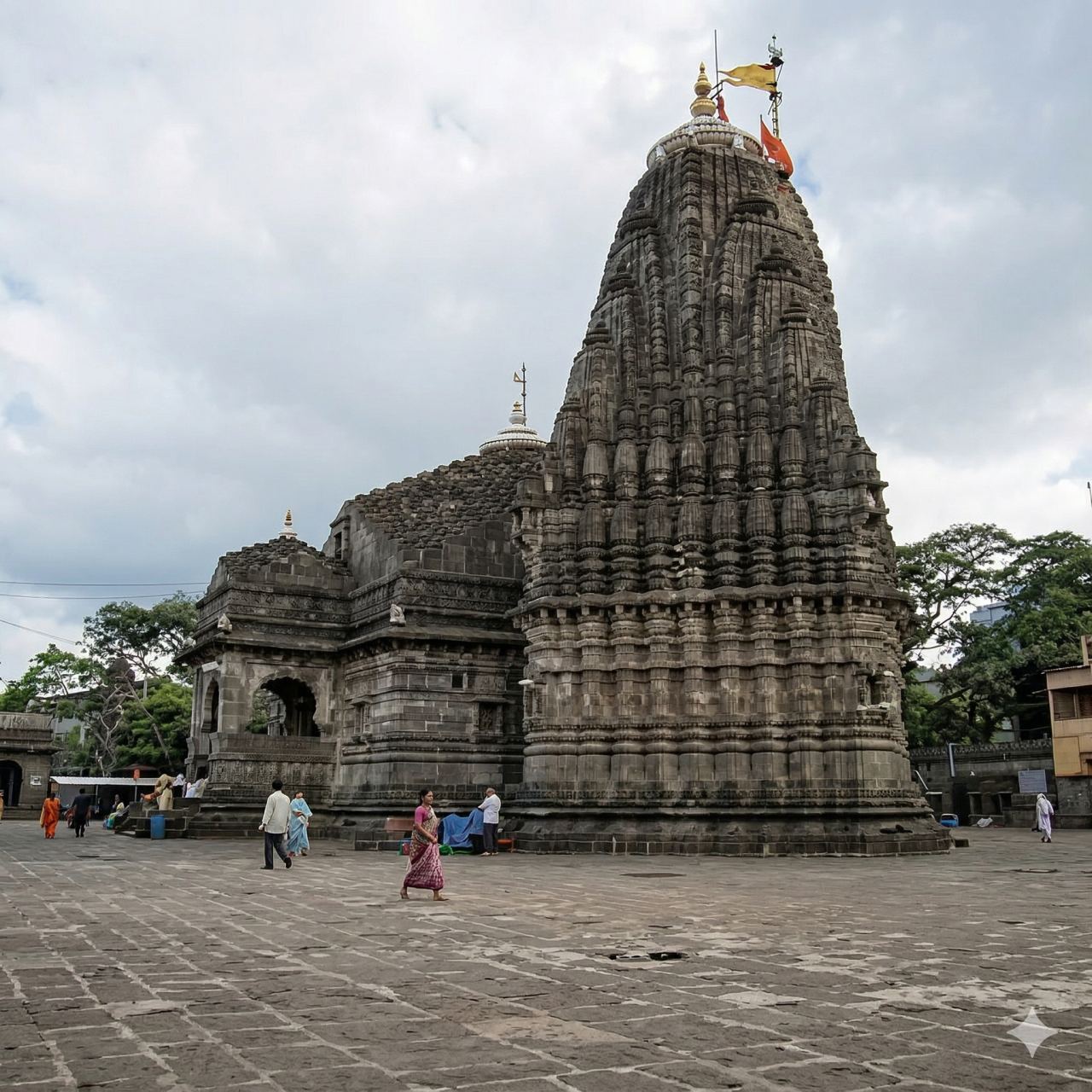
Trimbakeshwar Temple is a revered Hindu pilgrimage site located in the town of Trimbak near Nashik, Maharashtra, India. Dedicated to Lord Shiva, it is one of the twelve sacred Jyotirlingas in India, believed to house the divine manifestation of Shiva’s infinite light. The temple is also the source of the holy Godavari River, adding to its spiritual significance.
Vaidyanath Temple, also known as Baidyanath Dham, is a prominent Hindu pilgrimage site located in Deoghar, Jharkhand, India. It is one of the twelve sacred Jyotirlingas dedicated to Lord Shiva, attracting millions of devotees annually, especially during the Shravani Mela.
Nageshwar Temple, also known as Nageshwar Jyotirlinga Temple, is a revered Hindu shrine dedicated to Lord Shiva. It is one of the twelve sacred Jyotirlingas mentioned in ancient Hindu scriptures and holds major religious importance for Shaivites. The temple lies along the Dwarka–Bet Dwarka coast in western India.
Ramanathaswamy Temple is a prominent Hindu pilgrimage site located on Rameswaram Island, Tamil Nadu, India. Dedicated to the deity Lord Shiva, it is one of the twelve Jyotirlinga shrines and a major component of the sacred Char Dham pilgrimage. The temple is renowned for its magnificent architecture, sacred wells, and mythological association with Lord Rama.
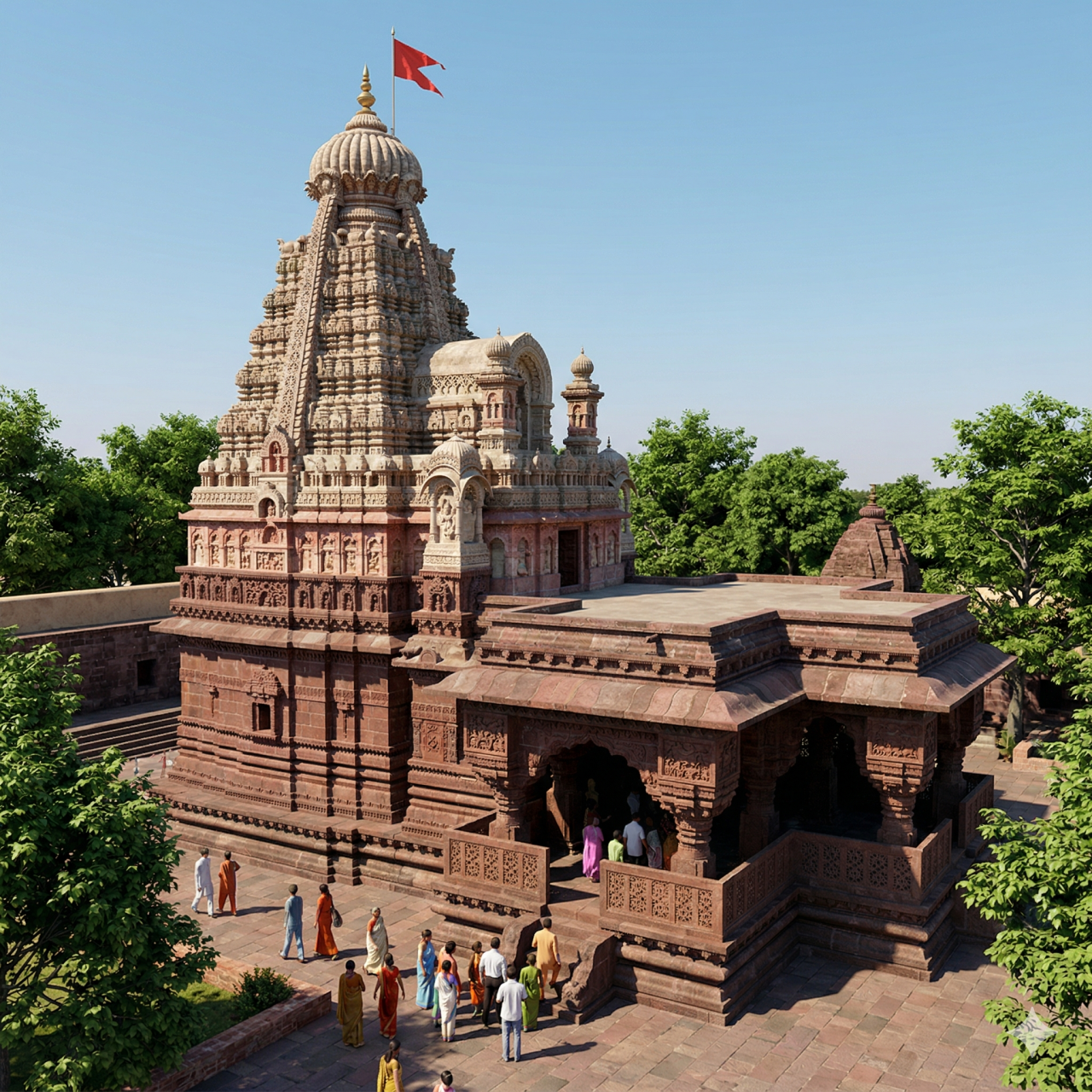
The Grishneshwar Temple, located near Aurangabad, is one of the 12 Jyotirlingas, revered as the holiest abodes of Lord Shiva. Built in the traditional South Indian architectural style, it holds deep spiritual significance and attracts thousands of devotees annually.
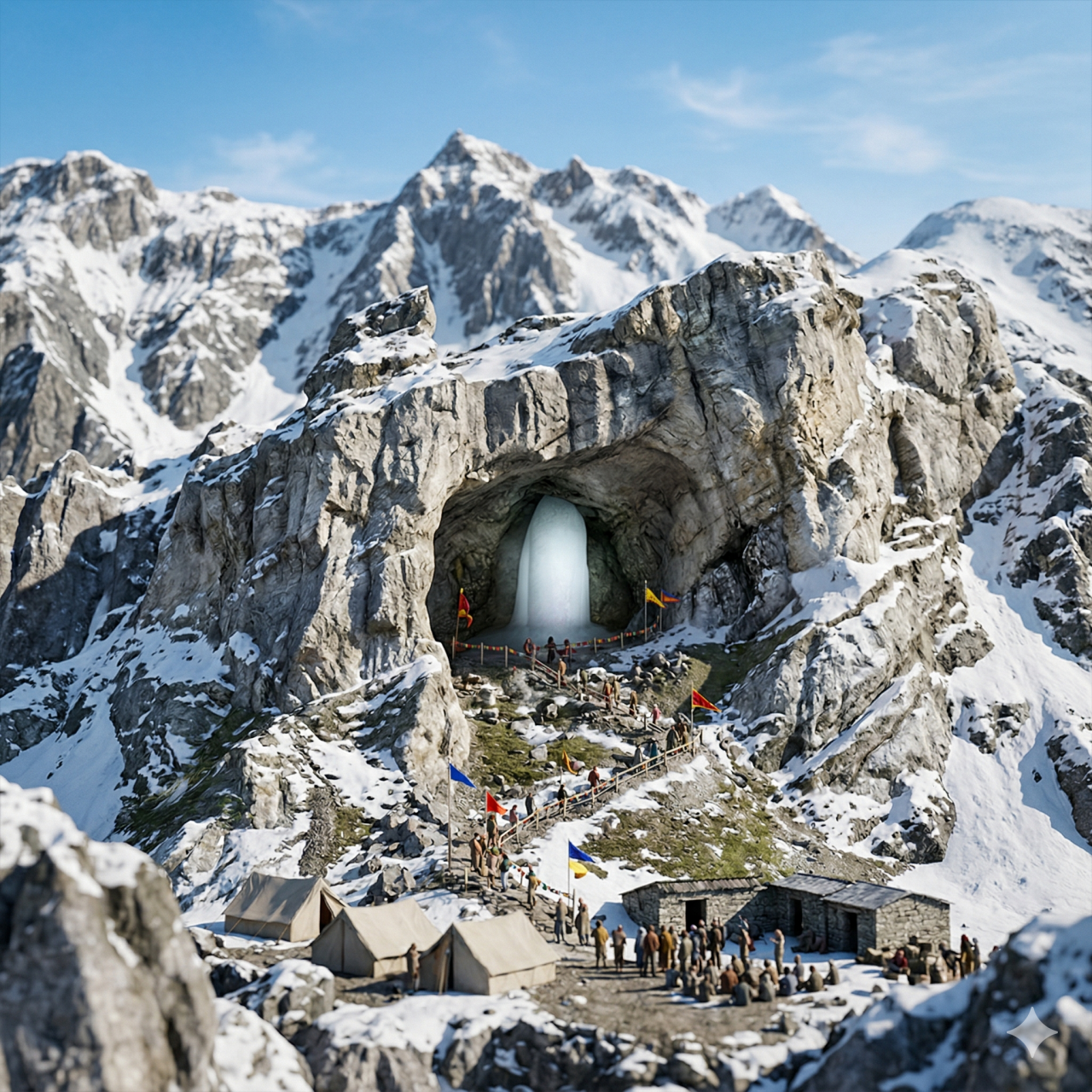
The Amarnath Cave Temple is a revered Hindu shrine located in the Anantnag district of Jammu and Kashmir, India. Dedicated to Lord Shiva, it is renowned for the naturally occurring ice stalagmite that forms inside the cave, symbolizing the Shiva Linga, and draws millions of pilgrims annually during the Amarnath Yatra.
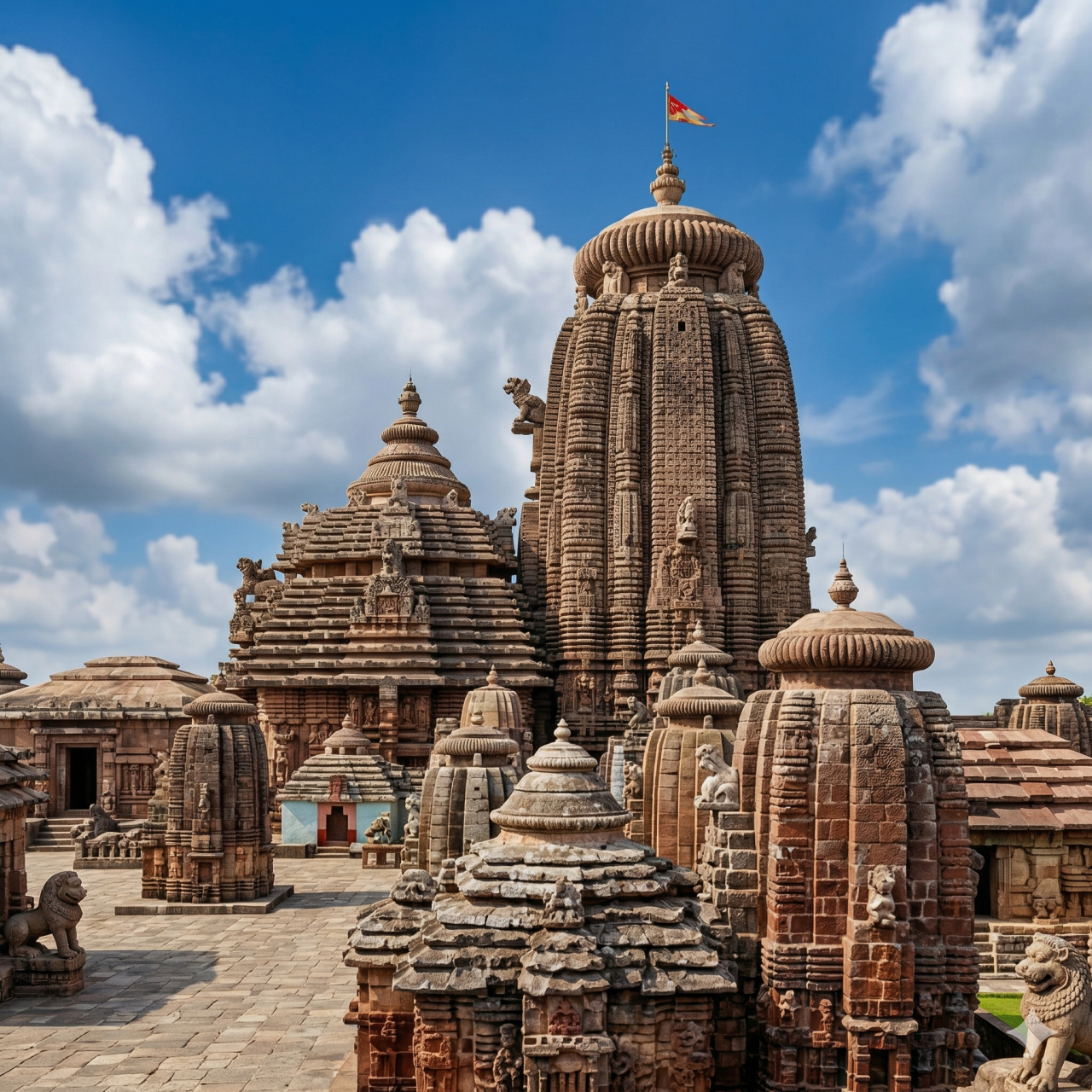
Lingaraj Temple is a monumental Hindu temple dedicated to Lord Shiva, located in Bhubaneswar, Odisha, India. It is one of the oldest and most important temples in the state, epitomizing the mature Kalinga architectural style and serving as a major center of Shaivite worship.
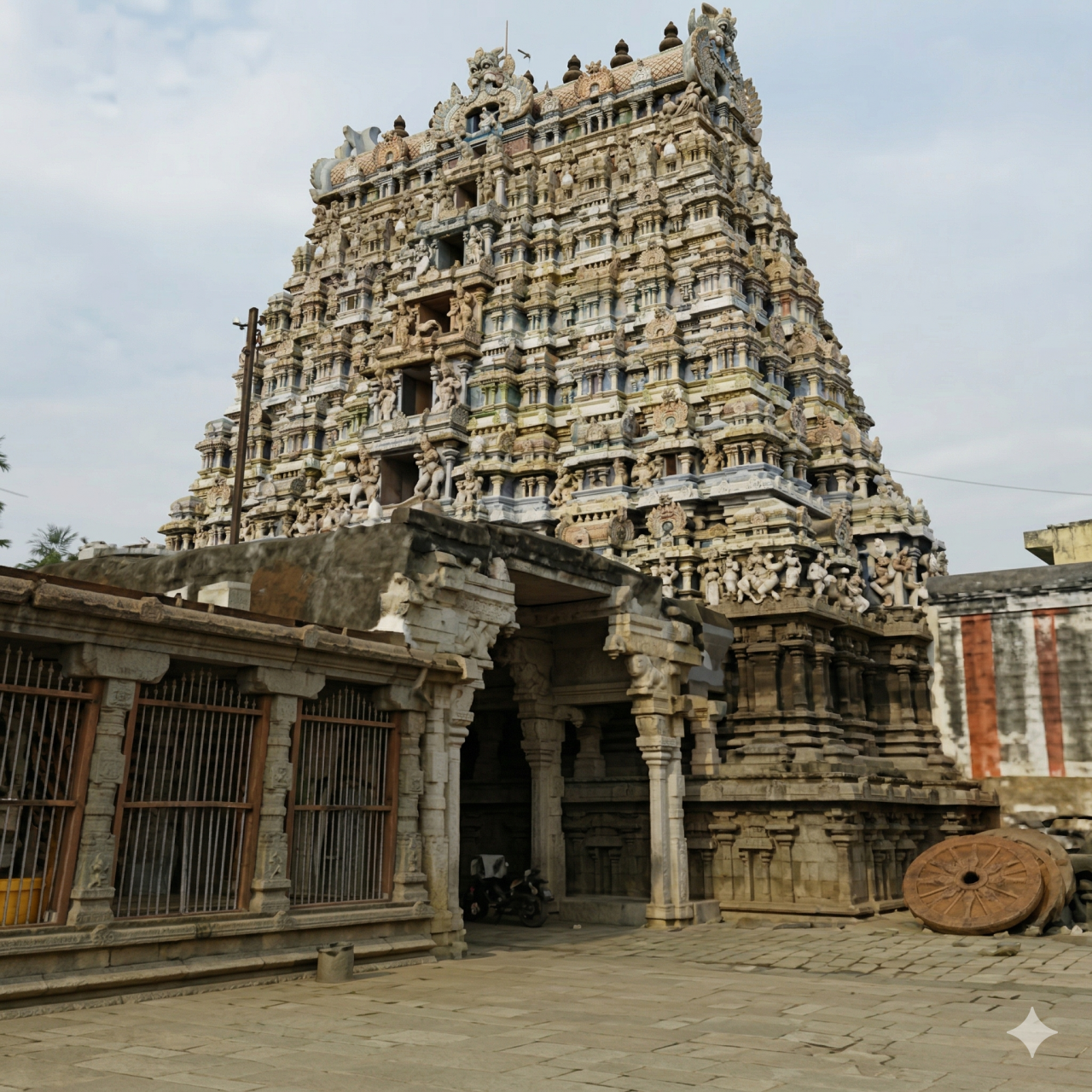
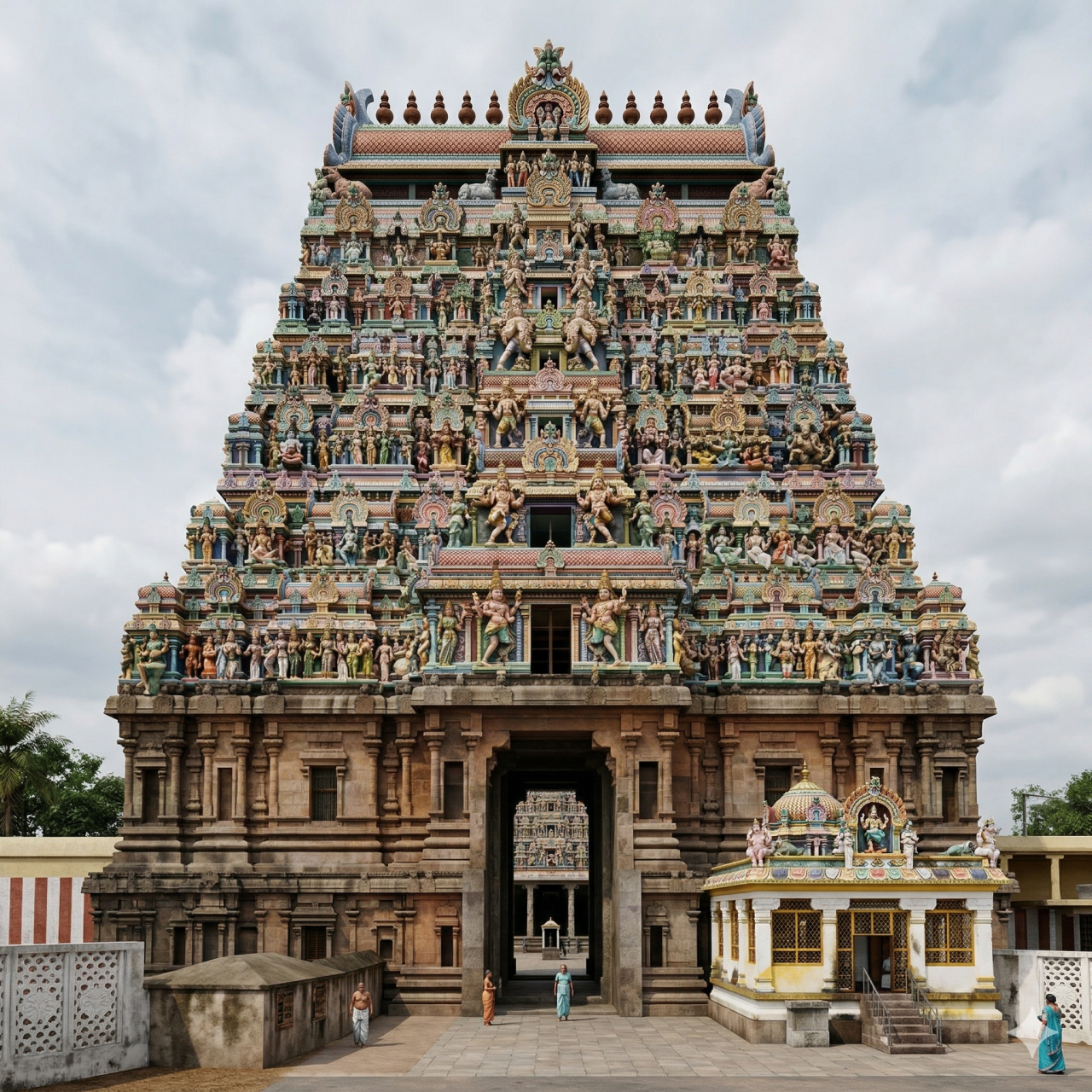
The Chidambaram Nataraja Temple, also called Thillai Nataraja Temple, is a major Hindu temple in Chidambaram, Tamil Nadu, India, dedicated to Lord Shiva as Nataraja—the Cosmic Dancer. Revered as one of South India’s oldest and most artistically significant shrines, it symbolizes the element of space among the Pancha Bhoota Sthalams and serves as a spiritual and cultural center for Shaivism.
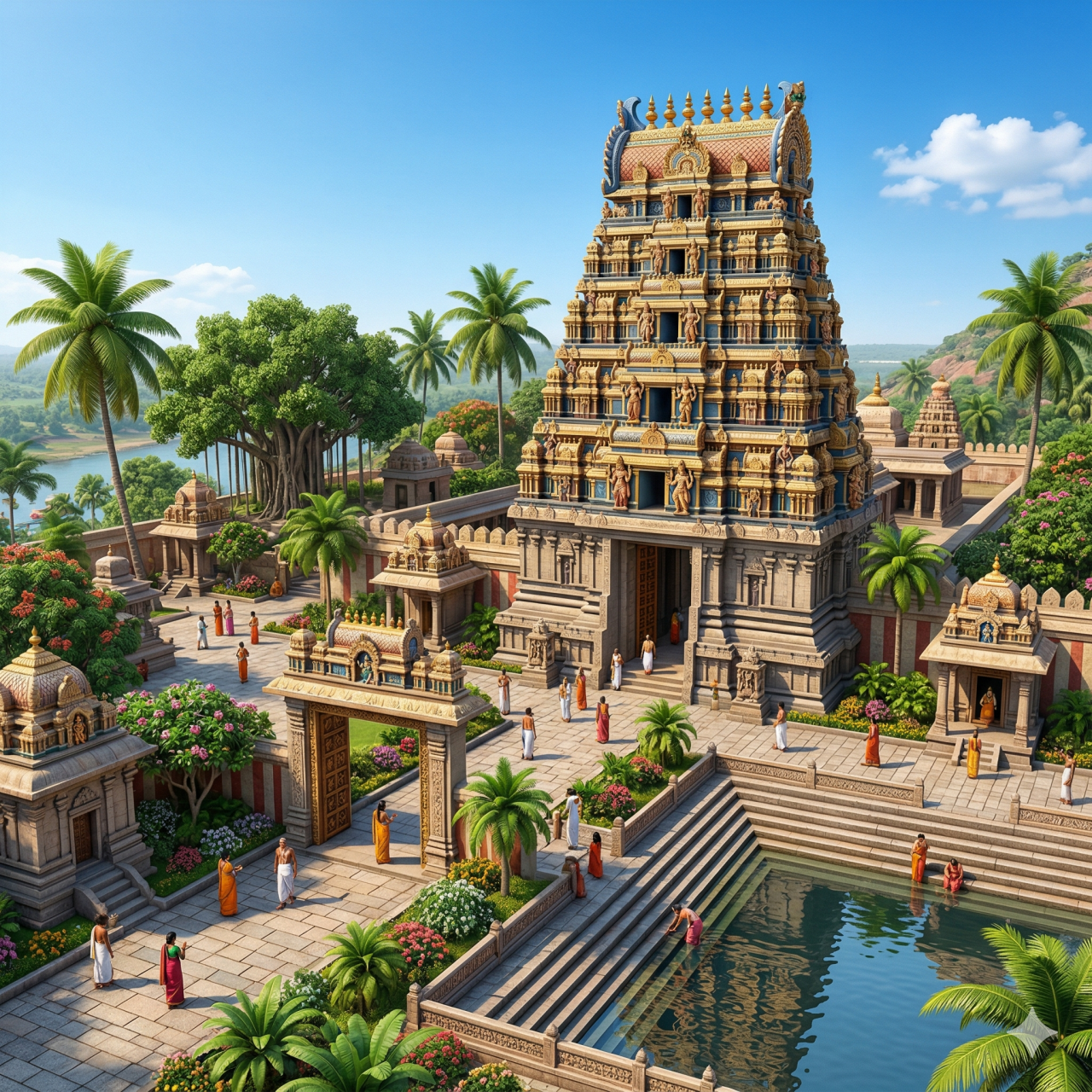
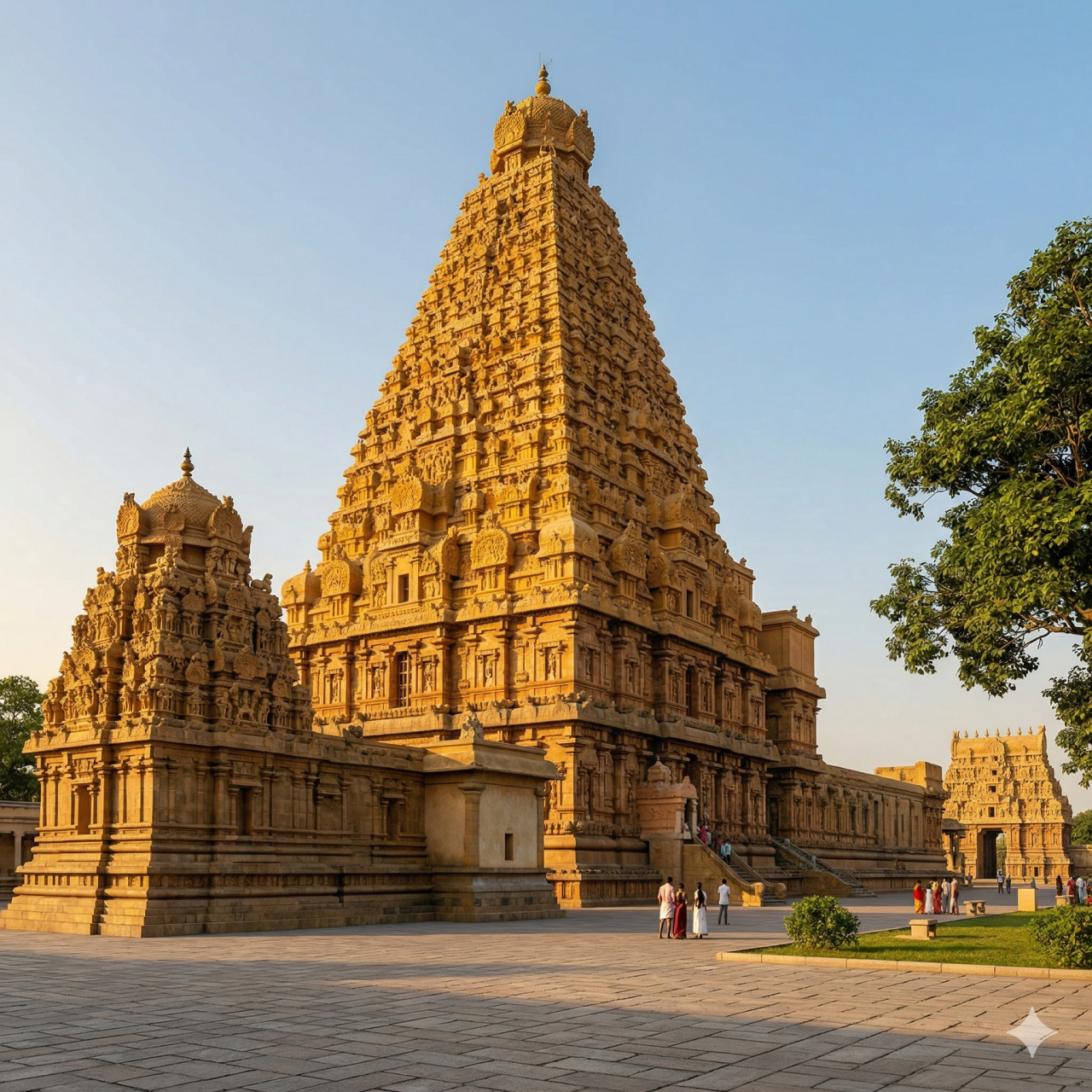
Brihadeeswarar Temple is a 11th-century Hindu temple located in Thanjavur, dedicated to Lord Shiva. Built by the Rajaraja Chola I, it represents a pinnacle of Dravidian architecture and is one of India’s largest temple complexes. The site is renowned for its monumental scale, sculptural mastery, and continuous religious use for over a millennium.
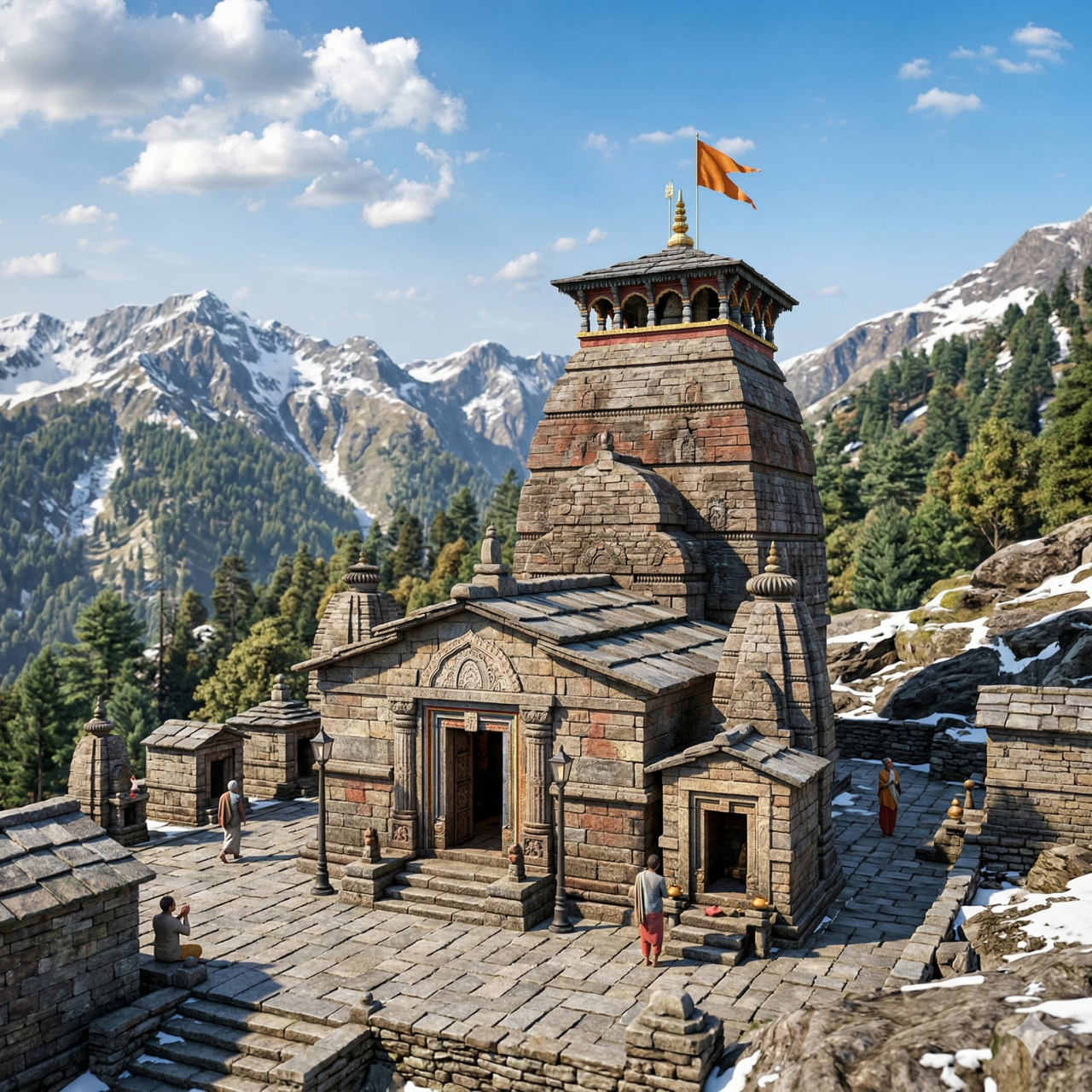
Tungnath Temple is a revered Hindu shrine dedicated to Lord Shiva, located in the Rudraprayag district of Uttarakhand, India. Situated in the Garhwal Himalayas at about 3,680 meters (12,073 feet), it is recognized as the highest Shiva temple in the world and a major stop on the Panch Kedar pilgrimage circuit.
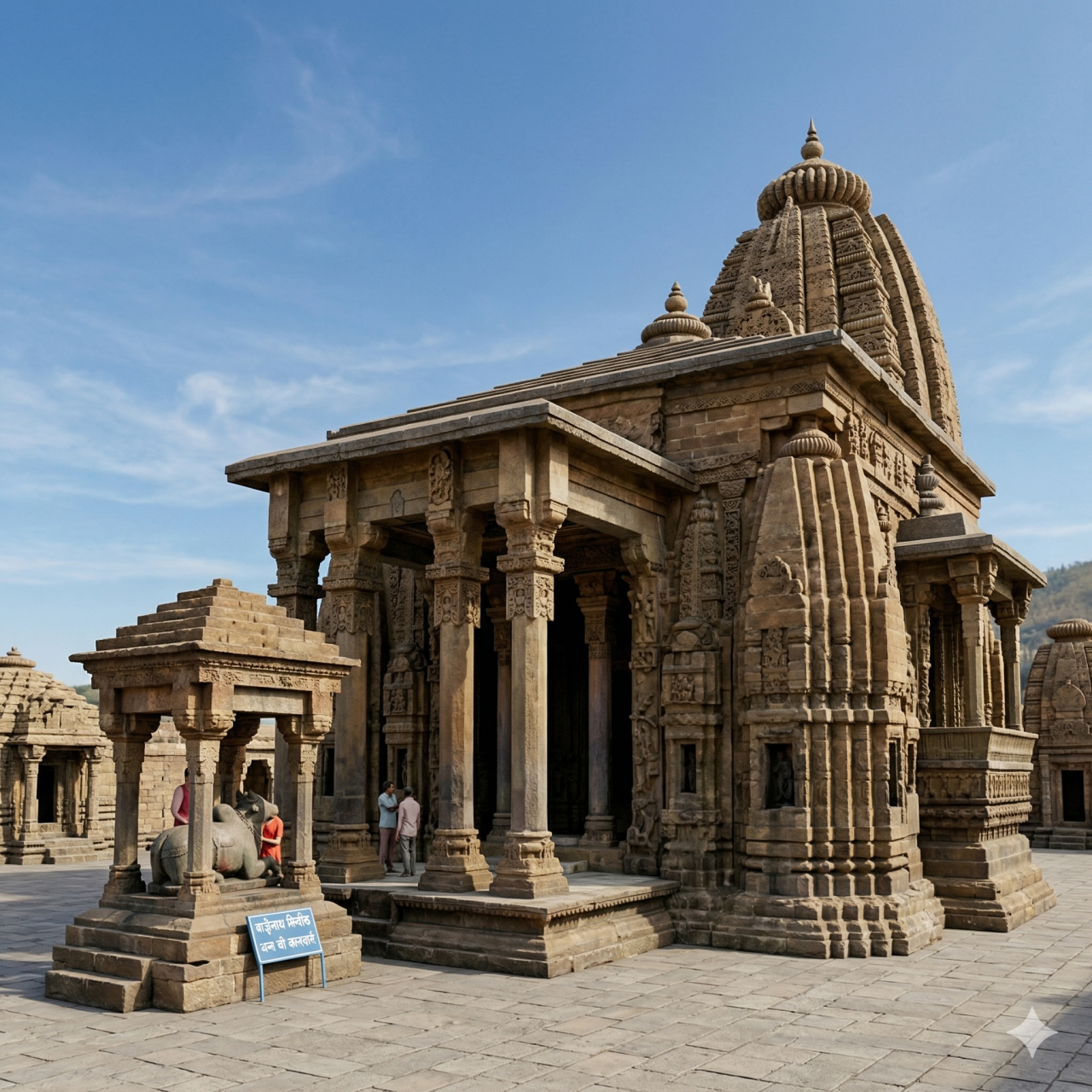
Baijnath Temple is a 13th-century Hindu shrine dedicated to Lord Shiva, located in Baijnath town of Kangra district, Himachal Pradesh, India. Revered as one of the most significant Shiva temples in the region, it exemplifies the Nagara style of North Indian temple architecture and remains an active center of worship and pilgrimage.
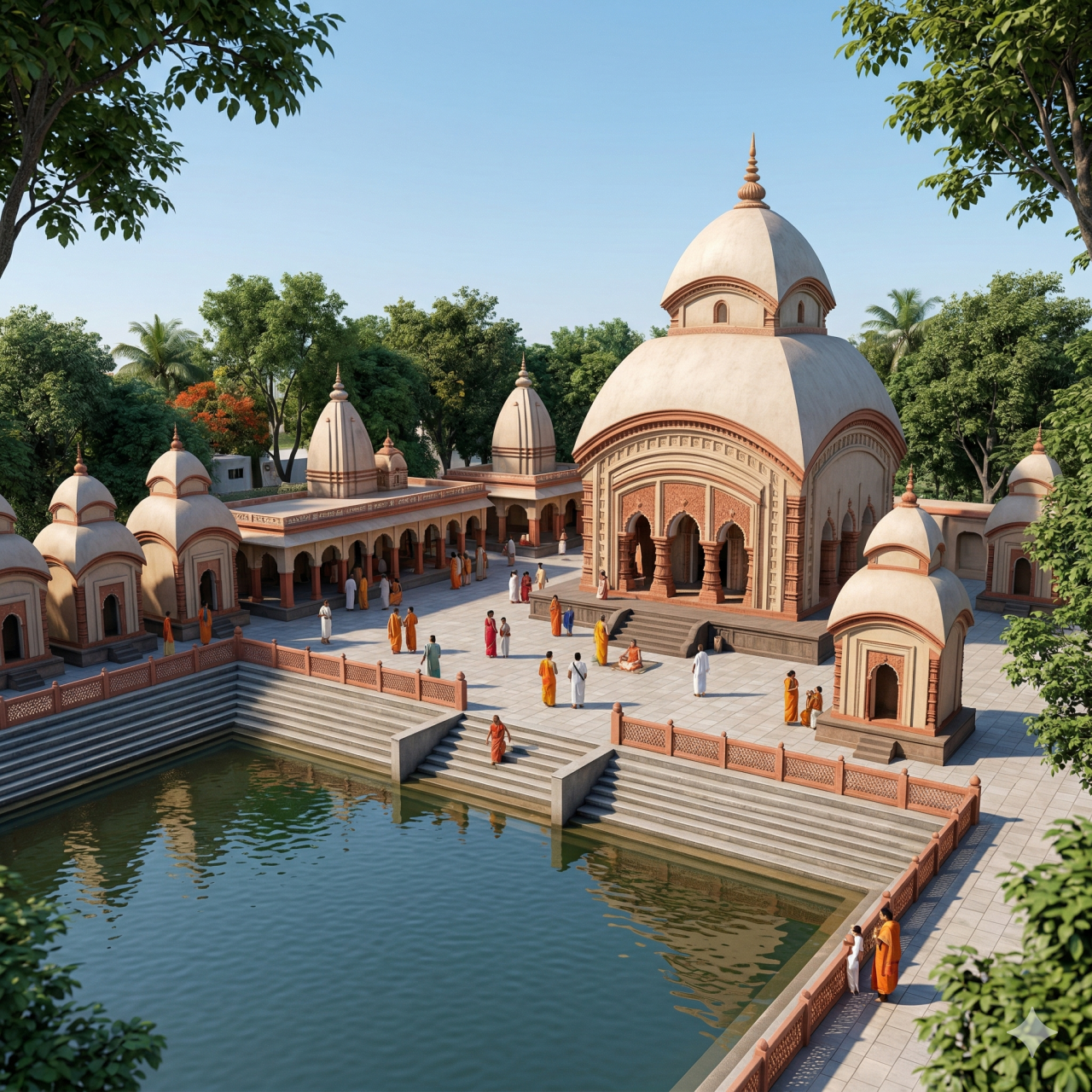
Tarakeswar Temple is a major Hindu pilgrimage site located in the town of Tarakeswar in Hooghly district, India. Dedicated to Lord Shiva as Baba Taraknath, it is one of eastern India’s most visited Shaivite shrines, attracting millions of devotees annually, particularly during the holy month of Shravan (July–August).
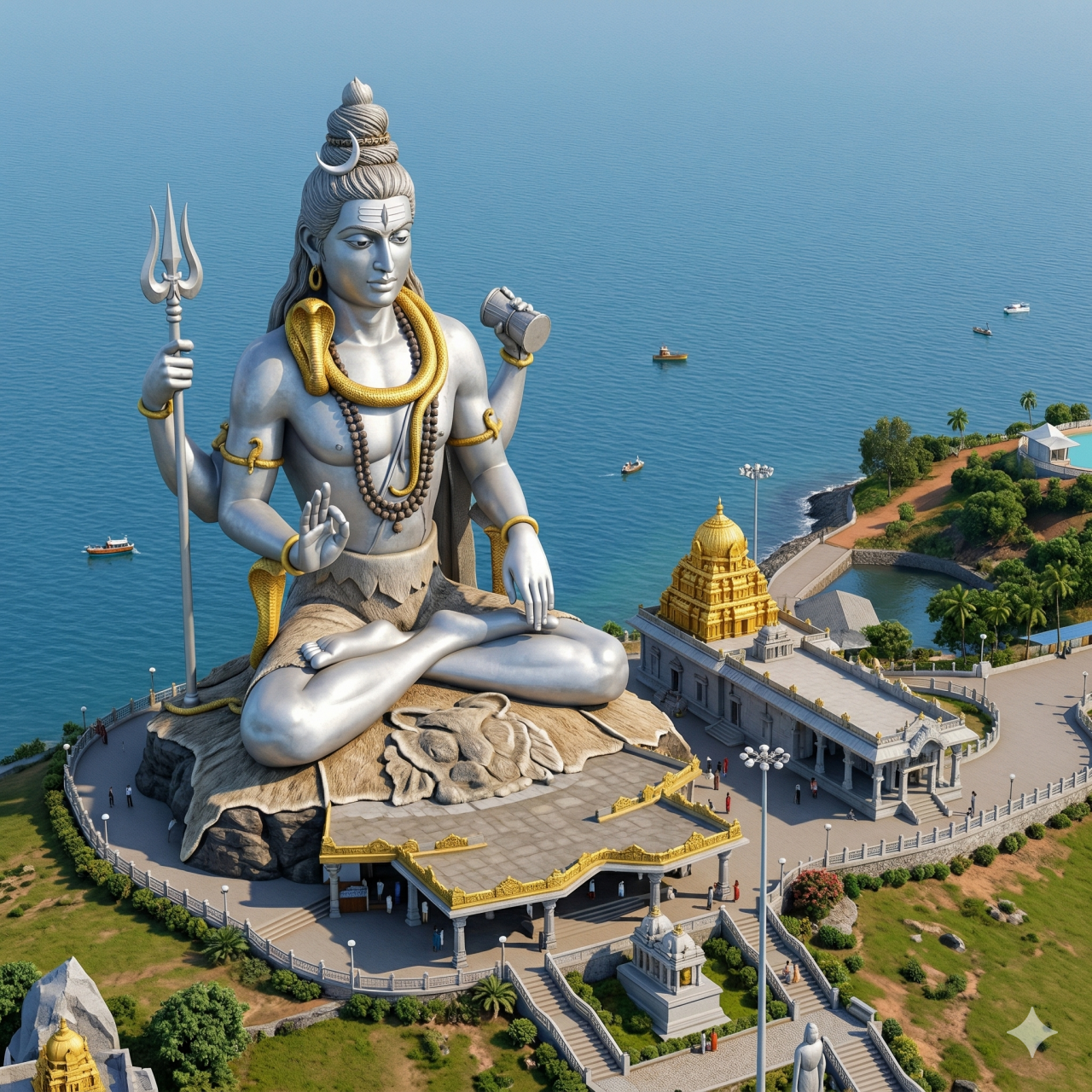
Murudeshwar Temple is a renowned Hindu pilgrimage site located in the coastal town of Murudeshwar, Uttara Kannada district, Karnataka, India. Dedicated to Lord Shiva, it is famed for its monumental architecture, seaside setting, and one of the tallest Shiva statues in the world.
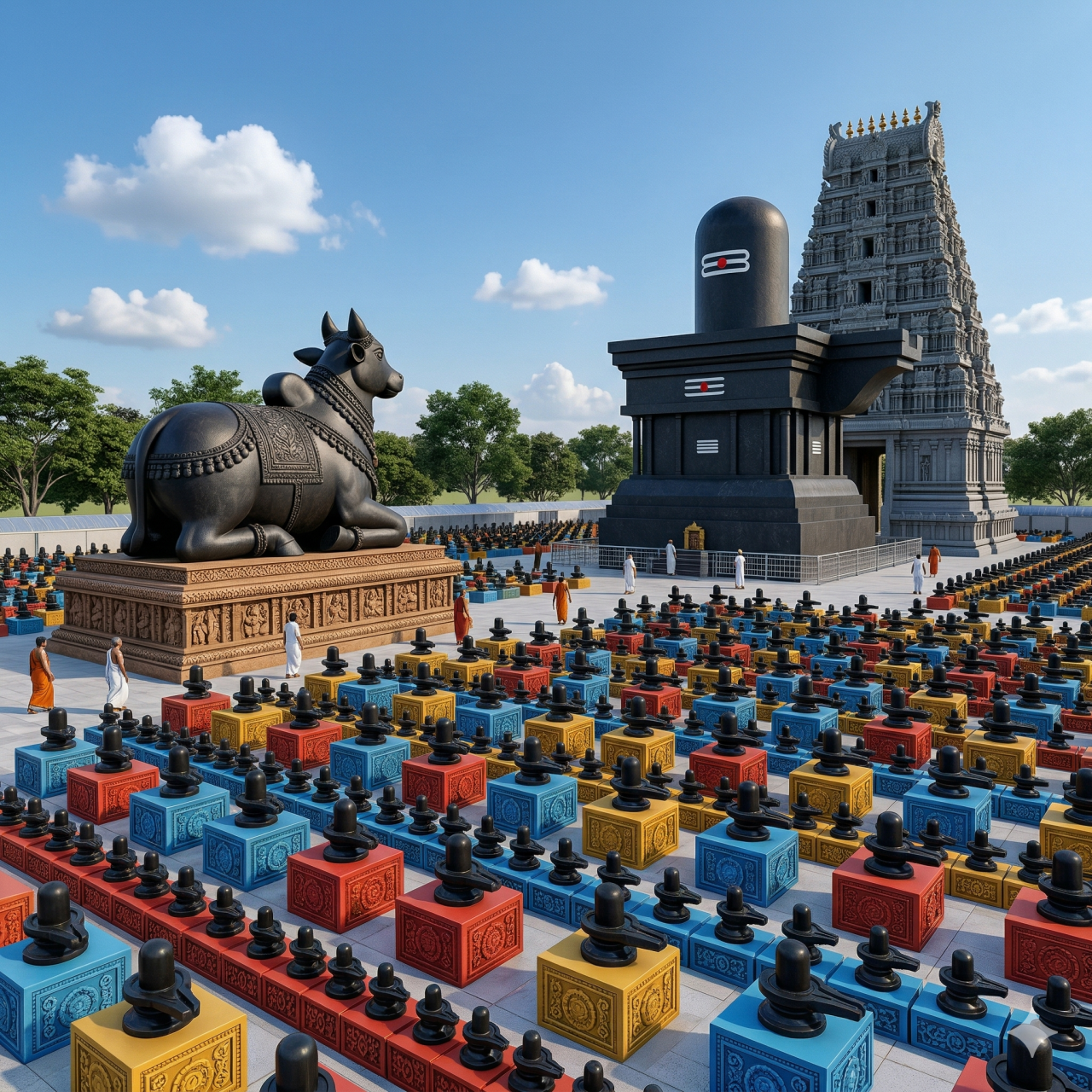
Kotilingeshwara Temple is a major Hindu pilgrimage site located in Kolar. It is renowned for housing one of the world’s largest collections of Shiva lingams—symbolic representations of Lord Shiva. The temple attracts thousands of devotees annually, both for its spiritual significance and its extraordinary scale of worship.
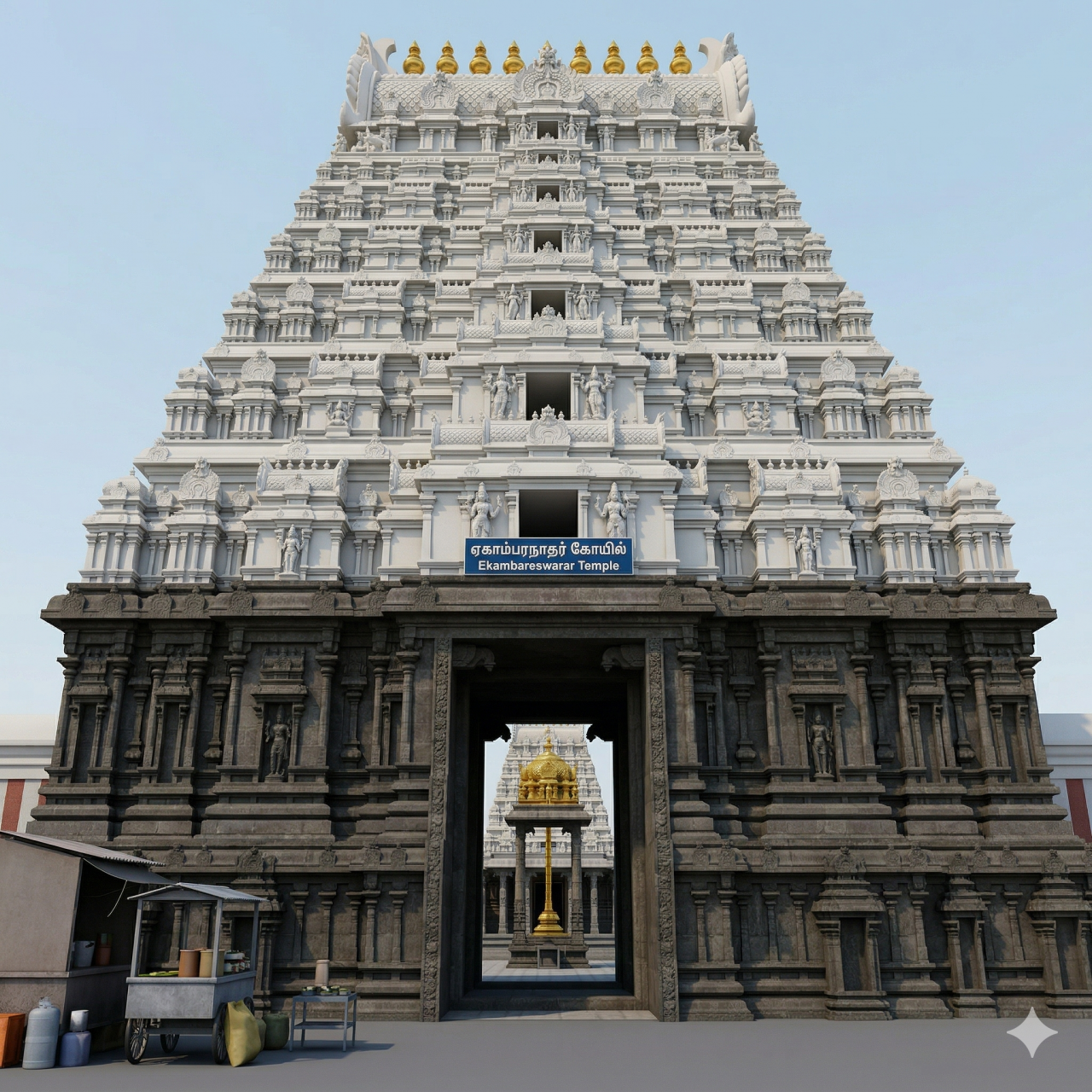
The Ekambareswarar Temple is a vast and ancient Hindu temple dedicated to Lord Shiva, located in Kanchipuram, Tamil Nadu, India. Revered as one of the Pancha Bhoota Stalas, it represents the element of earth (Prithvi) and stands as one of South India’s most significant spiritual and architectural landmarks.
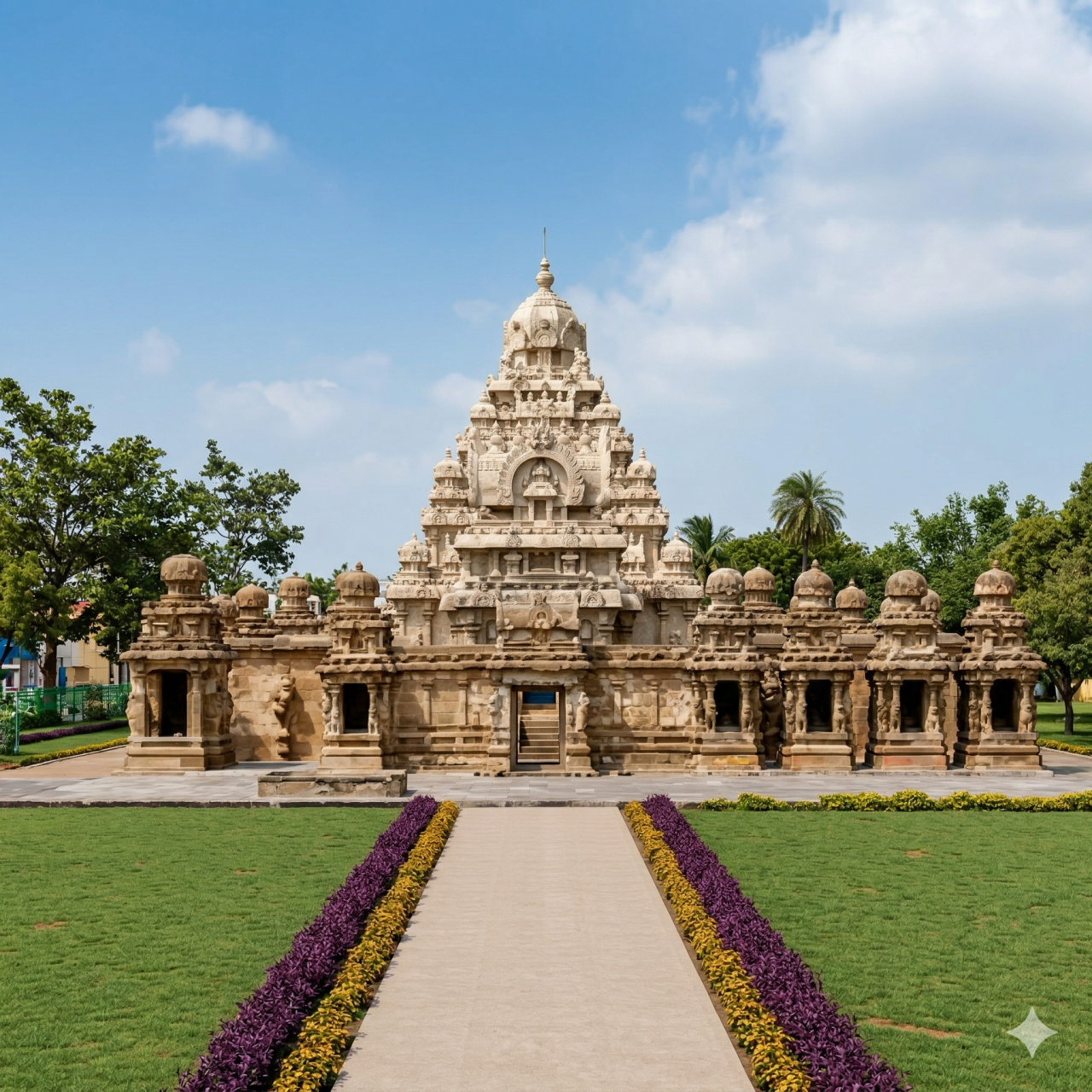
The Kailasanathar Temple in Kanchipuram, Tamil Nadu, India, is a 7th–8th century Hindu temple dedicated to Lord Shiva. It is the oldest surviving monument in Kanchipuram and an early masterpiece of South Indian Dravidian temple architecture, built during the Pallava dynasty’s zenith.
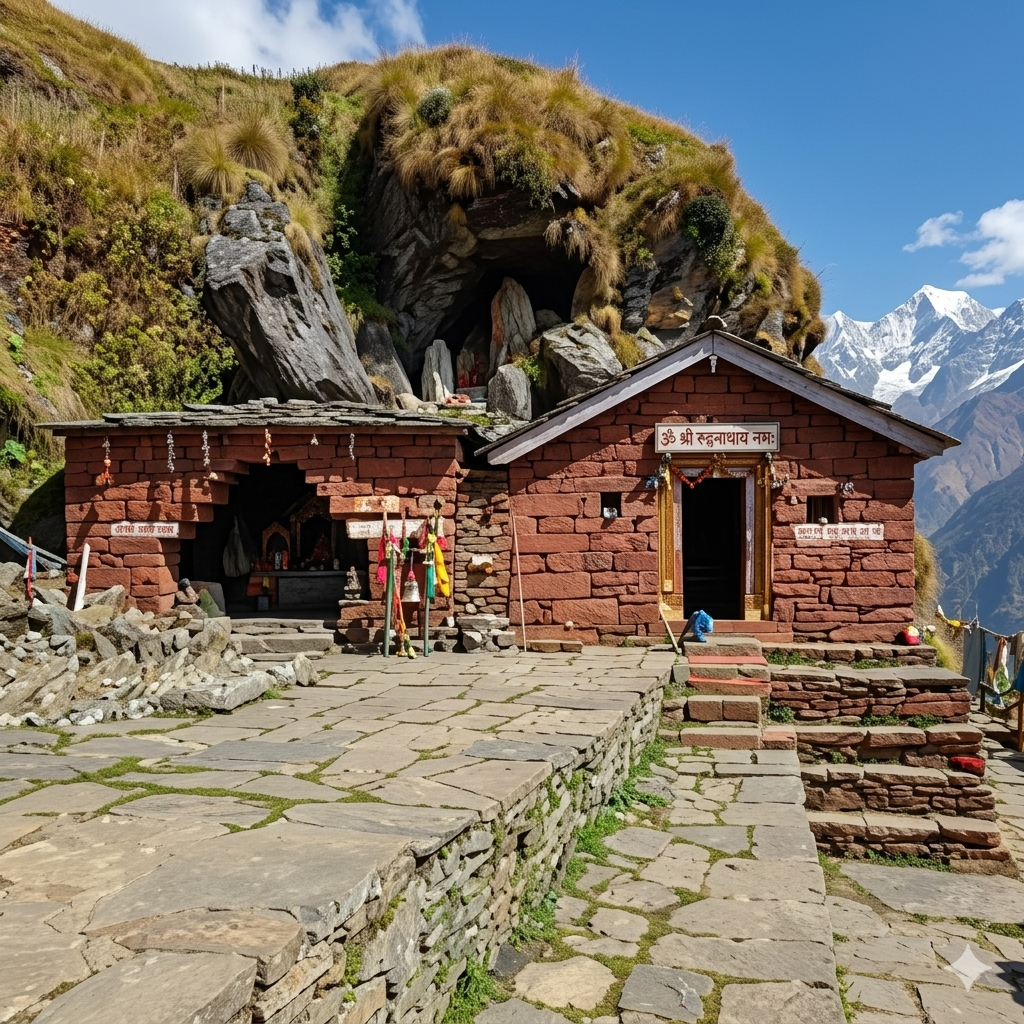
Rudranath Temple is a revered Hindu pilgrimage site located in the Chamoli district of Uttarakhand, India. It is one of the five temples of the Panch Kedar circuit, dedicated to Lord Shiva, where the deity is worshipped in the form of his face (mukha). Its remote Himalayan setting and spiritual significance make it an important destination for devotees and trekkers alike.
Bhavnath Mahadev Temple is an ancient Hindu shrine dedicated to Lord Shiva, located at the foothills of Mount Girnar in Junagadh, Gujarat, India. It is revered as a sacred pilgrimage site, particularly during the annual Bhavnath Fair, attracting thousands of devotees and ascetics from across the country.