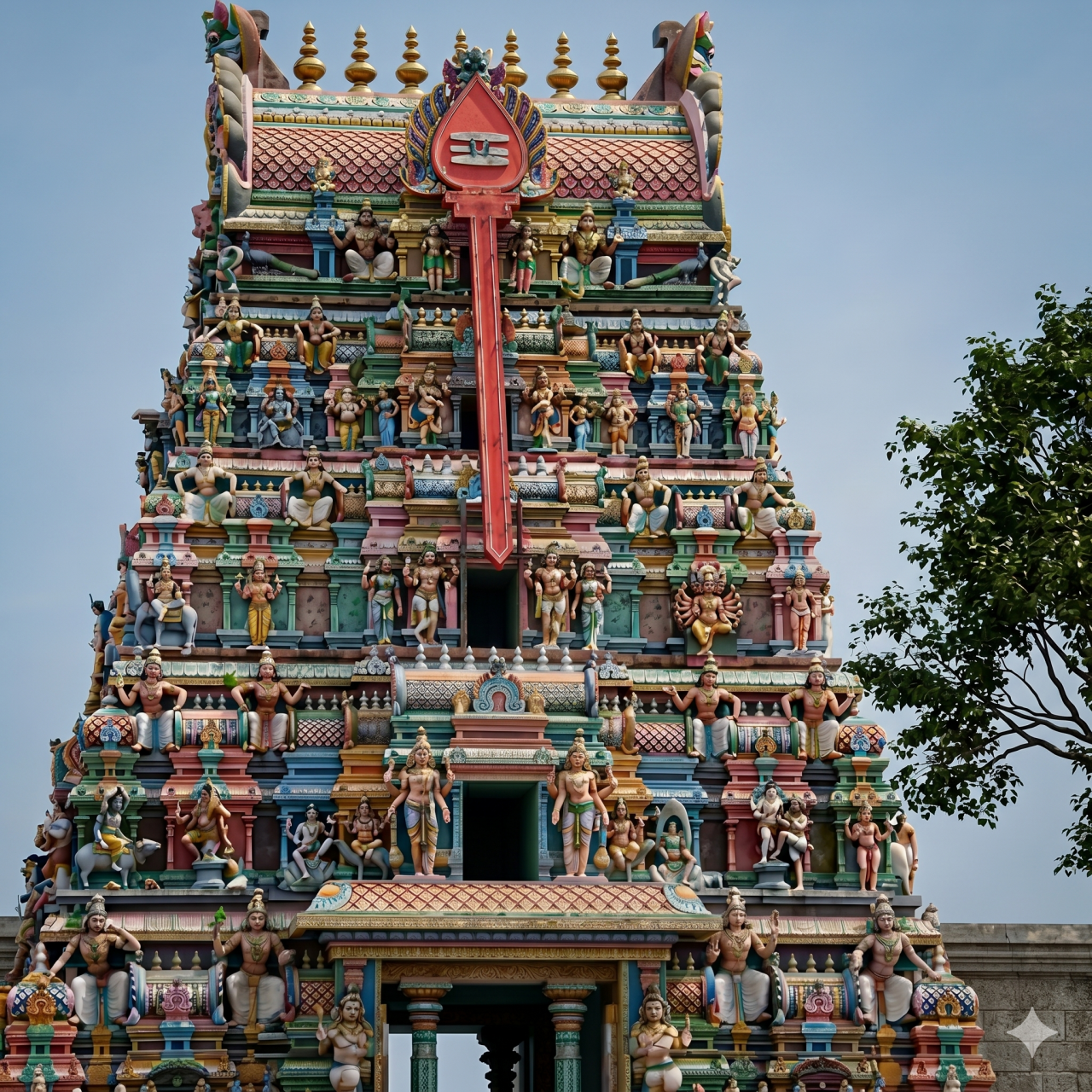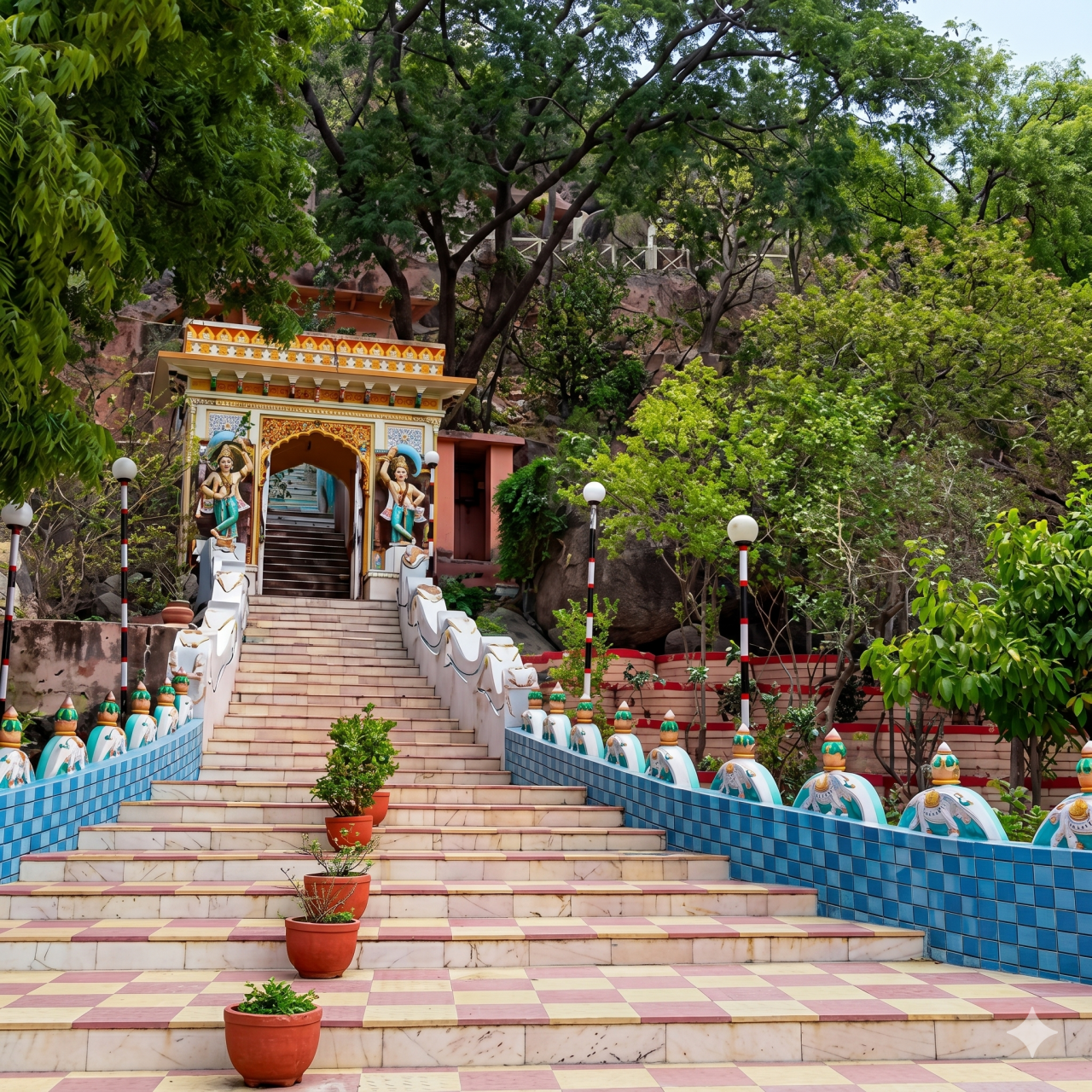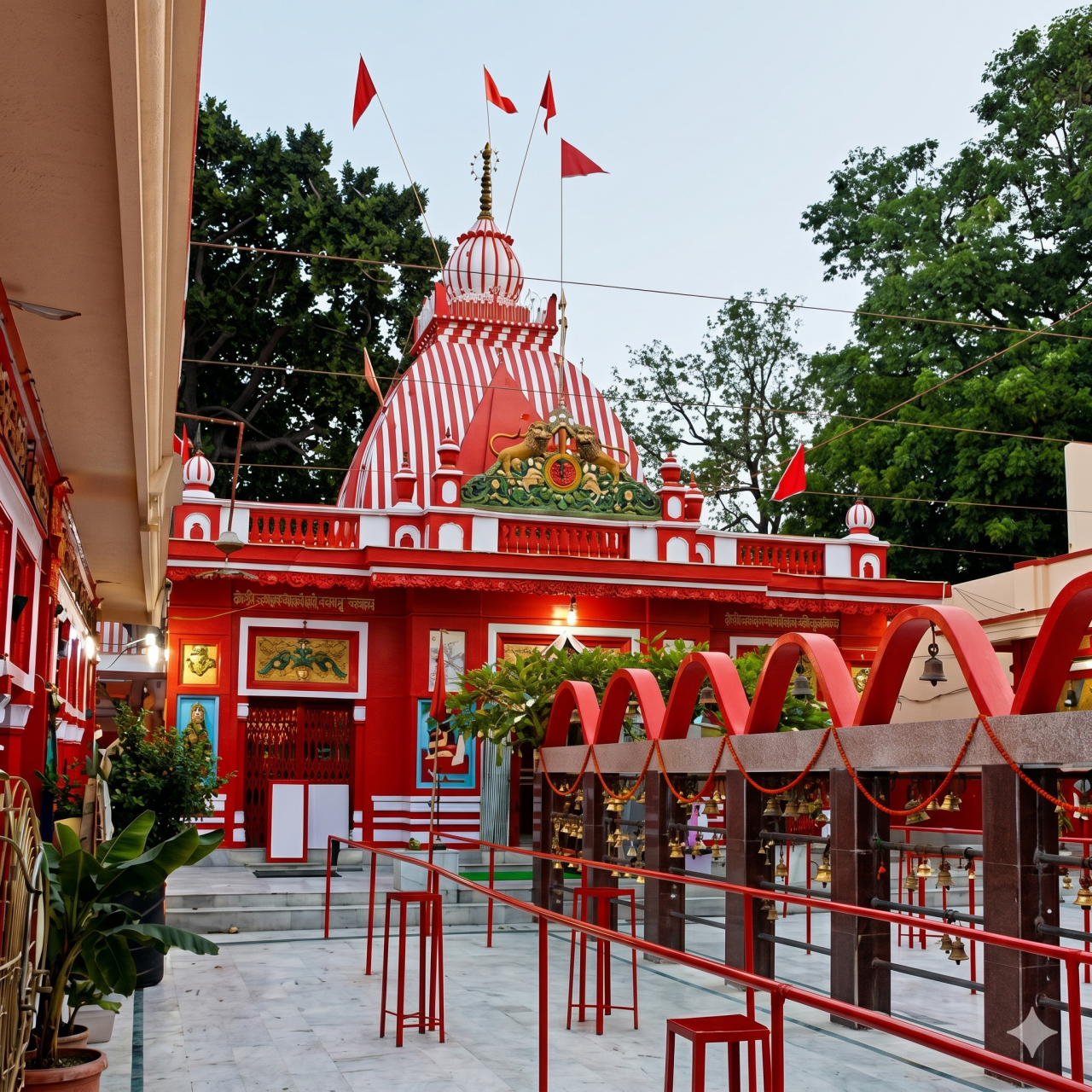
Shani Dev ,Lord Shani, also known as Shani Dev, is one of the most respected and spiritually significant deities in Hinduism. Revered as the divine administrator of justice, he represents the universal law of karma, ensuring that every individual receives the results of their actions, whether good or bad. Unlike the common misconception that he is only a harbinger of difficulties, Shani Dev is actually a symbol of fairness, discipline, patience, and transformation. His influence encourages people to lead righteous lives, remain honest, and develop inner strength through life's challenges.
According to Hindu scriptures, Shani Dev is the son of Surya, the Sun God, and Chhaya (Shadow Goddess). His birth is surrounded by fascinating legends that highlight his immense spiritual power. It is believed that Chhaya performed intense penance while carrying Shani in her womb. Due to her severe austerities and unwavering devotion, the unborn Shani absorbed extraordinary spiritual energy. When he was born, his powerful gaze is said to have affected even the brilliance of Surya, symbolizing the immense influence he would later hold over both the celestial and human worlds.
Shani Dev occupies a unique position among the Navagrahas, the nine planetary deities in Hindu astrology. He governs the planet Saturn (Shani Graha), which is considered one of the slowest-moving planets in Vedic astrology. Because Saturn takes approximately 29.5 years to complete one orbit around the zodiac, its effects are long-lasting and deeply transformative. Rather than creating sudden changes, Shani Dev gradually shapes an individual's destiny through experiences that encourage wisdom, maturity, and self-realization.
In Vedic astrology, Shani Dev is regarded as the ultimate judge of karma. His role is not to punish people out of anger but to ensure that justice prevails. Every action, thought, and intention creates karmic consequences, and Shani Dev ensures that these consequences manifest at the appropriate time. Those who practice honesty, humility, compassion, and discipline often experience his blessings in the form of success, stability, wealth earned through hard work, and long-lasting happiness. Conversely, individuals who engage in dishonesty, arrogance, exploitation, or unethical behavior may encounter obstacles designed to correct their path.
One of the most discussed aspects of Shani Dev's influence is Sade Sati. This astrological period lasts approximately seven and a half years and occurs when Saturn transits the zodiac signs before, during, and after a person's Moon sign. Many people fear Sade Sati because it is traditionally associated with financial difficulties, career challenges, health concerns, emotional struggles, or relationship issues. However, spiritual teachers often explain that Sade Sati is not meant to destroy lives but to transform them. It encourages individuals to let go of ego, develop patience, improve decision-making, and build resilience. For many people, this period ultimately leads to greater success and spiritual growth.
Another significant period is Shani Mahadasha, which lasts for nineteen years according to the Vimshottari Dasha system in Vedic astrology. The results of this Mahadasha depend largely on Saturn's placement in the birth chart and the individual's accumulated karma. A well-placed Saturn can bring remarkable achievements, leadership, financial stability, property acquisition, professional recognition, and spiritual wisdom. On the other hand, a weak or afflicted Saturn may create delays, hardships, misunderstandings, and repeated life lessons until the individual learns patience and responsibility.
Shani Dev is often described as the strictest teacher among all the planetary deities. While other deities may bless devotees with immediate rewards, Shani Dev emphasizes gradual progress through dedication and perseverance. His teachings remind humanity that lasting success cannot be achieved through shortcuts or deception. Instead, true prosperity comes from consistent effort, ethical conduct, and unwavering determination.
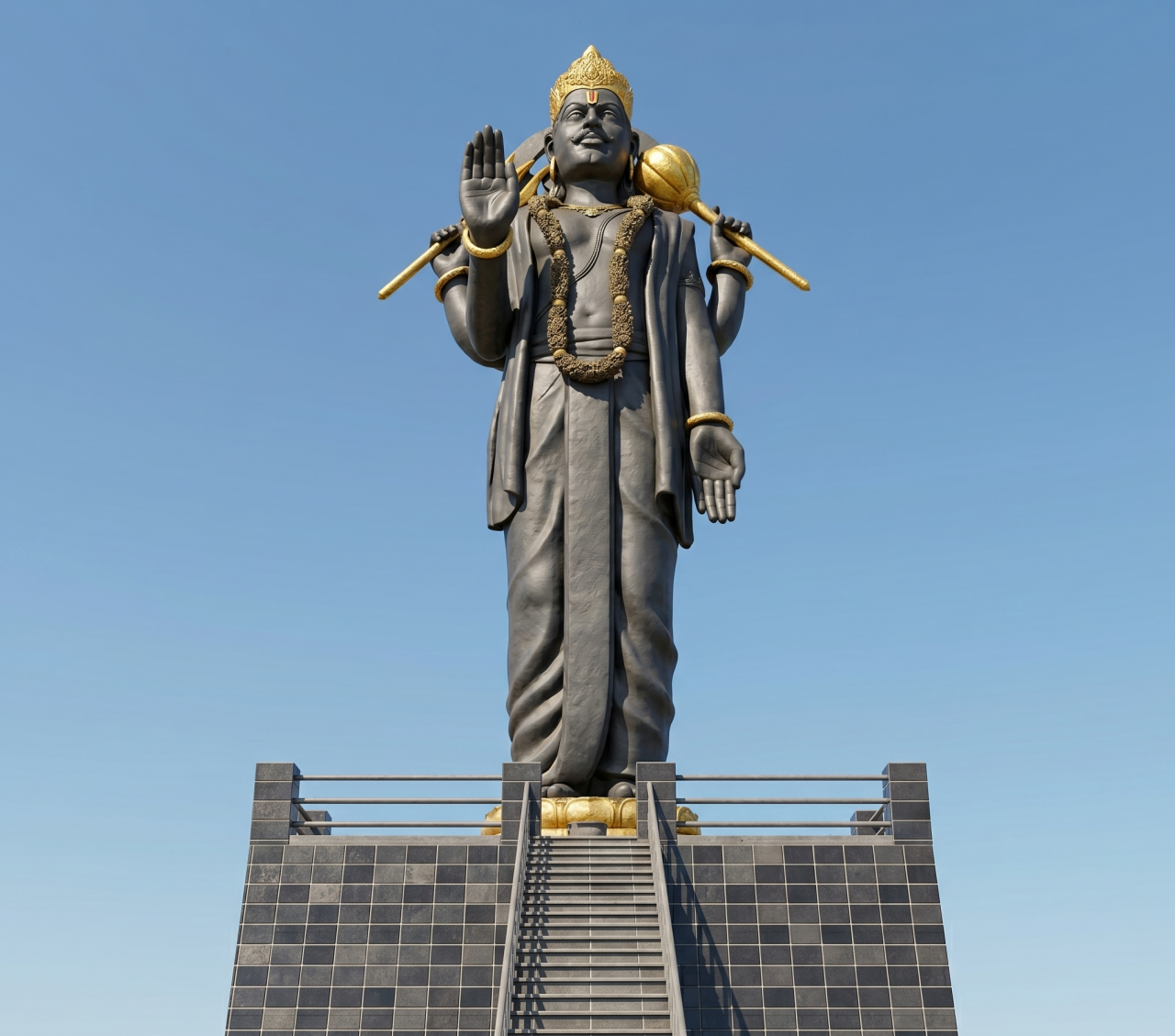
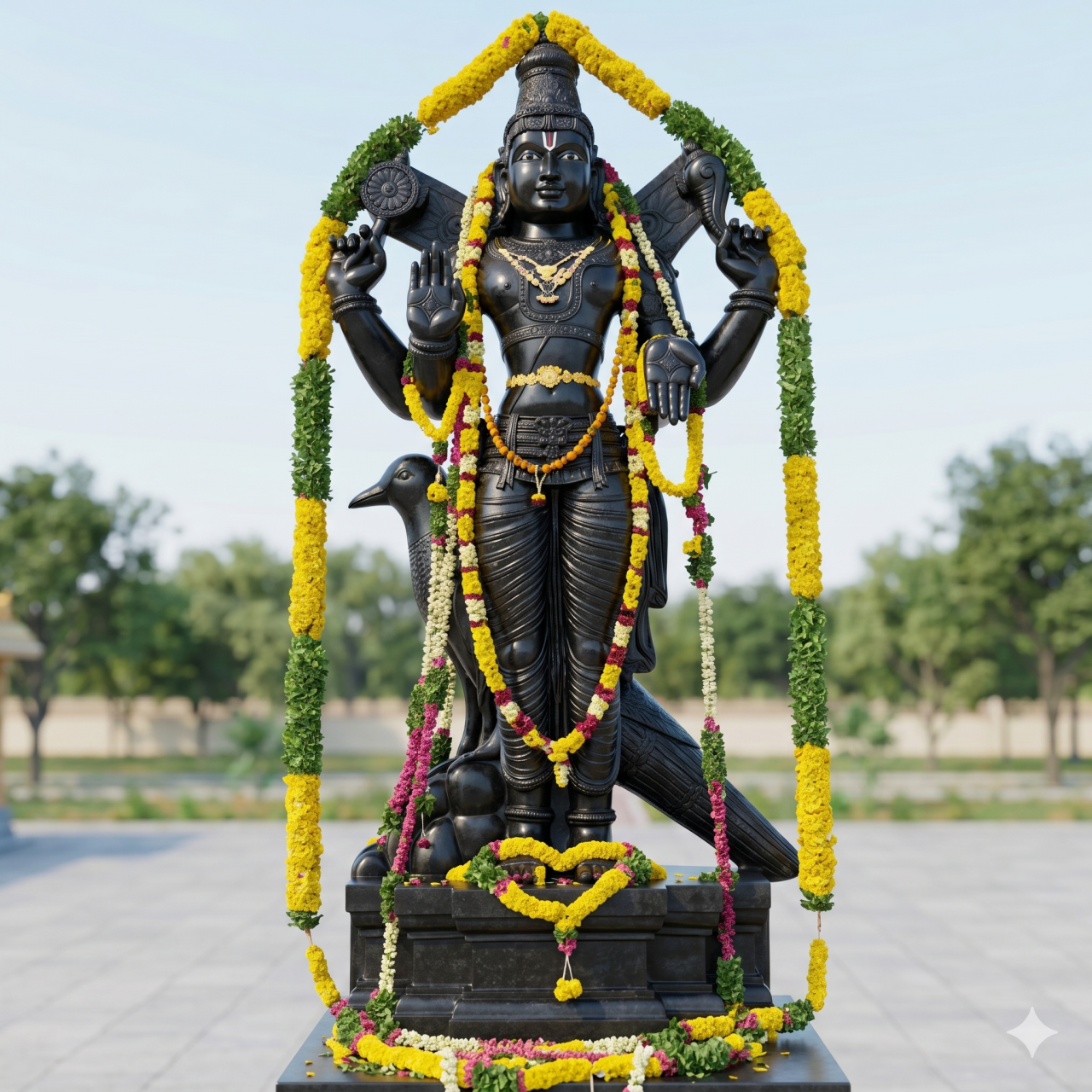
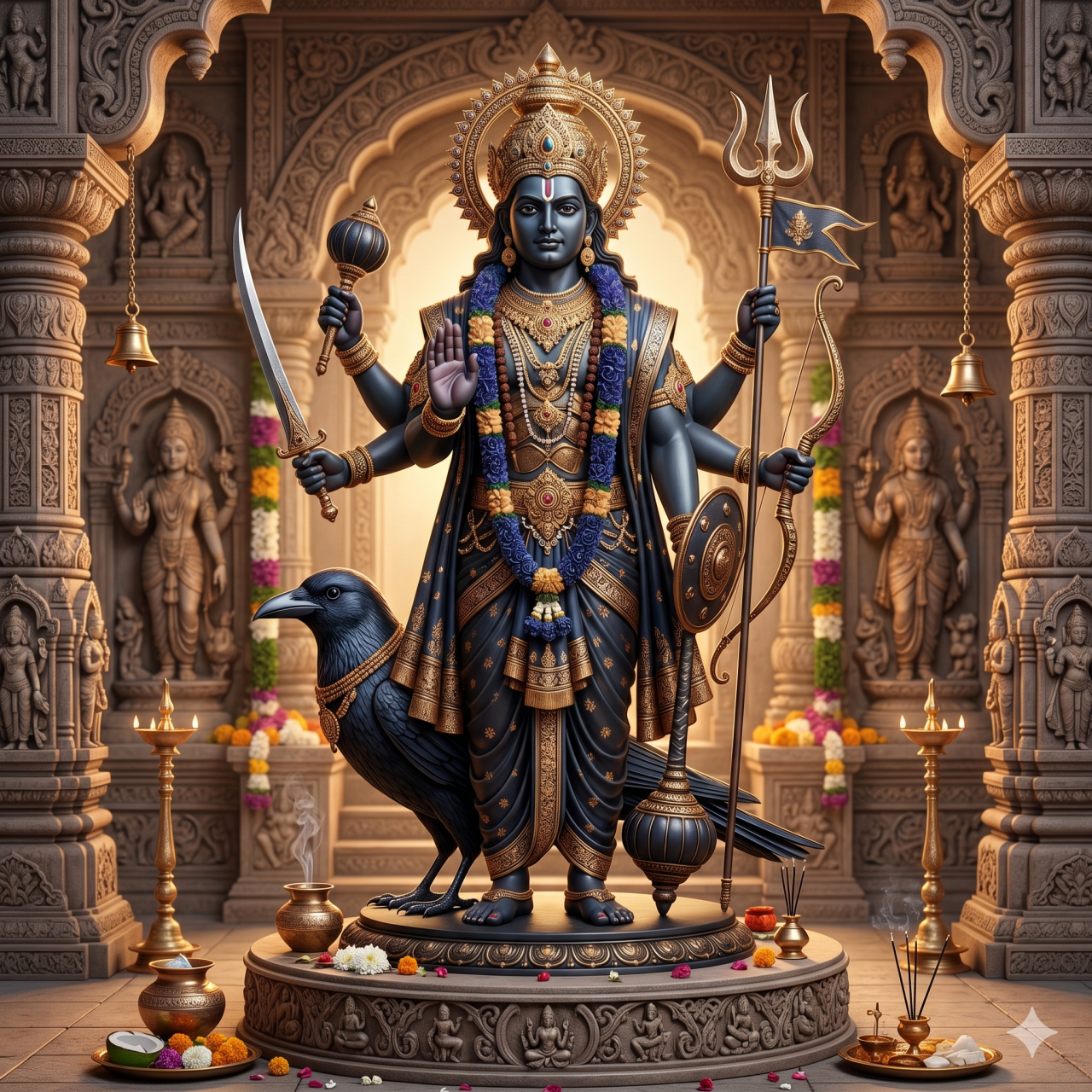
The iconography of Shani Dev carries deep symbolic meaning. He is usually depicted with a dark blue or black complexion, representing seriousness, detachment, and the mysteries of karma. His dark appearance symbolizes the hidden aspects of life that require introspection and self-awareness. He is commonly portrayed wearing dark-colored garments, seated upon or riding a crow or vulture. The crow symbolizes intelligence, vigilance, justice, and the ability to perceive hidden truths. It also reminds devotees that no action escapes the watchful eye of karma.
In many traditional depictions, Shani Dev holds a bow, arrow, trident, mace, or sword. Each weapon represents his authority to eliminate injustice and restore balance in the universe. His calm yet stern expression reflects impartial judgment. Unlike deities who display emotional compassion through immediate forgiveness, Shani Dev represents divine justice that operates according to universal laws rather than personal preferences.
Several fascinating stories in Hindu scriptures illustrate the greatness of Shani Dev. One popular legend involves Lord Hanuman. According to tradition, Shani Dev once attempted to test Hanuman. However, Hanuman's immense devotion to Lord Rama and his extraordinary strength protected him from Shani's influence. Impressed by Hanuman's devotion, Shani Dev promised that those who sincerely worship Lord Hanuman would receive relief from severe Saturn-related afflictions. This belief explains why many devotees recite the Hanuman Chalisa on Saturdays to seek protection from challenging Saturn influences.
Another famous story involves King Vikramaditya, renowned for his wisdom and justice. According to legend, Shani Dev tested the king through a series of hardships that stripped him of his wealth, kingdom, and reputation. Despite facing immense suffering, King Vikramaditya remained truthful, patient, and compassionate. Eventually, Shani Dev restored everything he had lost and blessed him for maintaining righteousness throughout his trials. This story emphasizes that patience and integrity ultimately triumph over adversity.
Shani Dev is also closely associated with Lord Shiva. Many devotees believe that worshipping Lord Shiva helps reduce the intensity of difficult Saturn periods because Shiva represents ultimate compassion and liberation from karmic bondage. Offering water, milk, or Bilva leaves to a Shiva Lingam while chanting sacred mantras is considered spiritually beneficial during Saturn-related challenges.
Saturday, known as Shaniwar, is considered the most auspicious day for worshipping Shani Dev. Devotees observe fasts, visit temples, light sesame oil lamps, and offer black sesame seeds, mustard oil, black cloth, iron objects, and blue flowers. These offerings symbolize humility and surrender to divine justice rather than attempts to avoid karmic consequences. Worship on Saturdays is believed to strengthen one's mental resilience, reduce fear, and invite positive transformation.
One of the most commonly recited mantras dedicated to Shani Dev is:
"Om Sham Shanicharaya Namah."
Regular chanting of this mantra with devotion is believed to promote mental peace, discipline, focus, and protection from negative influences. Many devotees chant it 108 times using a Rudraksha or black onyx mala during Saturday prayers.
Another powerful hymn is the Shani Stotra composed by King Dasharatha. According to tradition, King Dasharatha successfully pleased Shani Dev through sincere prayers, preventing severe hardships for his kingdom. Even today, many devotees recite this sacred hymn during difficult Saturn transits for spiritual strength and inner peace.
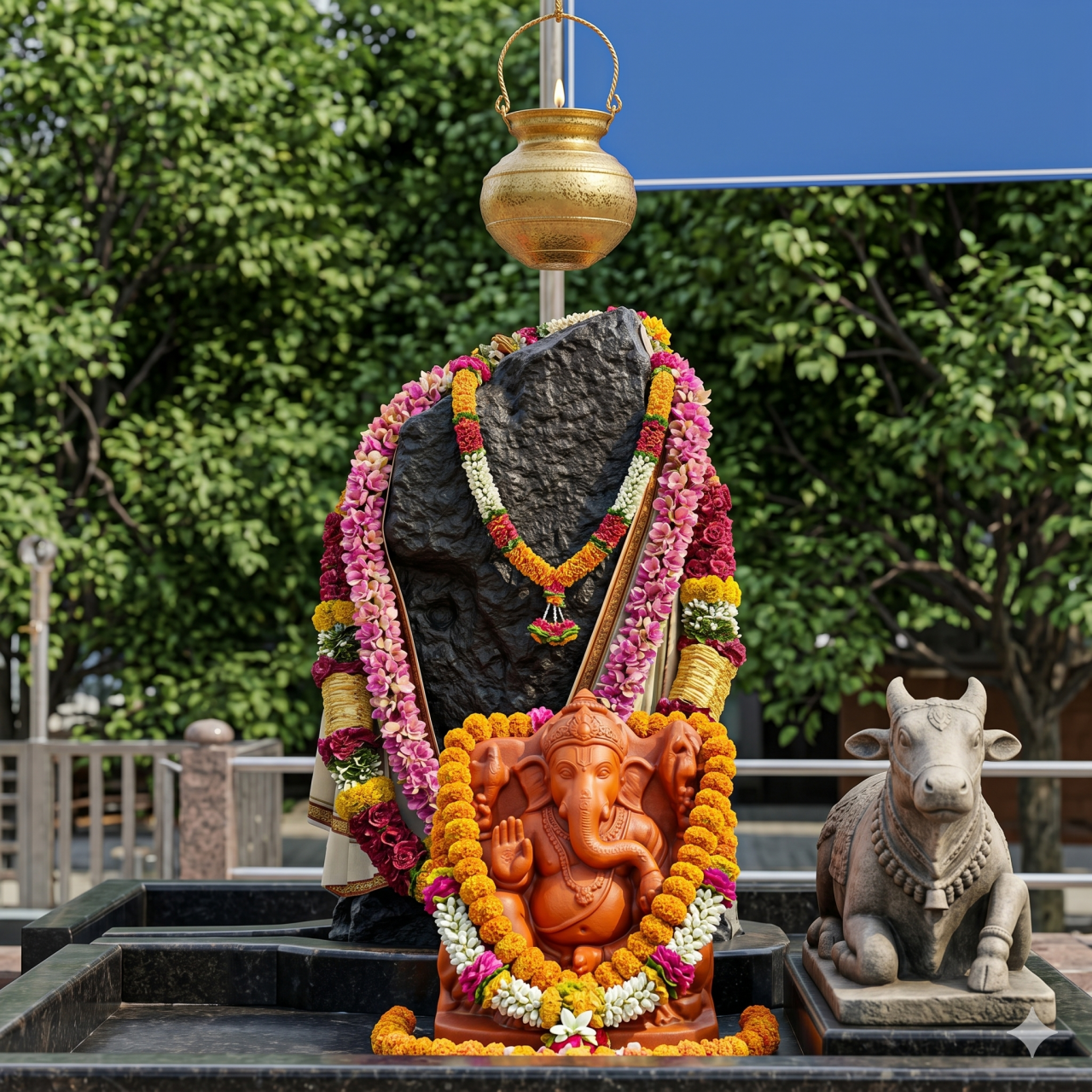
Shani Shingnapur Temple is a revered Hindu shrine located in the Ahmednagar district of Maharashtra, India, dedicated to Lord Shani, the celestial deity associated with the planet Saturn and justice. The temple is globally renowned for its open-air idol and the surrounding “doorless village,” symbolizing the community’s unwavering faith in divine protection.
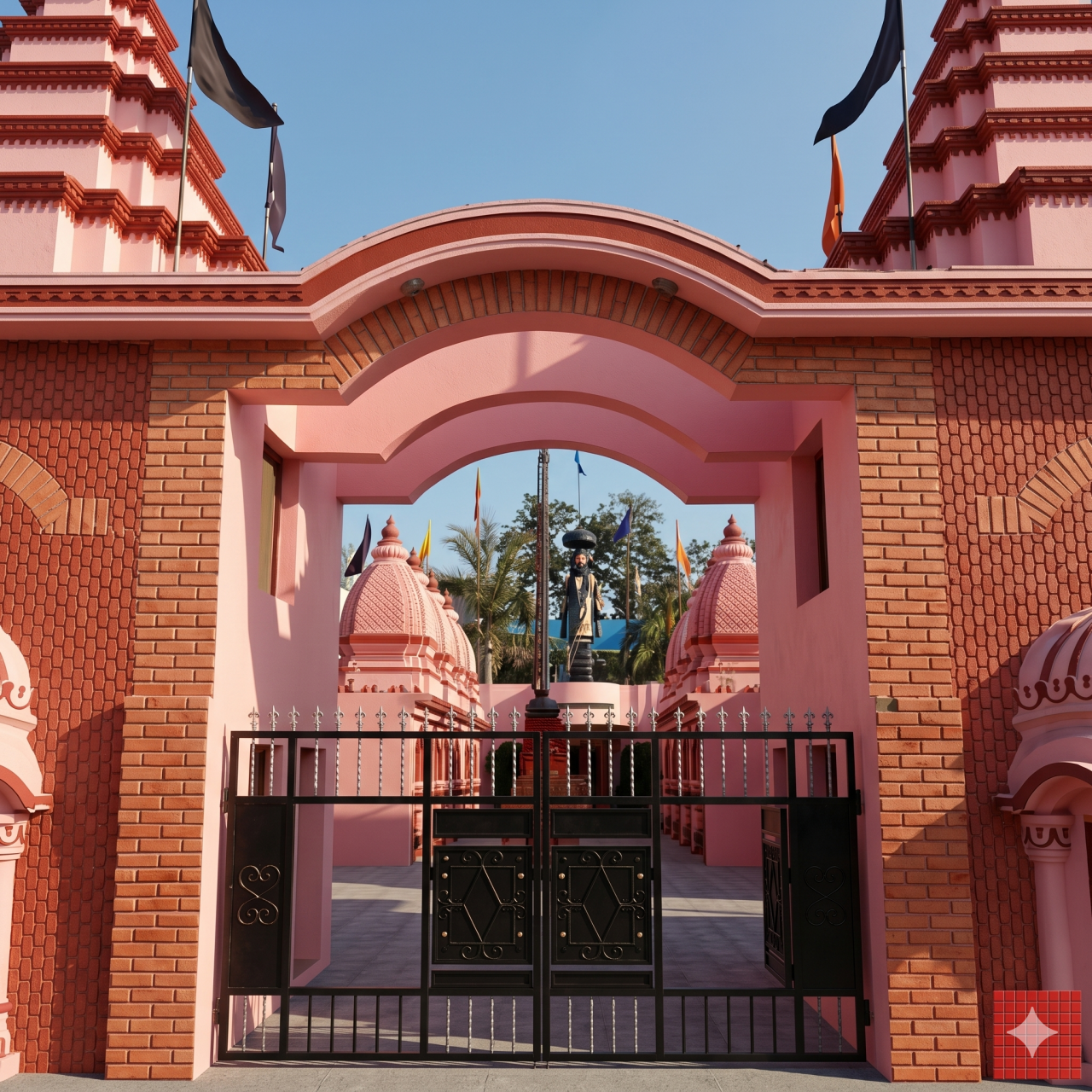
Shani Dham Temple in Delhi is a major Hindu pilgrimage site devoted to Lord Shani, the deity representing the planet Saturn in Indian astrology. Located along Chhatarpur Road near Asola in South Delhi, it is famed for housing what is regarded as the world’s tallest idol of Lord Shani. The temple draws large crowds, especially on Saturdays and during Shani Amavasya.
Kokilavan Dham Shani Temple is a major Hindu pilgrimage site located near Kosi Kalan in Mathura district, Uttar Pradesh, India. It is dedicated primarily to Lord Shani (Saturn), revered as Shani Dev, and is associated with sage Shri Barkhandi Baba. The temple attracts large crowds, especially on Saturdays, for rituals seeking relief from planetary afflictions.
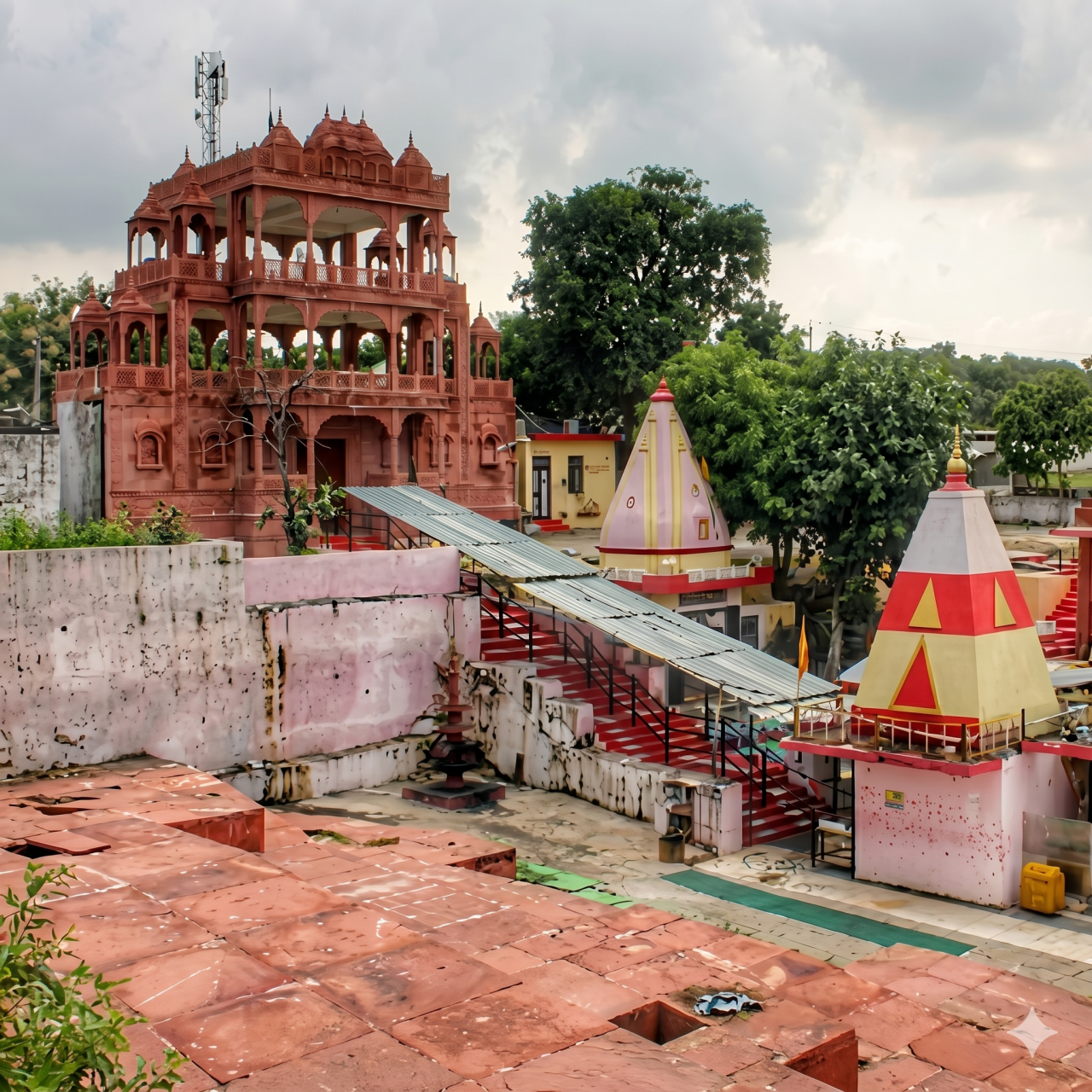
The Shani Temple in Ujjain, Madhya Pradesh, India, is a prominent Hindu shrine dedicated to Lord Shani (Saturn), one of the nine celestial deities in Vedic astrology. It is a major pilgrimage site in the ancient city of Ujjain, revered for mitigating the malefic effects of Saturn and promoting spiritual balance.
The Navagraha Shani Temple in Guwahati, Assam, India, is a prominent Hindu temple dedicated to the nine celestial deities (Navagrahas), with special reverence to Shani (Saturn). Situated atop Navagraha Hill (Chitrasal Hill), it holds both astrological and spiritual significance as one of the oldest and most visited temples in the region.
Mandapalli Shani Temple, formally known as Sri Mandeswara (Saneeswara) Swamy Temple, is a renowned Hindu pilgrimage site in Mandapalli village, East Godavari district, Andhra Pradesh, India. Dedicated to Lord Shiva—worshipped here as Mandeswara Swamy—the temple is celebrated for its association with Lord Shani (Saturn) and relief from astrological afflictions known as Shani Dosha.
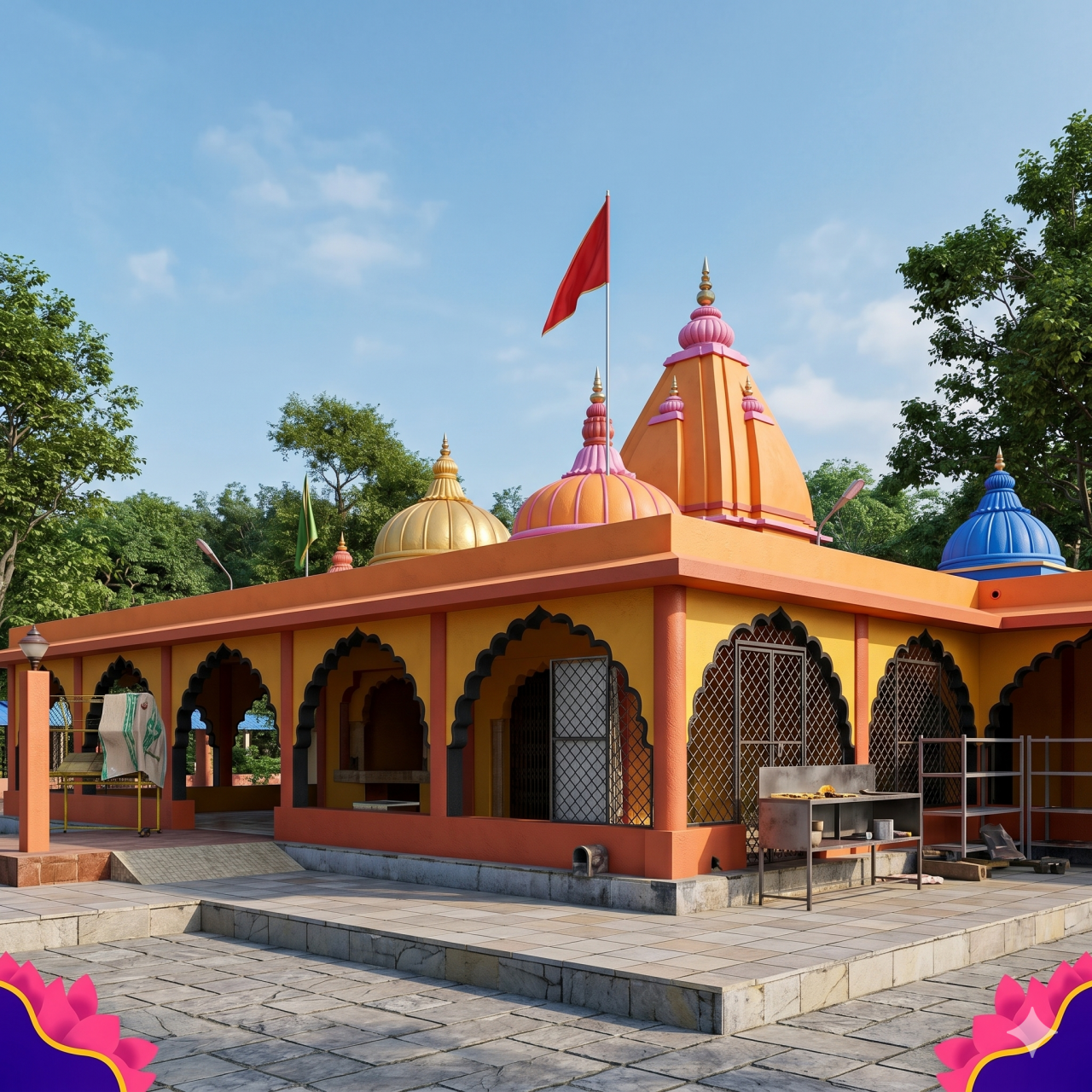
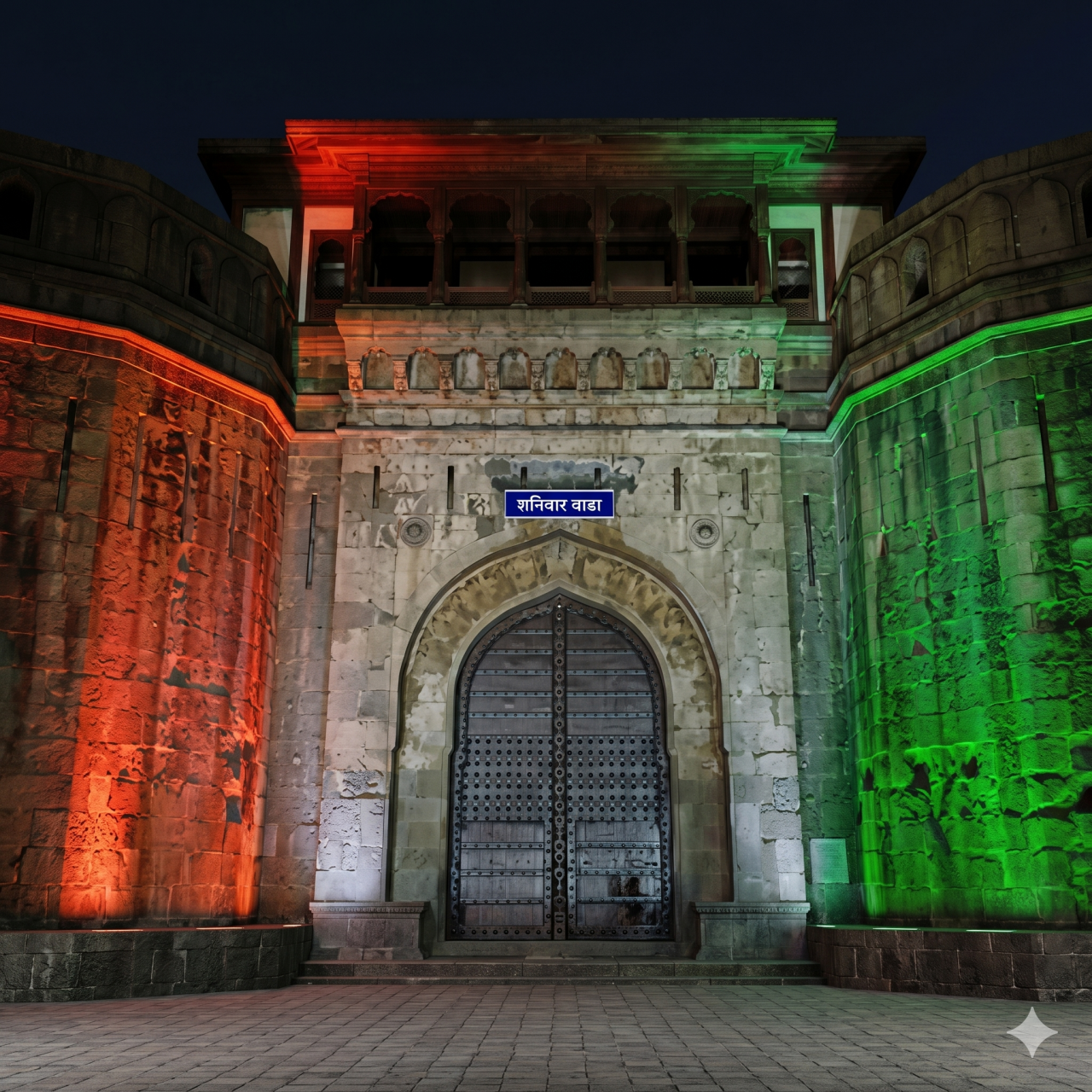
Shaniwar Wada Shani Temple is a small but spiritually significant shrine located within the precincts of the historic Shaniwar Wada complex in Pune, Maharashtra, India. Dedicated to Lord Shani (Saturn), the temple is a focal point for local devotees and visitors seeking blessings amid the grand Maratha-era architecture.
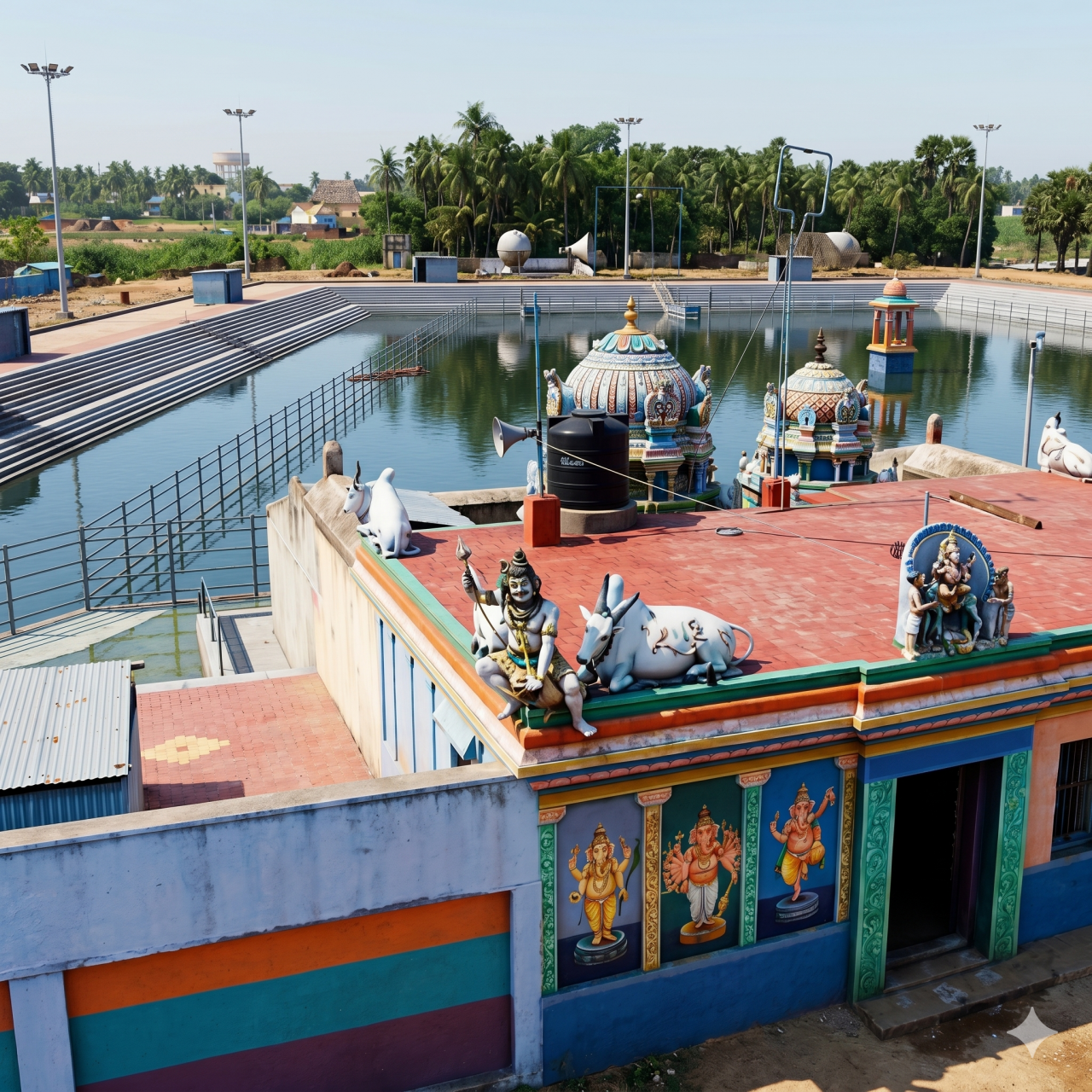
Thirunallar Shani Temple, located in Karaikal, Puducherry, India, is a revered Hindu shrine dedicated to Lord Shani (Saturn). It is part of the ancient Sri Dharbaranyeswarar Temple complex, where the presiding deity is Lord Shiva. The temple holds major astrological and spiritual significance as the only shrine in India exclusively associated with Saturn worship.
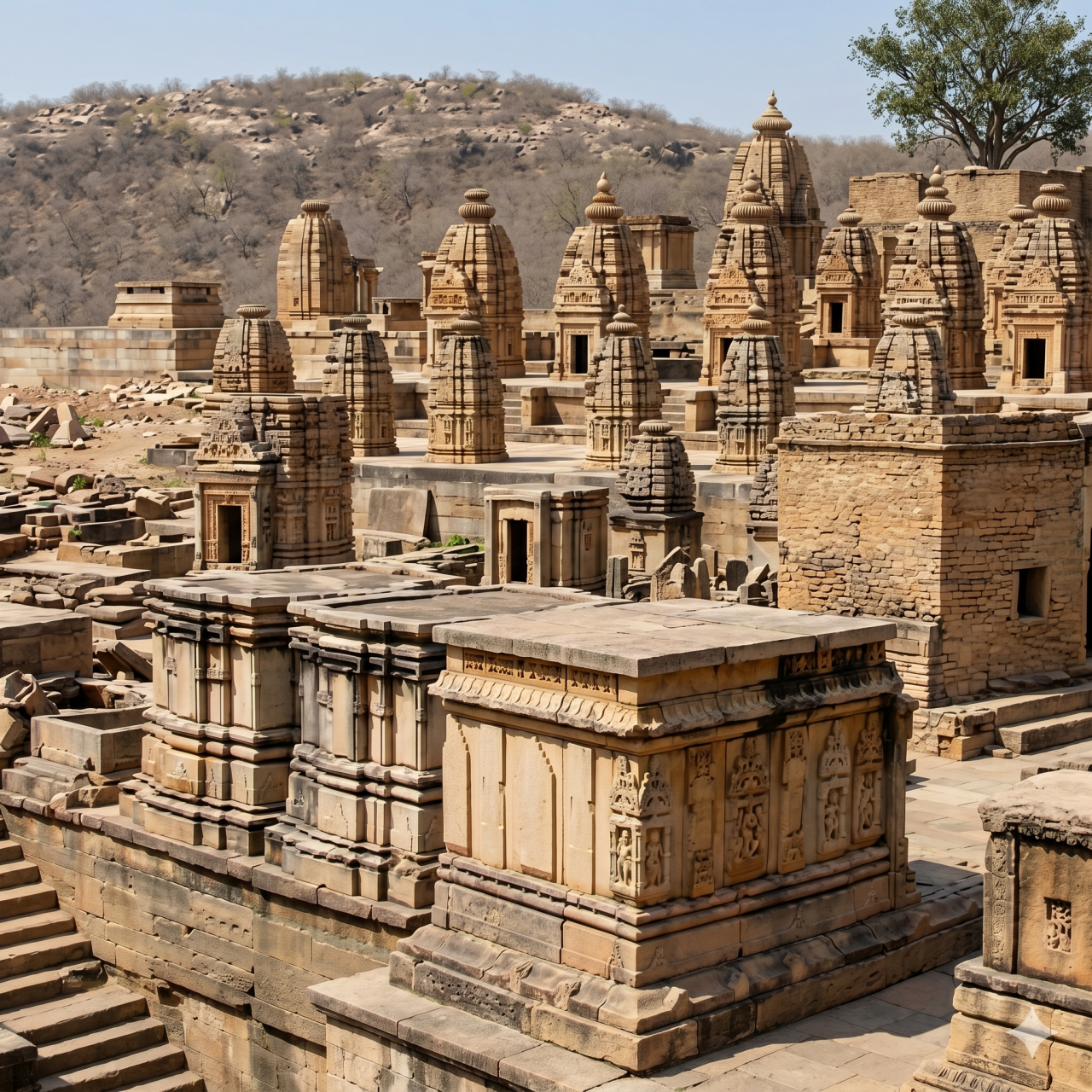
The Shani Temple in Morena, Madhya Pradesh, India, is a revered Hindu shrine dedicated to Lord Shani, the celestial deity associated with the planet Saturn and justice. It attracts devotees from across the region who seek blessings for relief from hardships and karmic balance.
The Shani Dev Temple in Indore, Madhya Pradesh, India, is a prominent Hindu place of worship dedicated to Lord Shani, the deity associated with the planet Saturn and justice. Known for its spiritual atmosphere, it attracts devotees seeking relief from Saturn’s astrological influence and blessings for balance and protection.
The Shani Temple in Jodhpur, Rajasthan, India, is a revered Hindu shrine dedicated to Lord Shani (Saturn), one of the Navagrahas (nine celestial deities) in Hindu astrology. It attracts devotees seeking relief from planetary hardships and blessings for prosperity and justice.
The Shani Temple in Hyderabad, Telangana, India, is a Hindu temple dedicated to Lord Shani, the deity associated with the planet Saturn and justice in Hindu astrology. It attracts devotees seeking relief from the malefic effects of Saturn and blessings for balance and righteousness in life.
The Shani Temple in Chennai, Tamil Nadu, India, is a Hindu shrine dedicated to Lord Shani (Saturn), one of the Navagrahas or nine celestial deities in Hindu astrology. It draws devotees seeking relief from Saturn-related astrological afflictions and blessings for prosperity, discipline, and justice.
The Shani Temple in Bhopal, Madhya Pradesh, India, is a revered Hindu shrine dedicated to Lord Shani (Saturn), one of the Navagrahas or nine celestial deities in Hindu astrology. It is an important spiritual site where devotees seek relief from the adverse effects of Shani’s influence and pray for justice, prosperity, and balance in life.
The Shani Dev Temple in Lucknow, Uttar Pradesh, India, is a prominent Hindu shrine dedicated to Lord Shani, the celestial deity associated with the planet Saturn and justice in Hindu astrology. It is one of the most visited Shani temples in northern India, drawing devotees seeking relief from astrological hardships and blessings for prosperity.