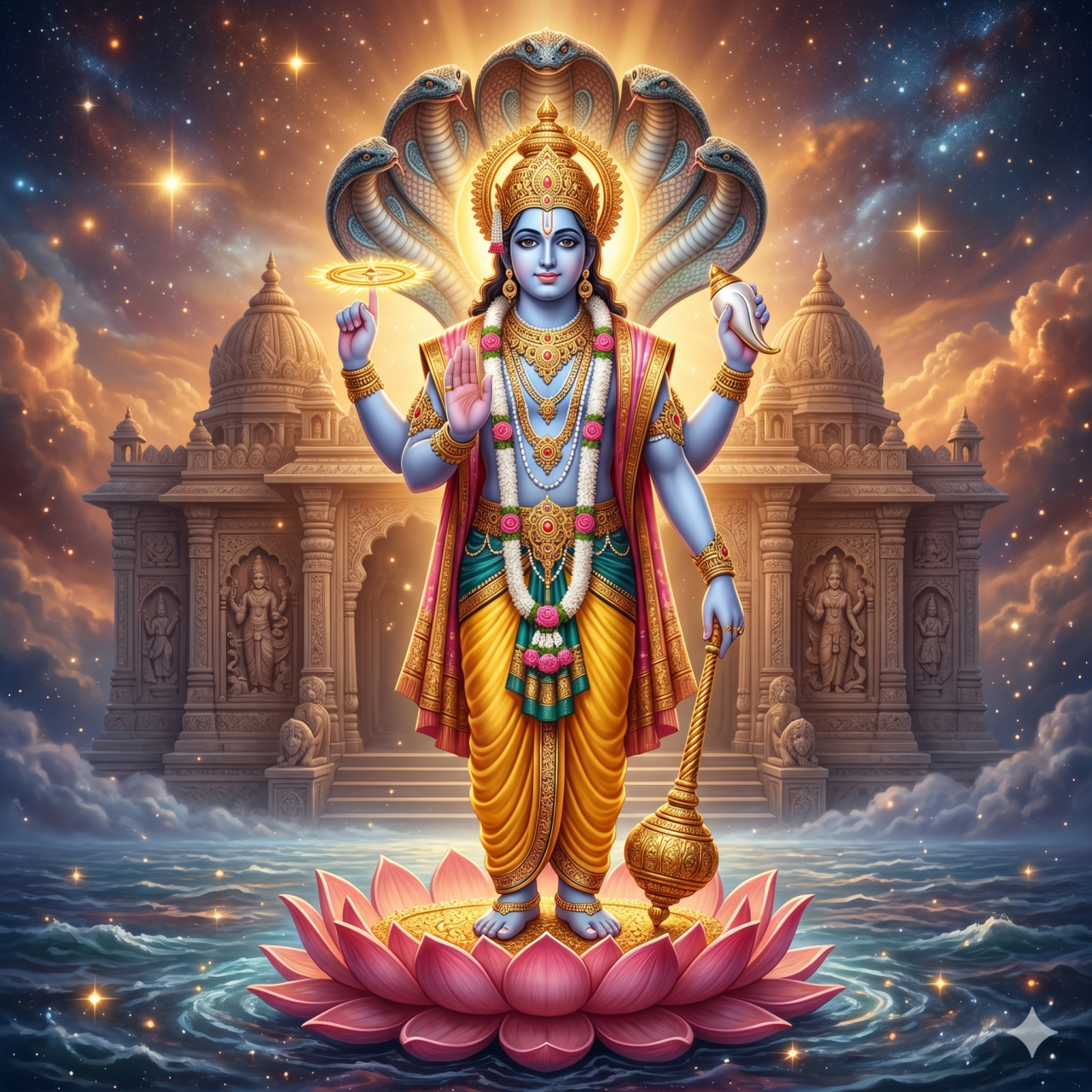
According to Hindu beliefs, Lord Vishnu resides in Vaikuntha, a heavenly realm filled with peace and divine beauty. He is often depicted reclining on the serpent Shesha in the cosmic ocean. His consort is Lakshmi, the goddess of wealth, fortune, and prosperity. Together, they symbolize the union of protection and prosperity, which is essential for the welfare of humanity.
Lord Vishnu is usually shown with four arms, each carrying a symbolic object. He holds a conch shell called Panchajanya, which represents the sound of creation and purity. His discus, known as Sudarshana Chakra, symbolizes the destruction of evil and ignorance. The mace called Kaumodaki stands for strength and power, while the lotus flower represents purity, peace, and spiritual enlightenment. These symbols remind devotees of the qualities needed to live a righteous life.
One of the most important aspects of Lord Vishnu is his role as the protector of dharma, or righteousness. Whenever evil forces rise and disturb the balance of the world, Vishnu takes different forms, known as avatars, to restore order and protect humanity. The ten major avatars of Vishnu are collectively called the Dashavatara. These incarnations demonstrate his commitment to saving the world from injustice and suffering.
Among the Dashavatara, the most popular avatars are Rama and Krishna. Rama, the hero of the Ramayana, is admired for his honesty, courage, and devotion to duty. His victory over Ravana symbolizes the triumph of good over evil. Krishna, the central figure in the Mahabharata, taught the sacred wisdom of the Bhagavad Gita to Arjuna on the battlefield of Kurukshetra. His teachings continue to inspire people to perform their duties with dedication and selflessness.
Other avatars of Vishnu include Matsya, the fish who saved humanity from a great flood; Kurma, the tortoise who supported the churning of the ocean; Varaha, the boar who rescued the Earth; Narasimha, the half-man half-lion who destroyed the demon Hiranyakashipu; Vamana, the dwarf who defeated the proud king Bali; Parashurama, the warrior sage; Buddha, associated with compassion and peace in some traditions; and Kalki, the future warrior avatar believed to appear at the end of the present age to destroy evil and restore righteousness.
Lord Vishnu’s importance is deeply connected to the concept of cosmic order. Hindus believe that the universe constantly goes through cycles of creation, preservation, and destruction. Vishnu’s role is to preserve life and maintain stability. Through his avatars, he teaches humanity the values of kindness, justice, humility, truth, and devotion. His stories also emphasize that no matter how powerful evil may seem, goodness and righteousness will ultimately prevail.
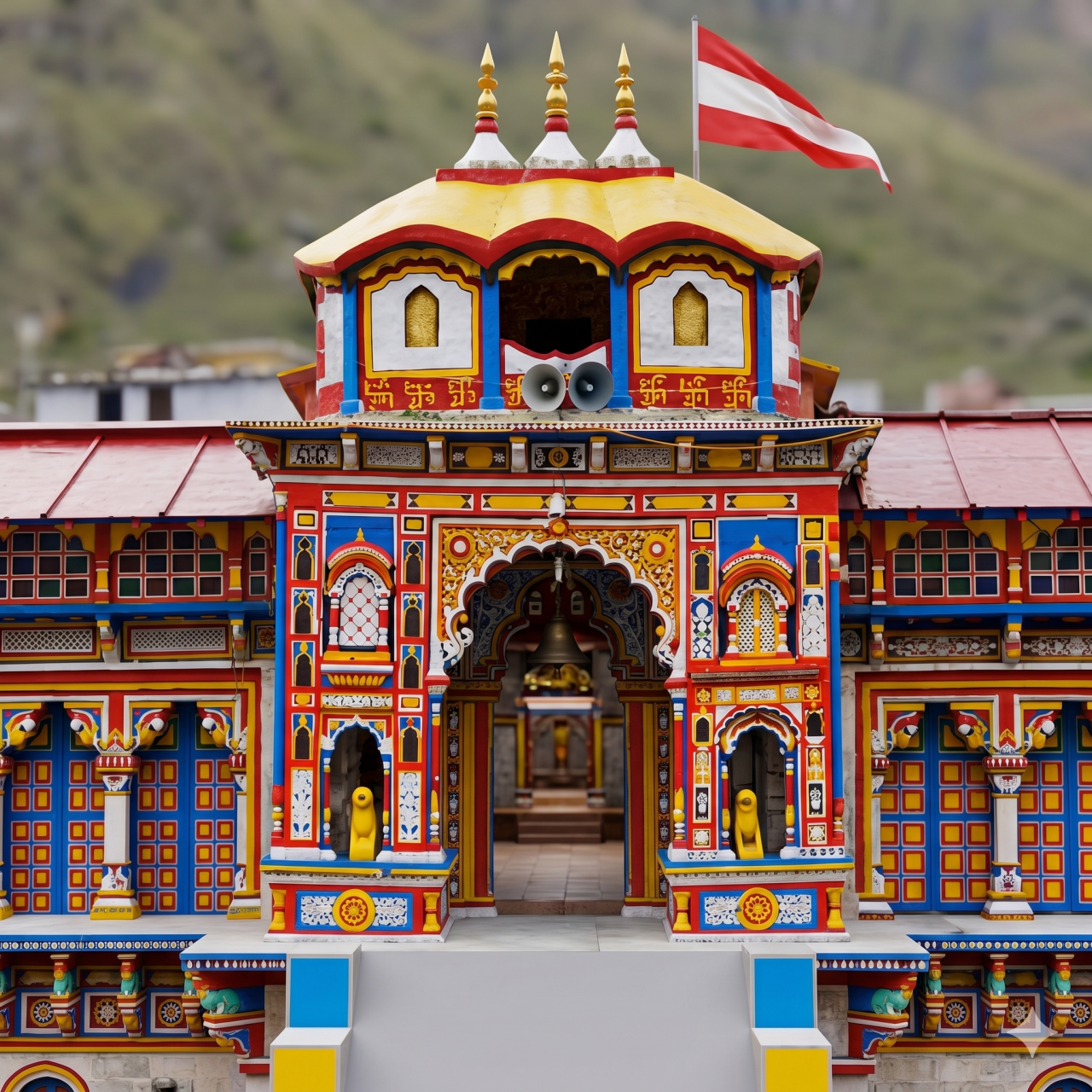
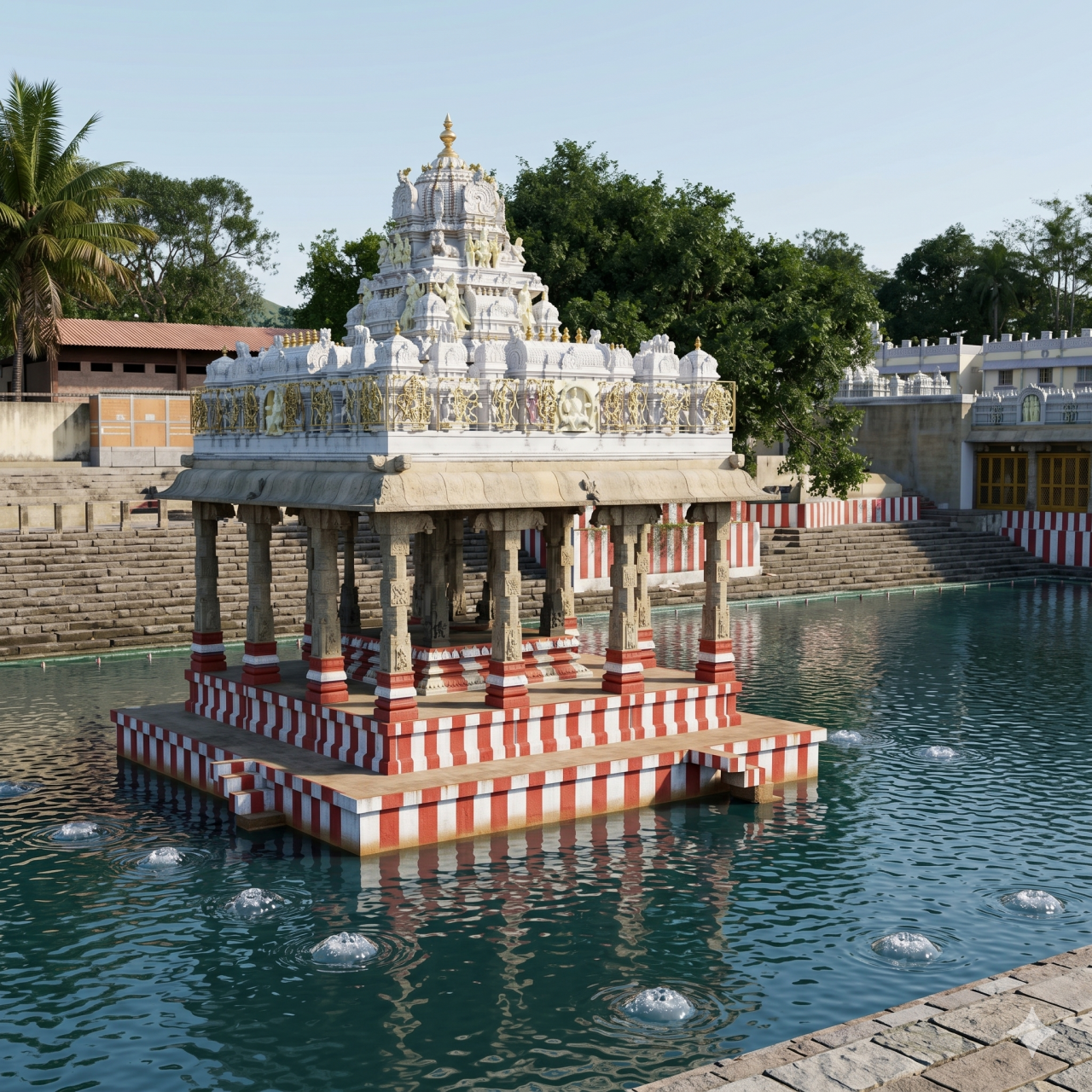
Many festivals are dedicated to Lord Vishnu and his avatars. Janmashtami celebrates the birth of Krishna, while Rama Navami marks the birth of Rama. Devotees observe fasts, sing devotional songs, and visit temples during these occasions. Temples dedicated to Vishnu, Krishna, and Rama are found throughout India and many other countries. Famous Vishnu temples include Tirupati Balaji Temple and Badrinath Temple, which attract millions of pilgrims every year.
The teachings associated with Lord Vishnu encourage people to live moral and disciplined lives. Devotion to Vishnu, known as Vaishnavism, is one of the major traditions of Hinduism. Followers believe that sincere devotion, prayer, and good actions lead to spiritual liberation and inner peace. Vishnu is often seen as a compassionate god who protects his devotees and guides them through difficulties.
Lord Vishnu’s stories are not merely religious tales but also sources of moral education. Children and adults alike learn lessons about honesty, loyalty, courage, and humility through his avatars. His life and teachings inspire people to remain patient during hardships and maintain faith in justice and goodness.
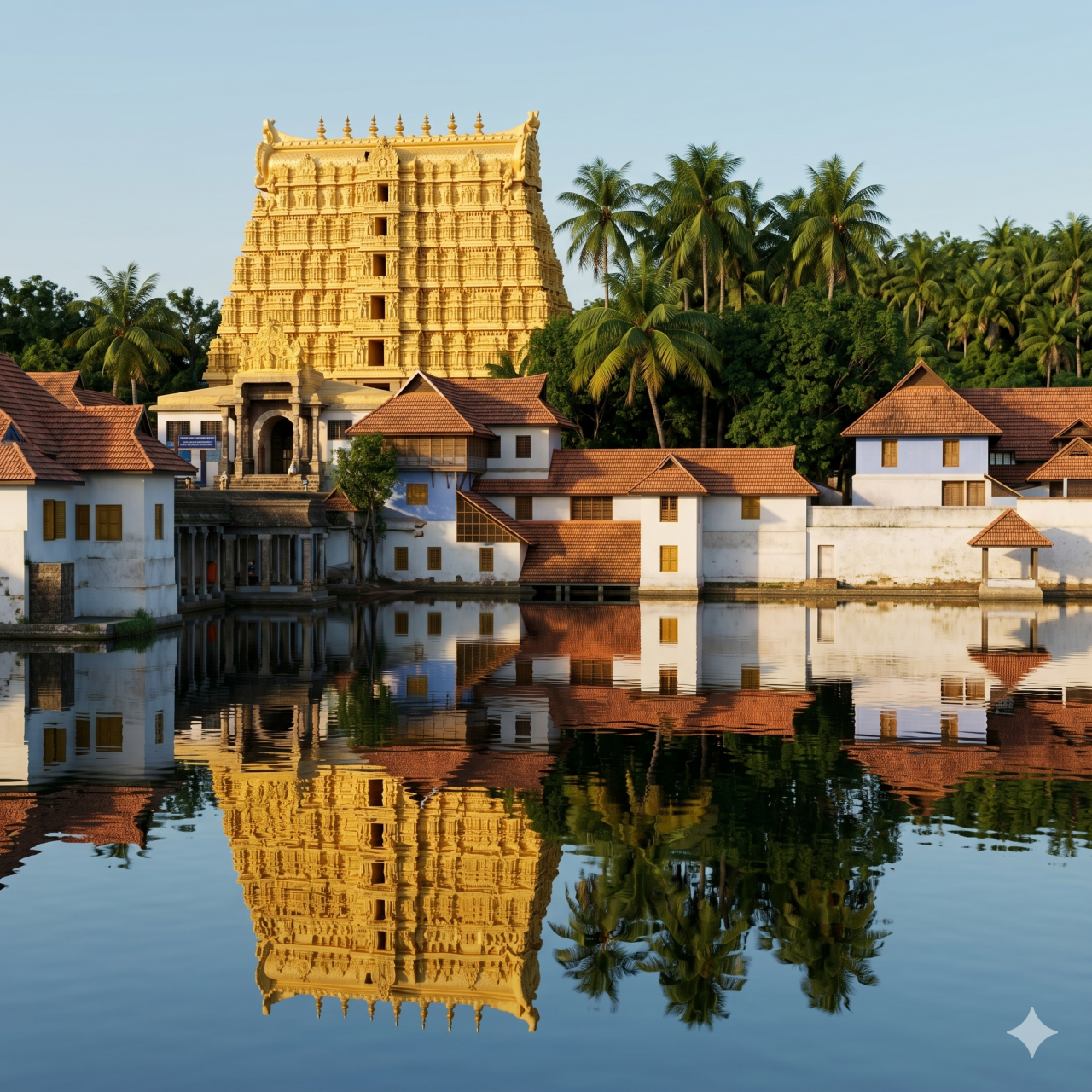
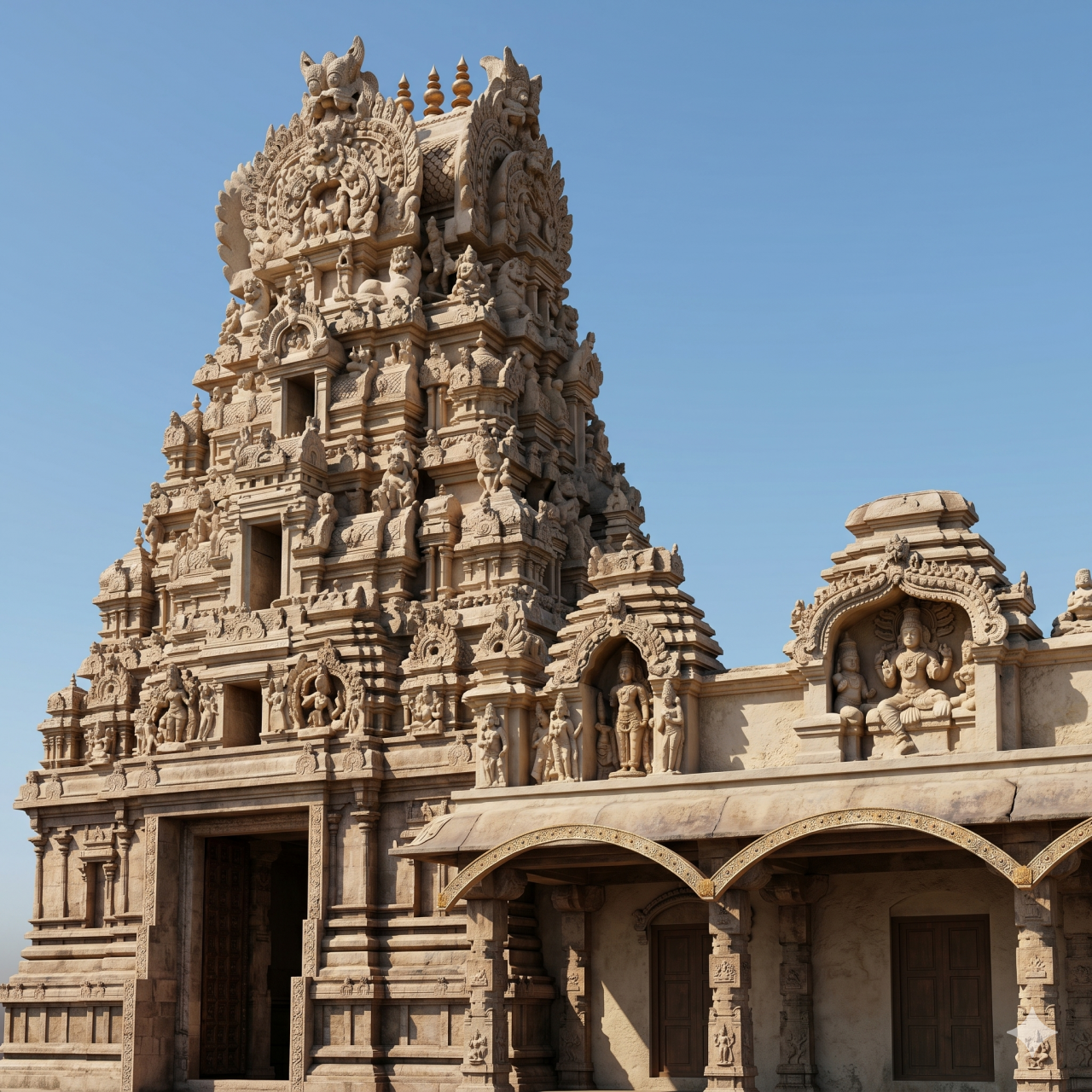
The Padmanabhaswamy Temple in Thiruvananthapuram, Kerala, India, is a monumental Hindu temple dedicated to Lord Vishnu. Renowned for its intricate Dravidian architecture and immense wealth, it is among the richest places of worship in the world and a key spiritual and cultural landmark of southern India.
Badrinath Temple is a major Hindu pilgrimage site located in the town of Badrinath, Uttarakhand, India. Dedicated to Lord Vishnu, it is one of the four sites in the revered Char Dham pilgrimage circuit and one of the 108 Divya Desams in Vaishnavite tradition. Its setting in the Himalayas gives it immense spiritual and cultural significance.
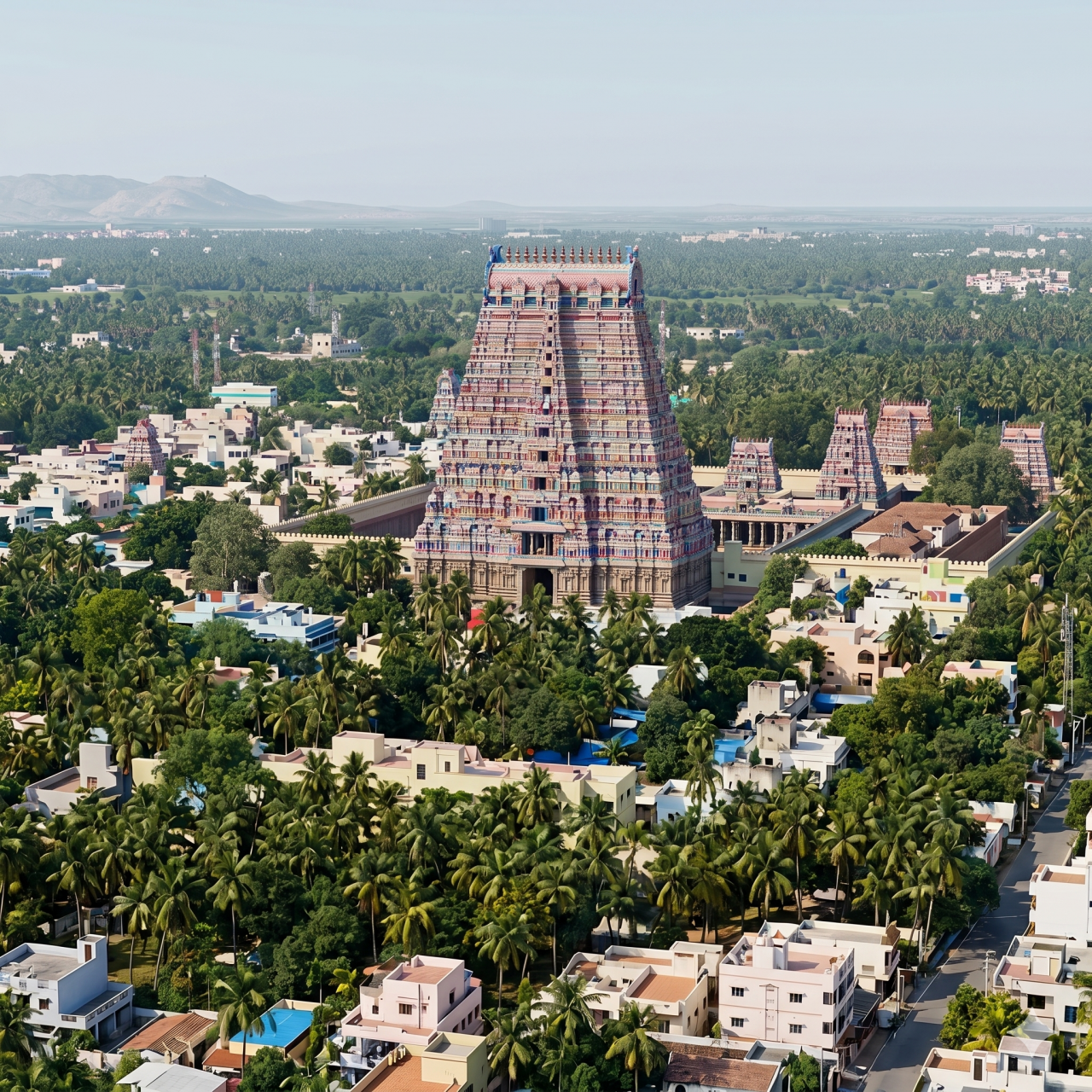
The Ranganathaswamy Temple in Srirangam, India, is one of the largest and most significant Hindu temple complexes dedicated to Lord Vishnu, worshipped here as Ranganatha, a reclining form of the deity. Revered as the foremost of the 108 Divya Desams, it is a major center of Sri Vaishnavism and a living heritage site.
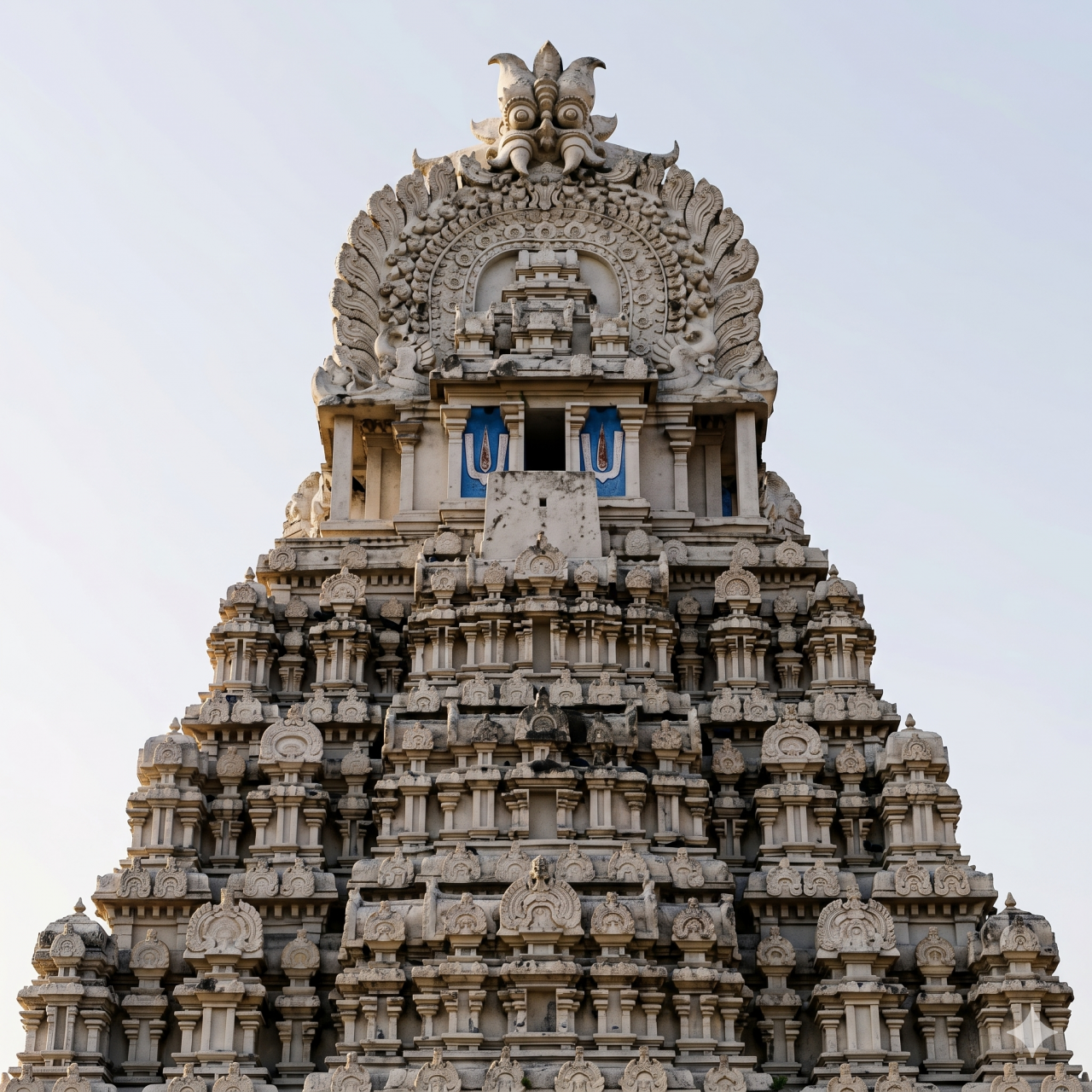
The Varadaraja Perumal Temple in Kanchipuram, Tamil Nadu, India, is a major Hindu shrine dedicated to Lord Vishnu, worshipped here as Varadaraja Perumal. It is one of the 108 Divya Desams revered in Vaishnavism and a key example of Dravidian temple architecture.
Sri Oppiliappan Temple is a Hindu temple located near Kumbakonam in Tamil Nadu, India, dedicated to Lord Vishnu in the form of Oppiliappan (also called Uppiliappan or Venkatachalapathy). It is one of the 108 Divya Desams, revered by the Alvar saints, and is renowned for its unique ritual practice of preparing offerings without salt.
Narayaniyam Temple is a Hindu shrine situated in Melkote, a historic temple town in Karnataka’s Mandya district. The temple is dedicated to the worship of Goddess Narayani and is an important site within Melkote’s broader religious landscape. It attracts pilgrims for its serenity and association with devotional traditions.
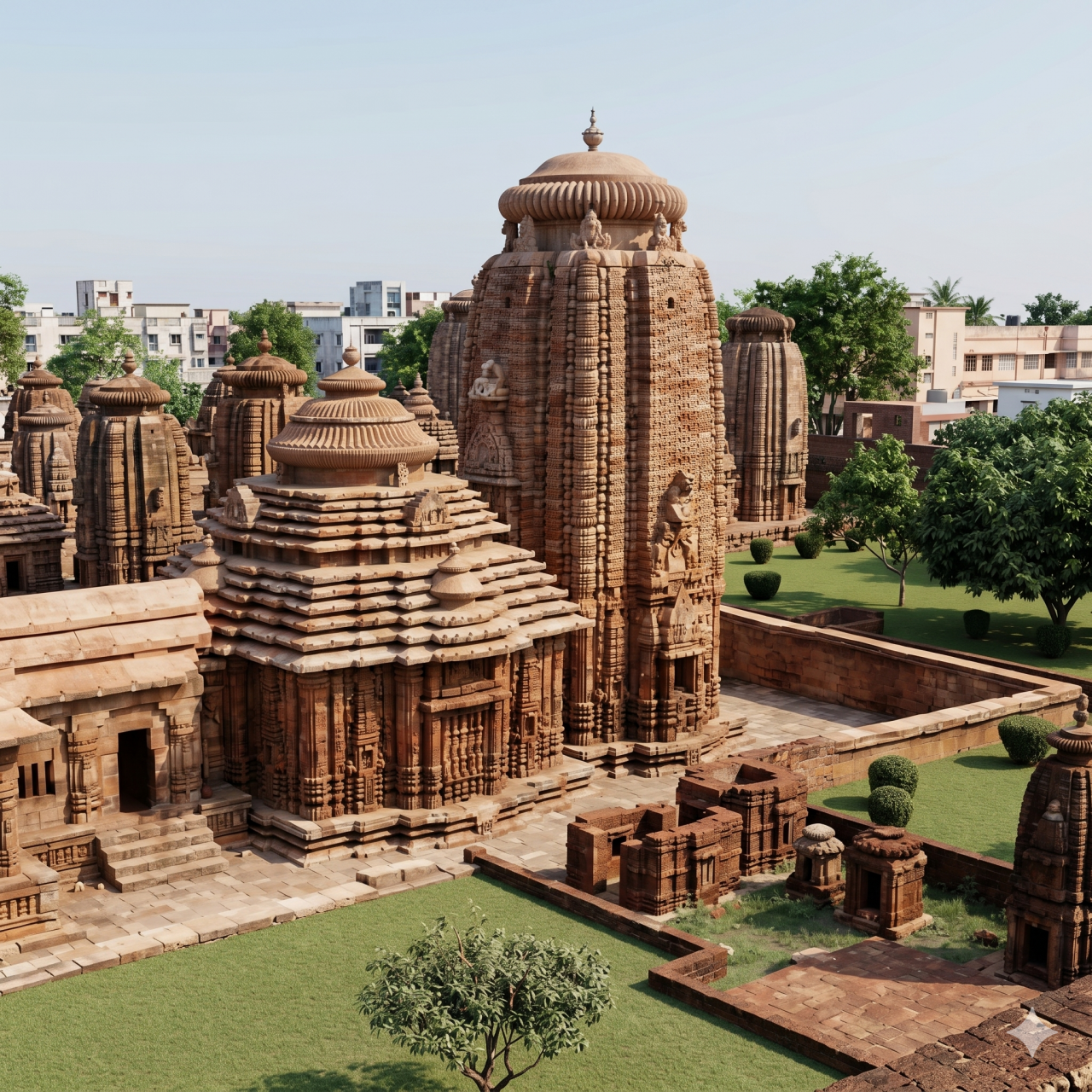
The Ananta Vasudeva Temple in Bhubaneswar, Odisha, is a 13th-century Hindu temple dedicated to Lord Vishnu in his Krishna form, flanked by Balarama and Subhadra. It stands on the eastern bank of the sacred Bindu Sarovar, serving as the city’s most prominent Vaishnavite shrine amid predominantly Shaivite temples.
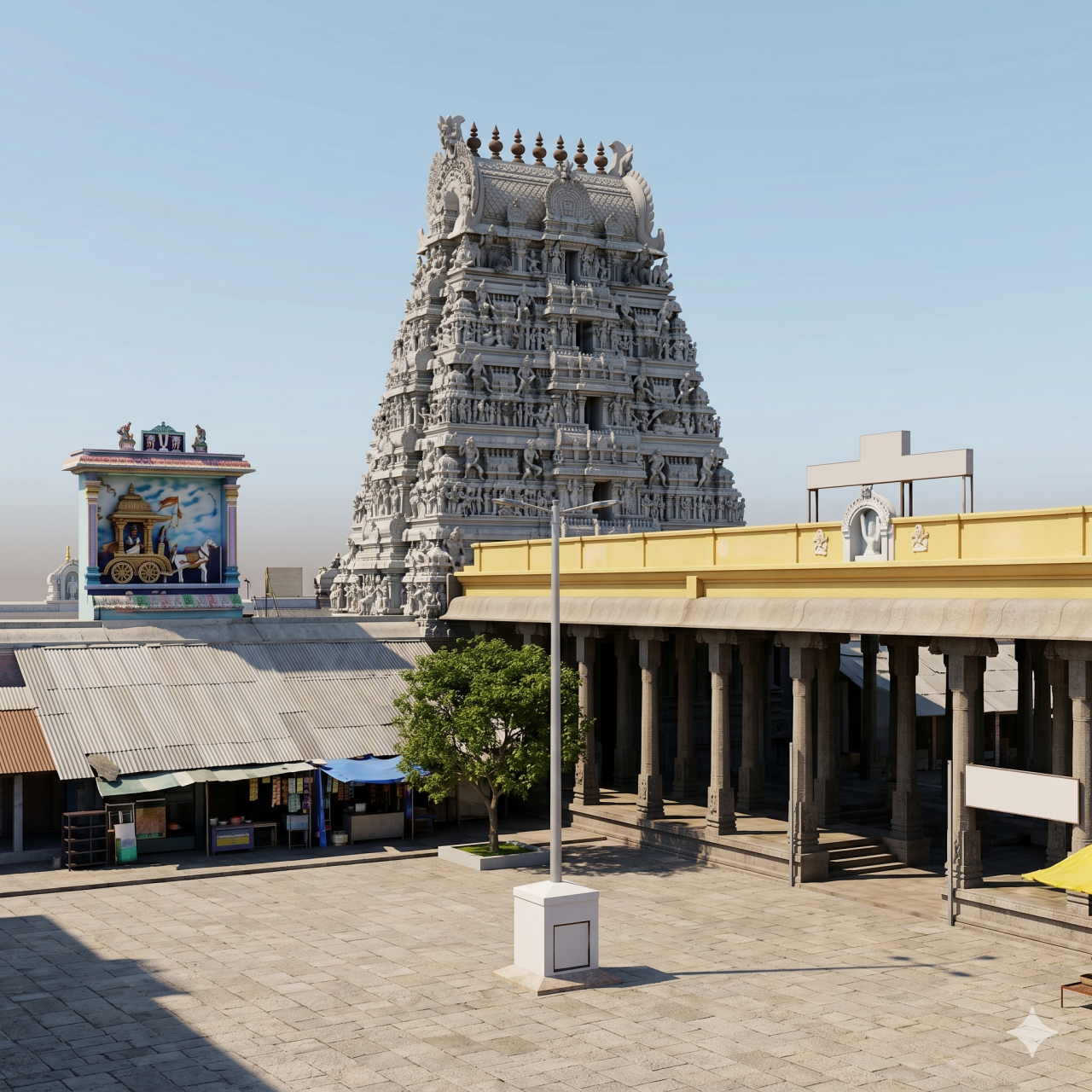
Parthasarathy Temple, located in Triplicane, Chennai, Tamil Nadu, is an ancient Hindu shrine dedicated to Lord Krishna in his role as Parthasarathy—the charioteer of Arjuna in the Mahabharata. Built under the Pallava dynasty, it stands among Chennai’s oldest monuments and is revered as one of the 108 Divya Desams of Vaishnavism.
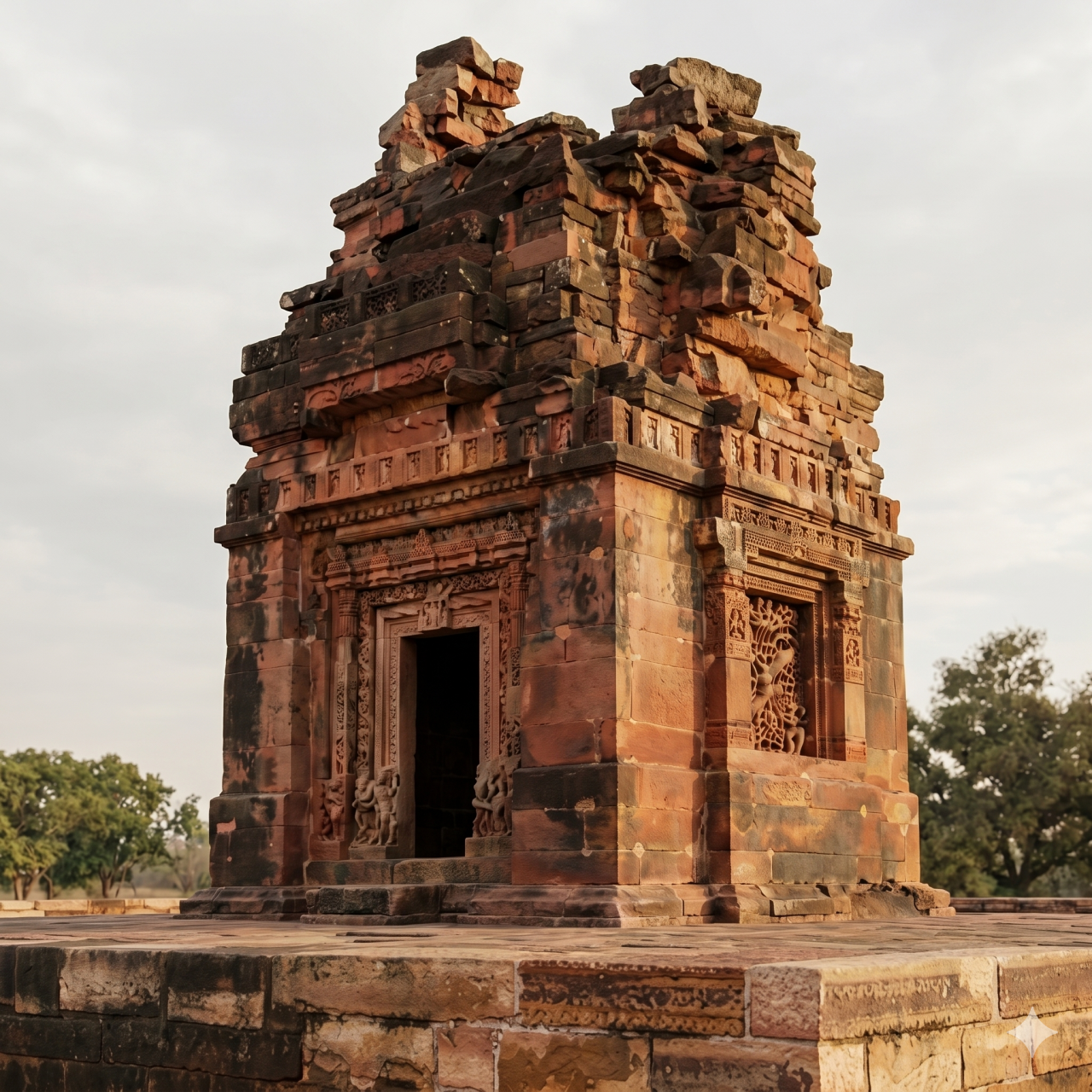
The Deogarh Dashavatara Temple, located in Deogarh, Uttar Pradesh, India, is one of the earliest known Hindu stone temples still standing substantially intact. Dedicated to Vishnu, it represents a pivotal example of Gupta-period temple architecture and iconography dating to the early 6th century CE.
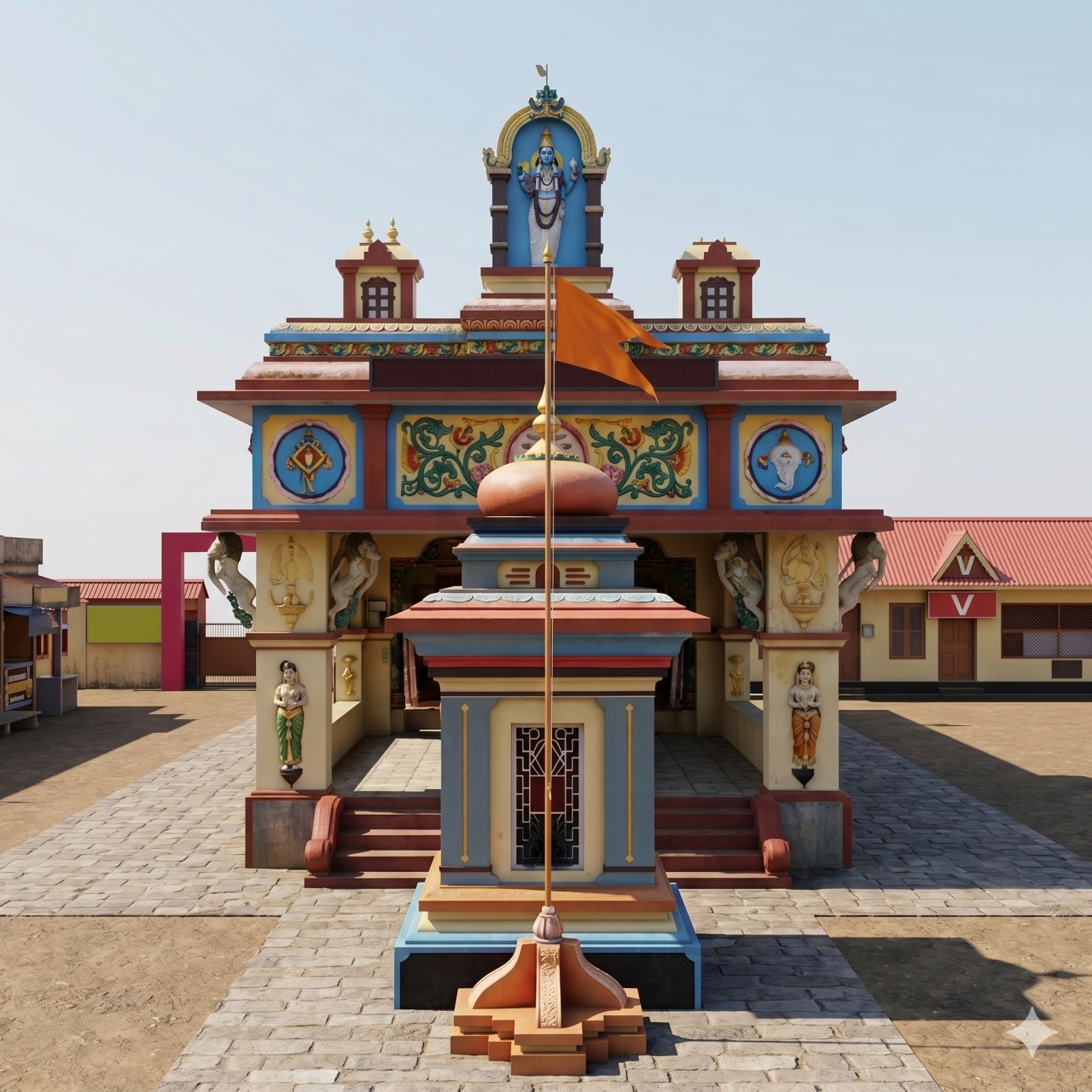
Sree Vallabha Temple is a revered Hindu temple dedicated to Lord Vishnu, located in Thiruvalla, Kerala, India. Renowned for its classical Kerala architecture and spiritual significance, it is one of the 108 Divya Desams (sacred Vishnu temples) revered in the Tamil Vaishnava tradition.