Goddess Lakshmi is also closely associated with the concept of auspicious beginnings and positive transformation. Whenever devotees embark on a new venture, whether it is starting a business, purchasing a home, entering into marriage, or beginning a new phase of life, prayers are often offered to Goddess Lakshmi for success, abundance, and protection. Her blessings are believed to remove financial obstacles while encouraging individuals to pursue their goals with honesty, patience, and dedication. In Hindu tradition, prosperity gained through righteous means is considered the highest form of wealth, and Goddess Lakshmi serves as the divine embodiment of this principle.
One of the most significant occasions dedicated to Goddess Lakshmi is Lakshmi Puja, celebrated during the festival of Diwali. On this auspicious day, families thoroughly clean and decorate their homes with colorful rangoli designs, flowers, lamps, and candles to welcome the goddess. Entrances are often adorned with symbolic footprints representing Goddess Lakshmi entering the household. Devotees perform elaborate rituals, offer sweets, fruits, flowers, incense, and coins, and recite sacred hymns such as the Lakshmi Ashtottara Shatanamavali, Lakshmi Sahasranama, Sri Sukta, and Kanakadhara Stotram. It is believed that sincere worship on this sacred night invites lasting prosperity, peace, happiness, and spiritual fulfillment.
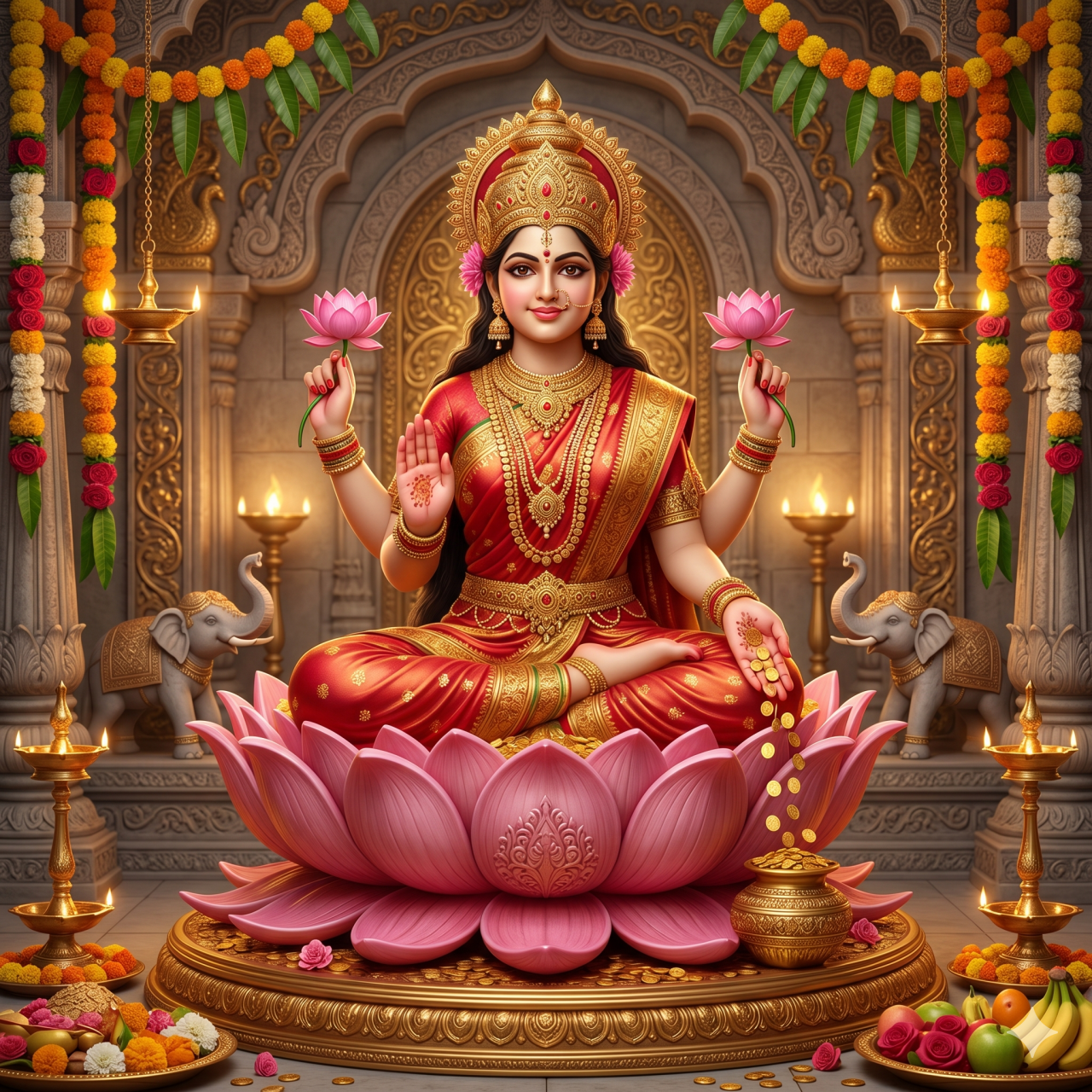
The symbolism found in the iconography of Goddess Lakshmi carries profound spiritual significance. The lotus flower upon which she sits represents purity that remains untouched despite growing in muddy waters, teaching devotees to remain virtuous regardless of worldly challenges. The elephants frequently shown beside her symbolize royal authority, wisdom, strength, stability, and the blessings of timely rainfall, which is essential for agricultural prosperity. These elephants are often depicted showering water over Lakshmi, representing continuous blessings, purification, and abundance flowing into the lives of those who practice righteousness and compassion.
The red sari traditionally worn by Goddess Lakshmi signifies energy, activity, and prosperity, while the golden ornaments adorning her symbolize divine wealth and spiritual radiance. Every aspect of her appearance reflects both material abundance and higher consciousness. Her serene facial expression reminds devotees that genuine happiness comes from inner contentment rather than external possessions alone. Thus, Goddess Lakshmi represents the perfect harmony between spiritual wisdom and material success.
The four hands of Goddess Lakshmi hold deep philosophical meaning beyond their symbolic association with Dharma, Artha, Kama, and Moksha. Together they emphasize that a balanced human life should pursue wealth and desires within the framework of righteousness while ultimately striving for spiritual liberation. This timeless teaching encourages people to earn wealth ethically, enjoy life's blessings responsibly, fulfill their duties toward family and society, and maintain devotion to the Divine.
In many Hindu households, Goddess Lakshmi is worshipped alongside Lord Ganesha. While Lord Ganesha removes obstacles and grants wisdom, Goddess Lakshmi bestows prosperity and abundance. Their combined worship symbolizes the understanding that wealth should always be accompanied by intelligence, humility, and sound judgment. Without wisdom, wealth may lead to pride and attachment, whereas wisdom combined with prosperity creates opportunities for generosity, service, and lasting happiness.
The worship of Goddess Lakshmi extends far beyond India and is celebrated in numerous countries where Hindu culture has flourished. Temples dedicated to Goddess Lakshmi can be found in Nepal, Sri Lanka, Indonesia, Malaysia, Singapore, Mauritius, Fiji, Trinidad and Tobago, Guyana, South Africa, the United Kingdom, the United States, Canada, Australia, and many other parts of the world. Millions of devotees continue to preserve ancient traditions while adapting them to modern lifestyles, demonstrating the universal appeal of Goddess Lakshmi's teachings on prosperity, compassion, and ethical living.
Ancient Hindu scriptures describe Goddess Lakshmi as the eternal source of all forms of abundance. The Vedas, Puranas, Mahabharata, Ramayana, Vishnu Purana, Padma Purana, Bhagavata Purana, and other sacred texts praise her divine qualities and explain her inseparable relationship with Lord Vishnu. Whenever Lord Vishnu incarnates on Earth to restore righteousness, Goddess Lakshmi accompanies him in various divine forms. She appeared as Sita alongside Lord Rama, as Rukmini alongside Lord Krishna, and in several other manifestations that demonstrate her eternal role in preserving cosmic balance.
The qualities represented by Goddess Lakshmi inspire people to cultivate virtues that lead to sustainable prosperity. She encourages honesty in business, fairness in trade, generosity toward those in need, respect for elders, gratitude for life's blessings, and compassion toward all living beings. According to Hindu philosophy, wealth acquired through deceit or exploitation cannot bring lasting happiness because true prosperity includes peace of mind, good health, loving relationships, knowledge, and spiritual growth.
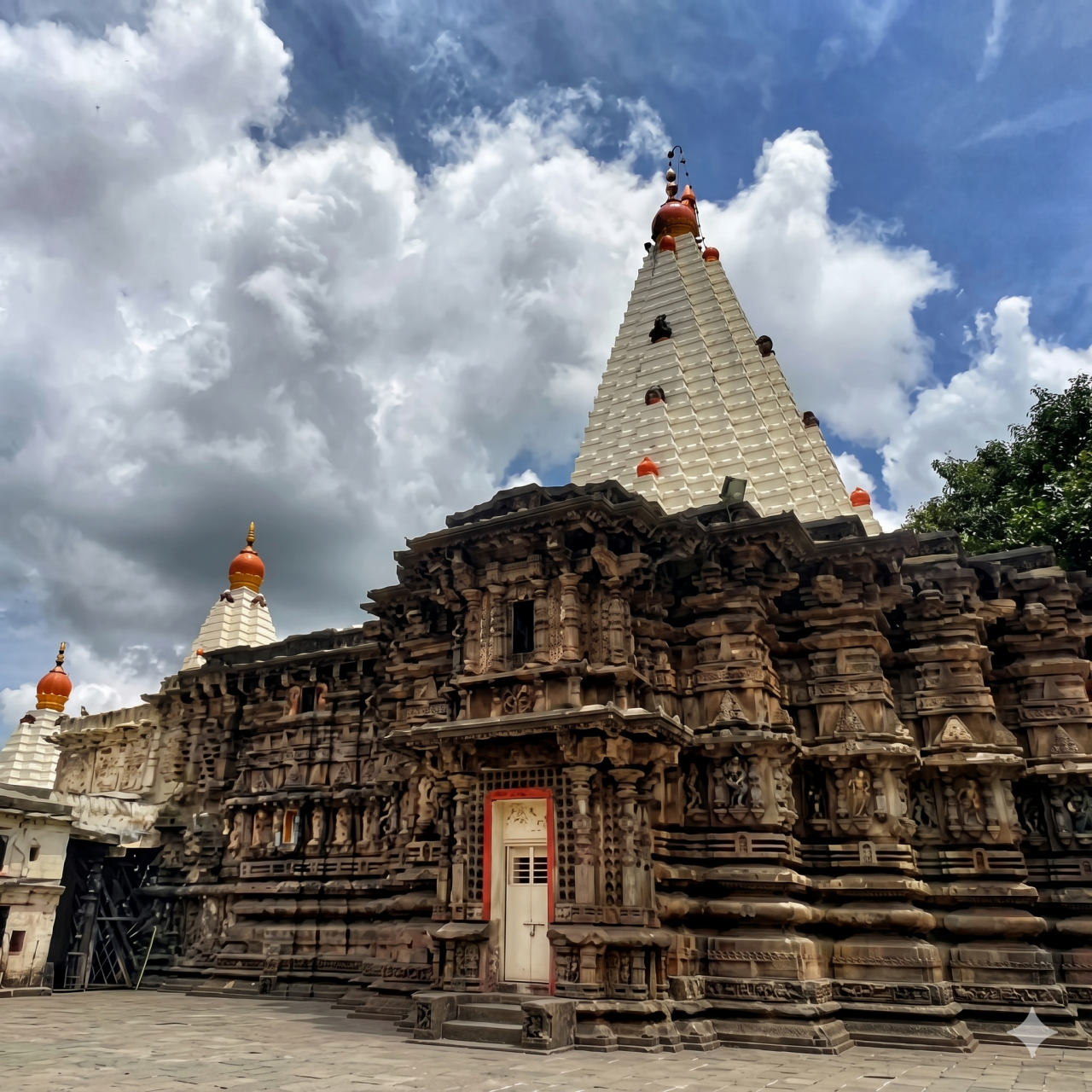
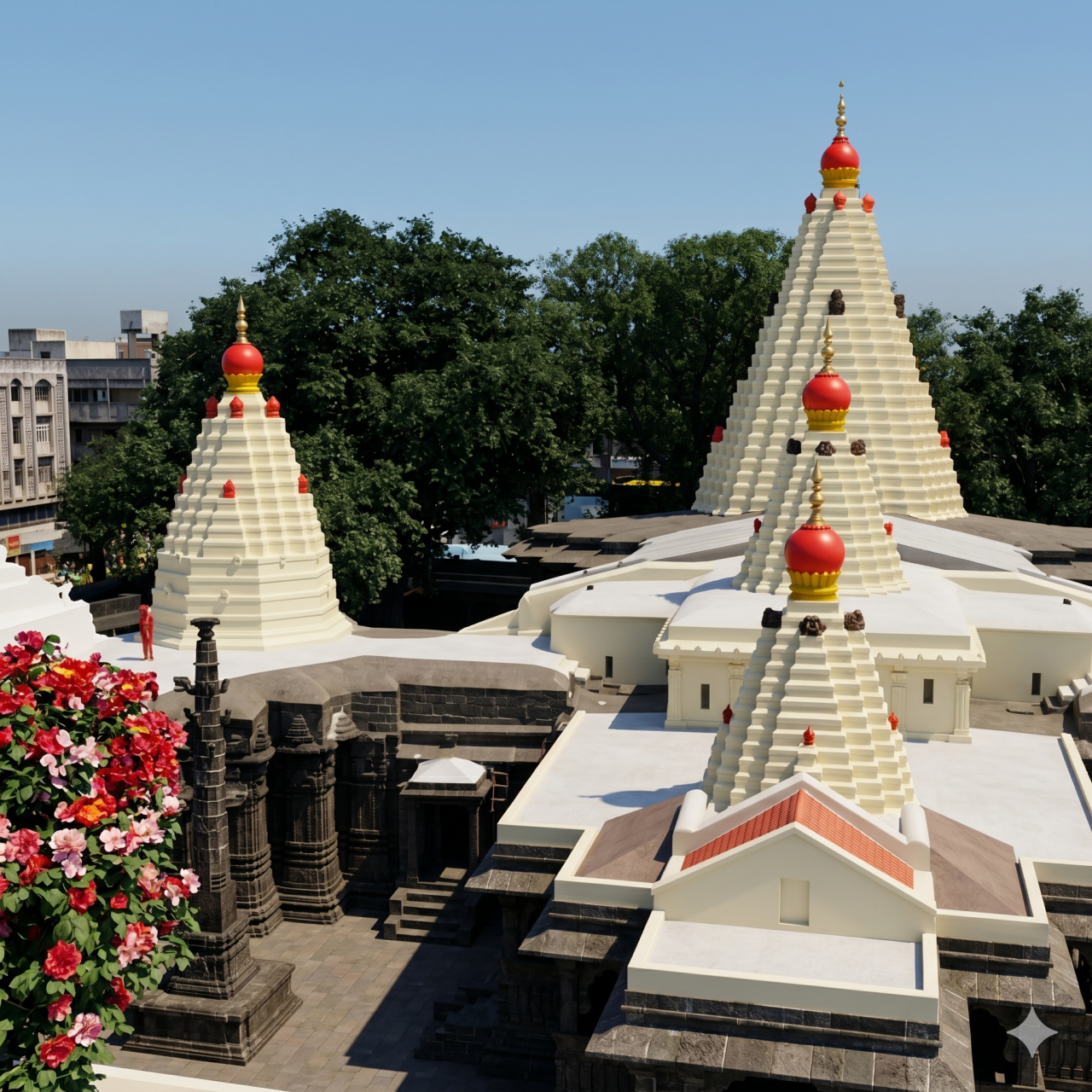
The Mahalakshmi Temple in Kolhapur, Maharashtra, India, is a major Hindu pilgrimage site dedicated to Goddess Mahalakshmi, also known as Ambabai. It is one of the six revered sites of the Shakti Peethas and holds immense religious significance in Hinduism as a center of spiritual and architectural heritage.
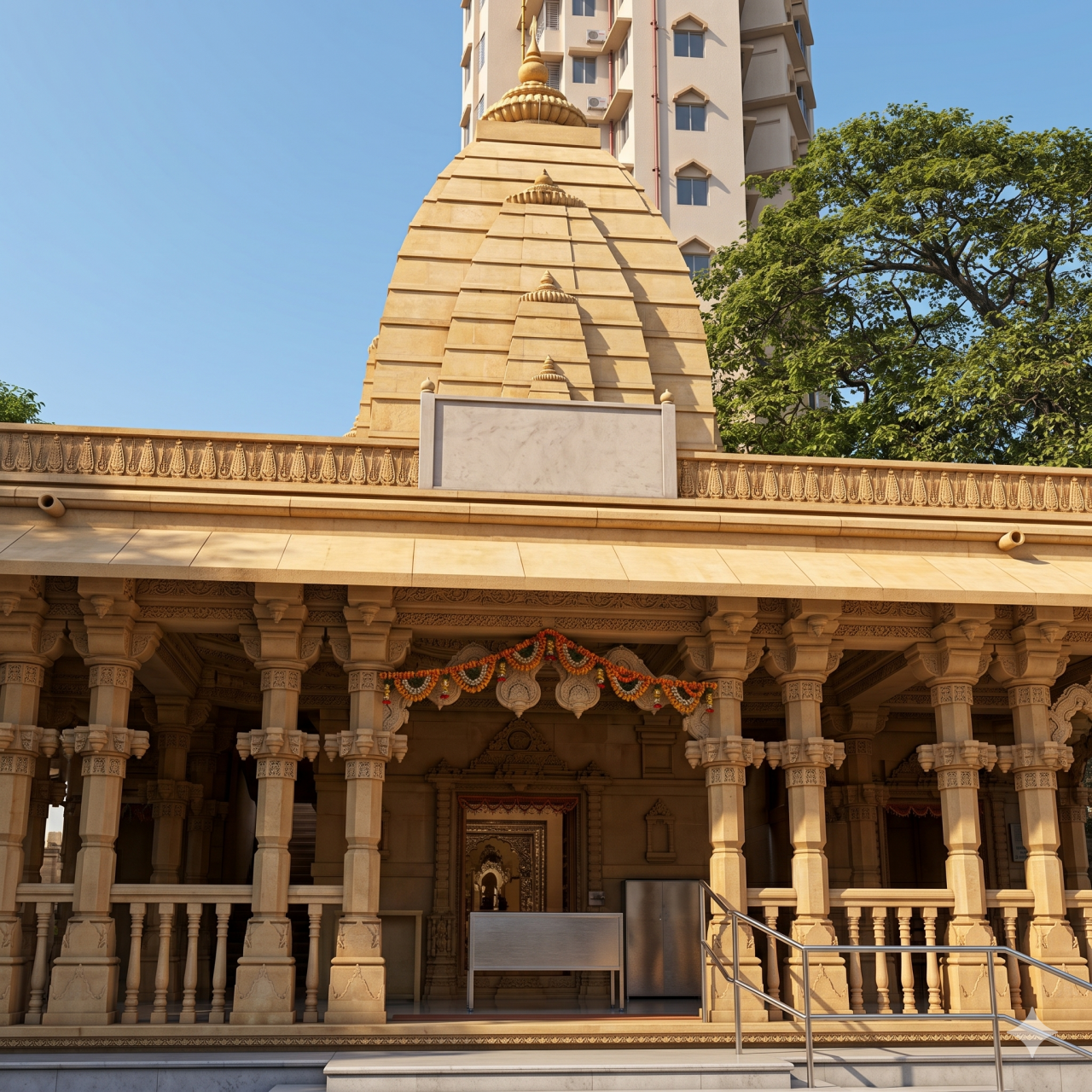
The Mahalakshmi Temple in Mumbai, Maharashtra, India, is a historic Hindu shrine dedicated to the goddess Mahalakshmi, revered as the deity of wealth and prosperity. Situated on the seashore along Bhulabhai Desai Road, it is one of Mumbai’s most important and oldest temples, attracting thousands of devotees daily.
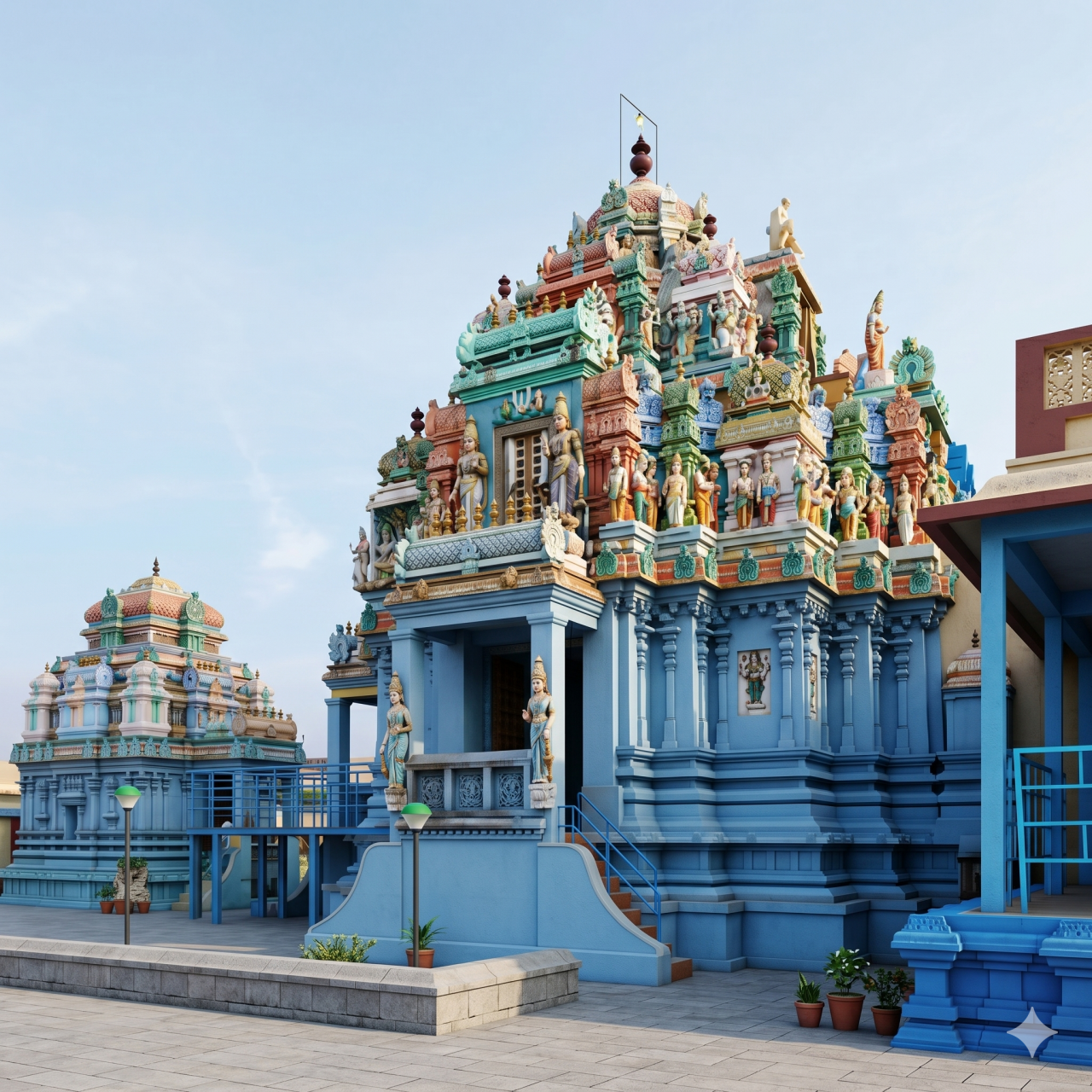
The Ashtalakshmi Temple in Besant Nagar, Chennai, Tamil Nadu, is a Hindu temple dedicated to Goddess Lakshmi in her eight forms, known collectively as the Ashtalakshmi. Overlooking the Bay of Bengal near Elliot’s Beach, it is one of the few temples on India’s east coast solely devoted to the goddess of wealth and prosperity. The temple is a major spiritual and architectural landmark of Chennai.
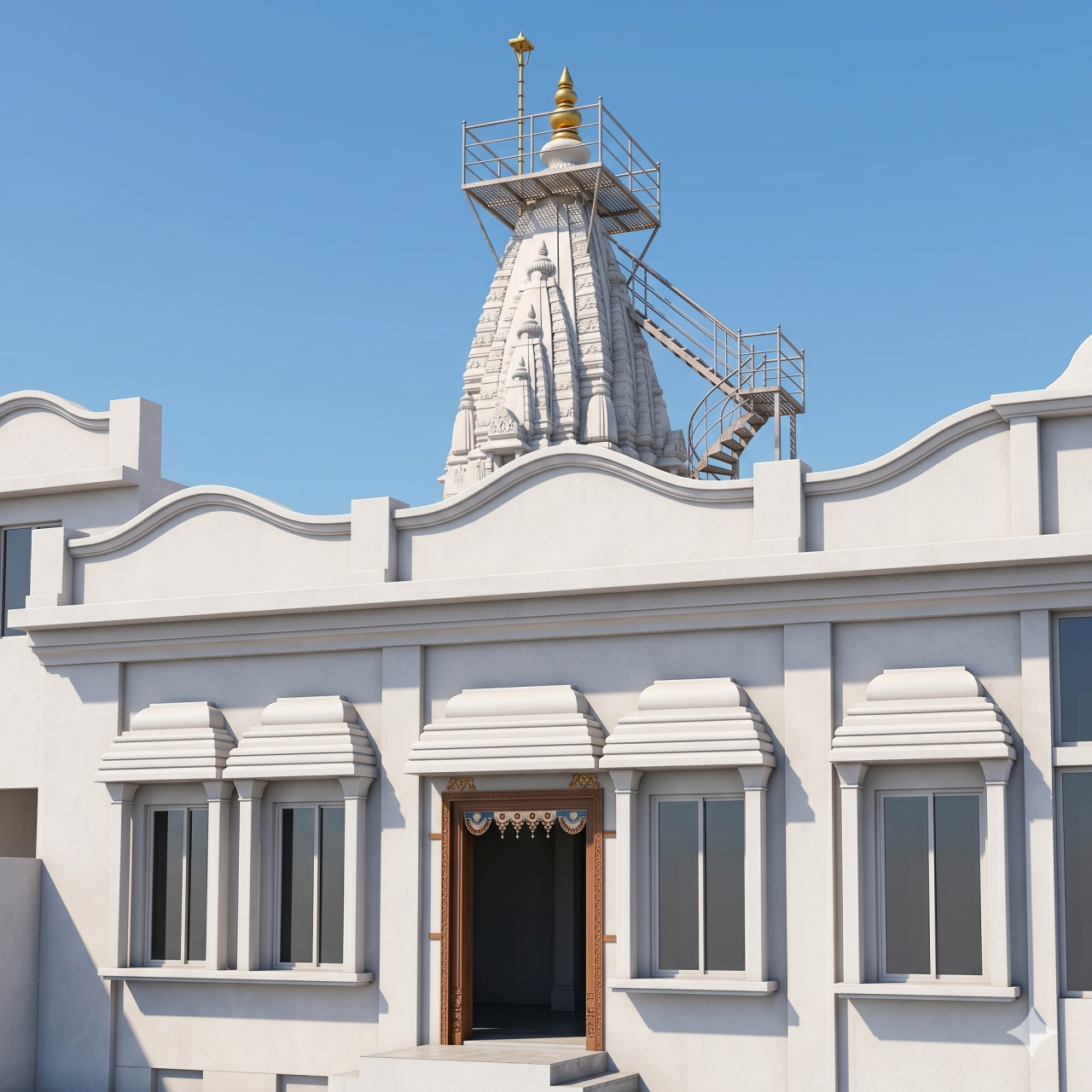
The Mahalakshmi Temple in Indore, Madhya Pradesh, is a Hindu temple dedicated to Goddess Mahalakshmi, the deity of wealth and prosperity. It serves as a significant spiritual and cultural landmark for the city, attracting devotees especially during major Hindu festivals.
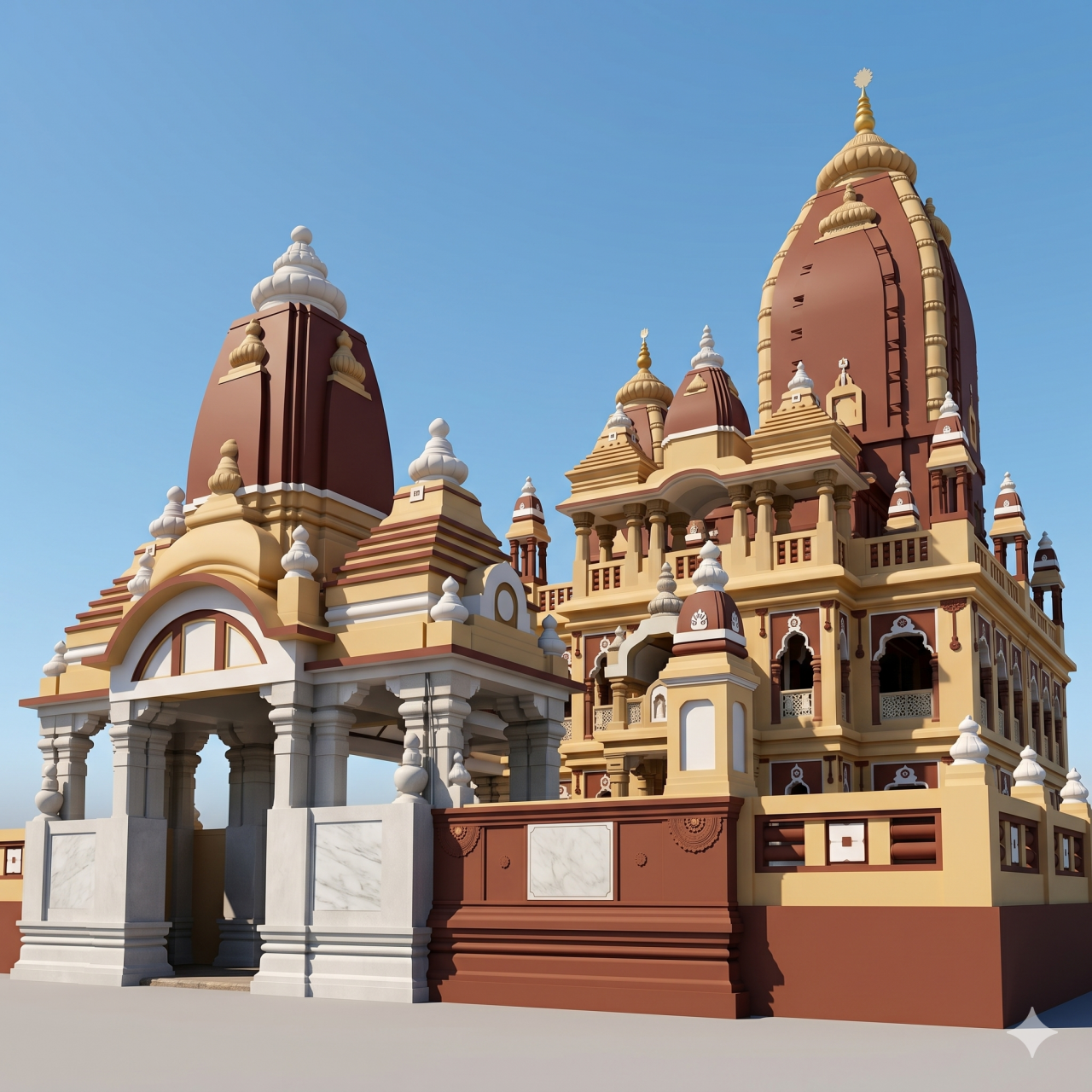
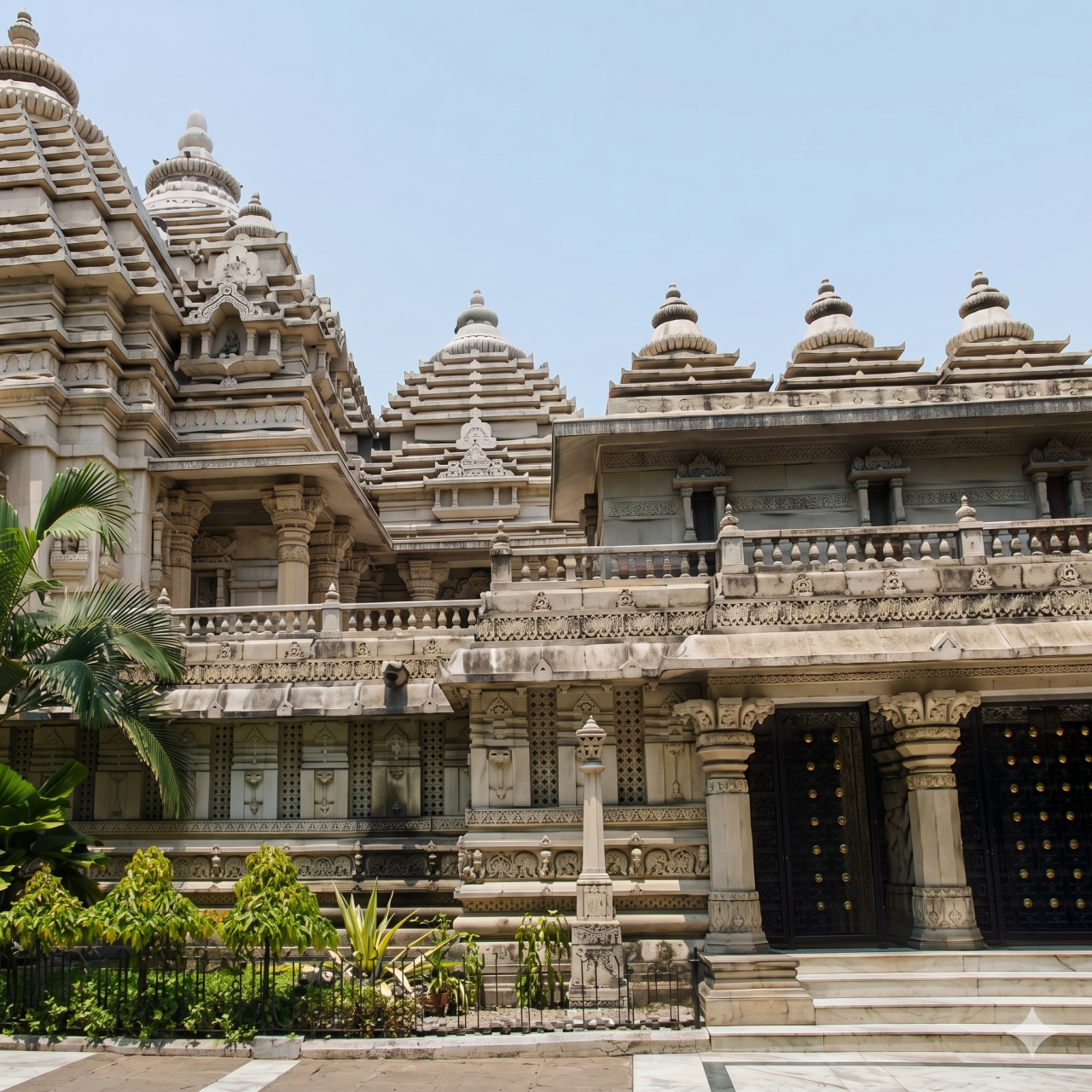
The Lakshmi Narayan Temple, popularly known as Birla Mandir, is a major Hindu temple in New Delhi, India, dedicated to Lord Vishnu (Narayan) and Goddess Lakshmi. Inaugurated in 1939, it was one of the first large Hindu temples built in Delhi in modern times and remains a prominent landmark and pilgrimage site.
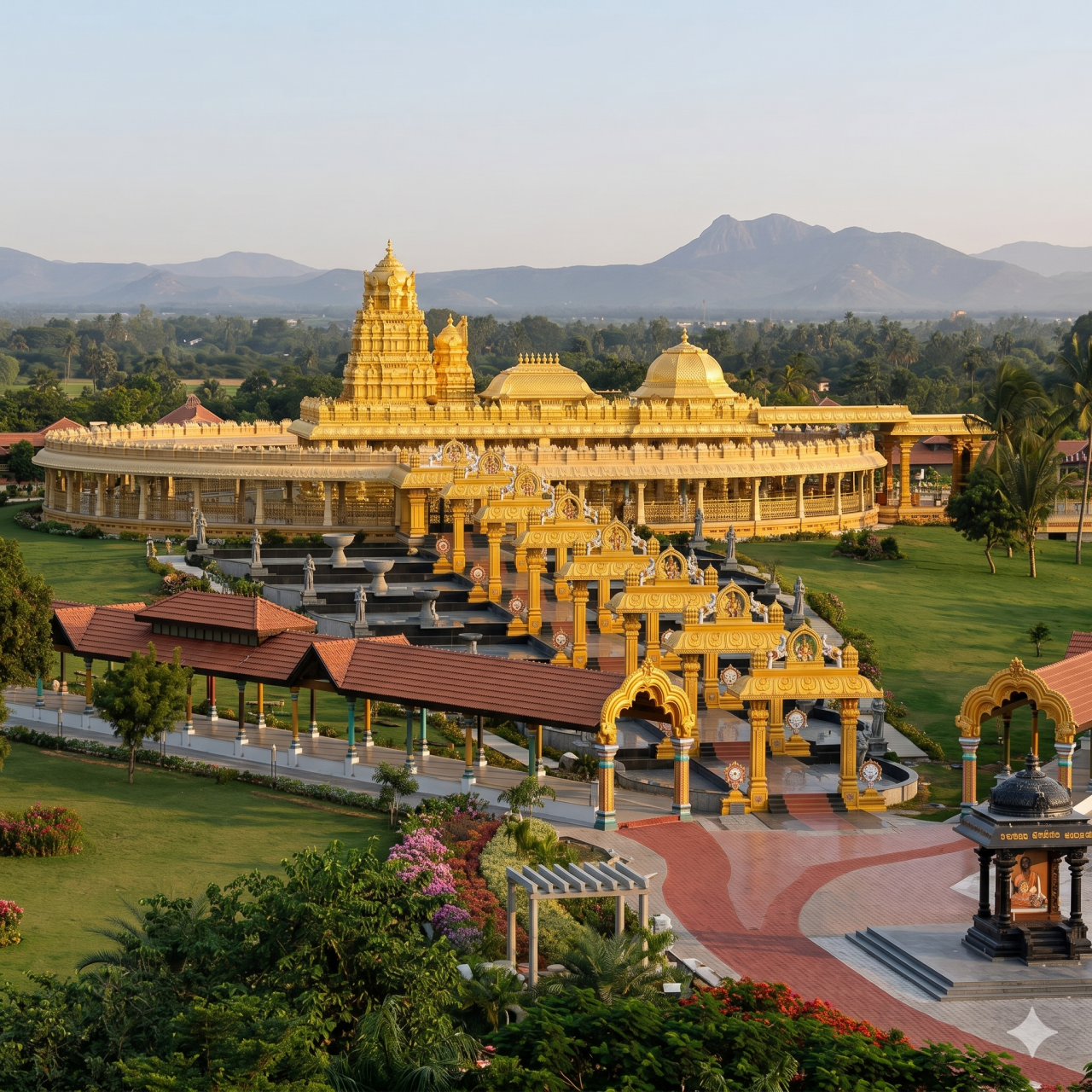
The Lakshmi Narayani Temple, also known as the Golden Temple, is a Hindu spiritual landmark located in Vellore, India. Renowned for its extensive gold plating and intricate craftsmanship, it serves as a major pilgrimage and tourist attraction in southern India. The temple is dedicated to Goddess Lakshmi Narayani, symbolizing wealth and prosperity.
Varalakshmi Temple in Hyderabad, Telangana, India, is a Hindu temple dedicated to Goddess Varalakshmi, an aspect of Goddess Lakshmi associated with prosperity and well-being. It serves as a prominent site for worship and celebration, especially during the Varalakshmi Vratam festival, attracting devotees from across the city.
The Lakshmi Narayan Temple, also known as Birla Mandir, is a prominent Hindu temple situated at the base of Moti Dungri Hill in Jaipur, Rajasthan, India. Built in the 20th century by the industrialist Birla family, it is dedicated to Lord Vishnu (Narayan) and Goddess Lakshmi, symbols of preservation and prosperity.
Tarapith Temple is a prominent Hindu pilgrimage site in Birbhum district, West Bengal, India, dedicated to Goddess Tara, a form of the Divine Mother in Shaktism. Renowned for its tantric associations, it attracts devotees seeking spiritual blessings and esoteric knowledge.
The Padmavathi Temple, also known as the Alamelumangapuram Temple, is a revered Hindu shrine located in Tiruchanur, near Tirupati in Andhra Pradesh, India. Dedicated to Goddess Padmavathi, the consort of Lord Venkateswara, it forms an integral part of the Tirupati pilgrimage circuit and is among South India’s most visited temples.
The Sri Lakshmi Kuber Temple in Kanipakam, Andhra Pradesh, India, is a prominent Hindu shrine dedicated to Goddess Lakshmi and Lord Kubera, deities symbolizing wealth and prosperity. Located near the famous Varasiddhi Vinayaka Swamy Temple, it attracts pilgrims seeking blessings for financial well-being and fortune.
The Mahalakshmi Temple in Pune, Maharashtra, India, is a Hindu shrine dedicated to Goddess Mahalakshmi, the deity of wealth, prosperity, and fortune. It is a revered place of worship for devotees across Pune, blending spiritual heritage with intricate temple architecture that reflects traditional Indian design.
Lakshmi Narayan Temple, also known as Birla Mandir, is a prominent Hindu shrine in Bhopal, Madhya Pradesh, India. Dedicated to Goddess Lakshmi and Lord Vishnu (Narayan), it is noted for its elevated position overlooking the city and its serene views of the Upper Lake. The temple is both a spiritual and architectural landmark of Bhopal.
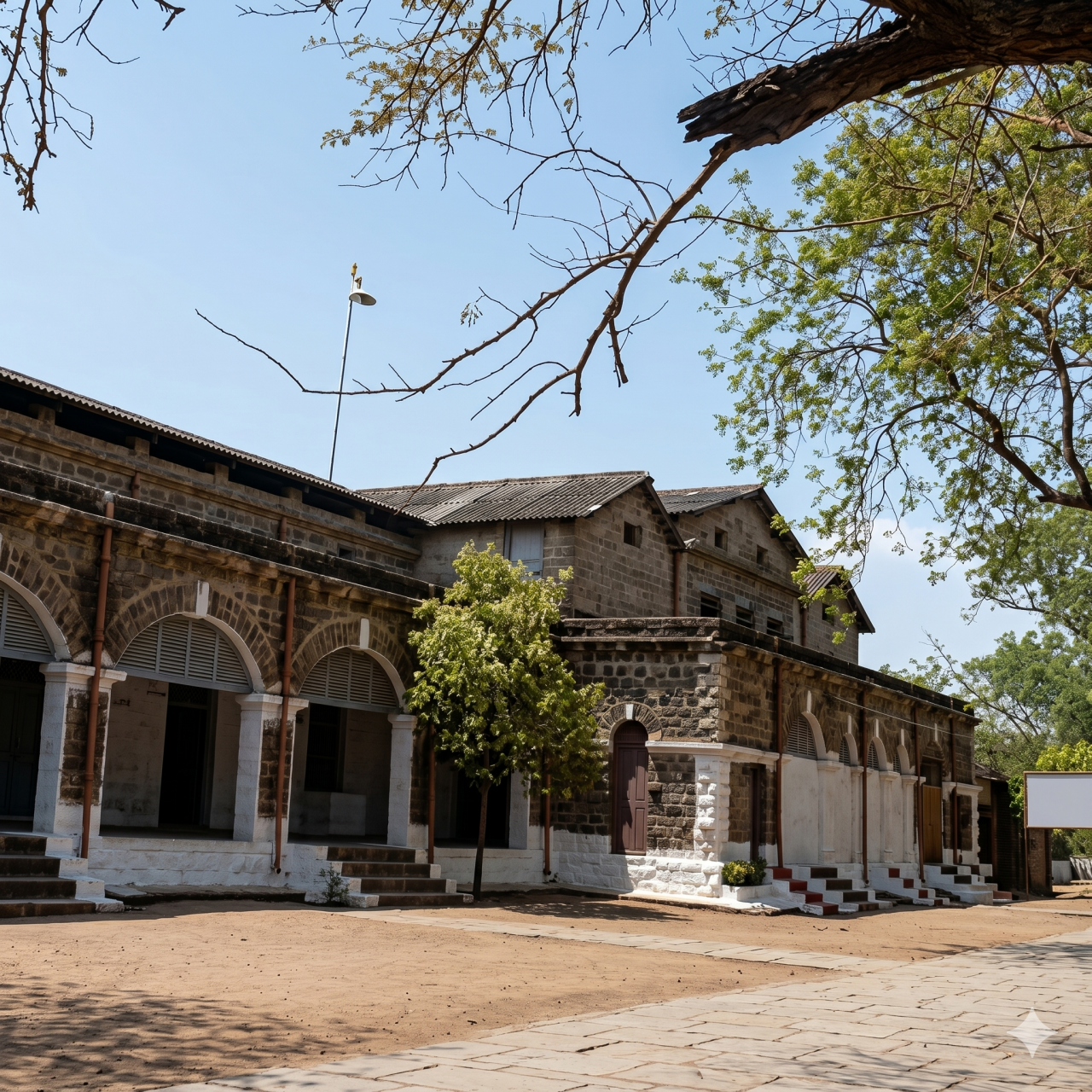
The Mahalakshmi Temple in Wardha, Maharashtra, India, is a revered Hindu shrin e dedicated to Goddess Mahalakshmi, the deity of wealth and prosperity. It serves as a prominent spiritual and cultural landmark for the region, drawing pilgrims and local devotees year-round.
Lakshmi Narayan Temple in Puri, Odisha, India, is a Hindu temple dedicated to Lord Vishnu (as Narayan) and Goddess Lakshmi. It holds religious significance for devotees visiting the sacred city of Puri, complementing the famed Jagannath Temple. The temple exemplifies traditional Odishan temple architecture and contributes to Puri’s spiritual and cultural landscape.
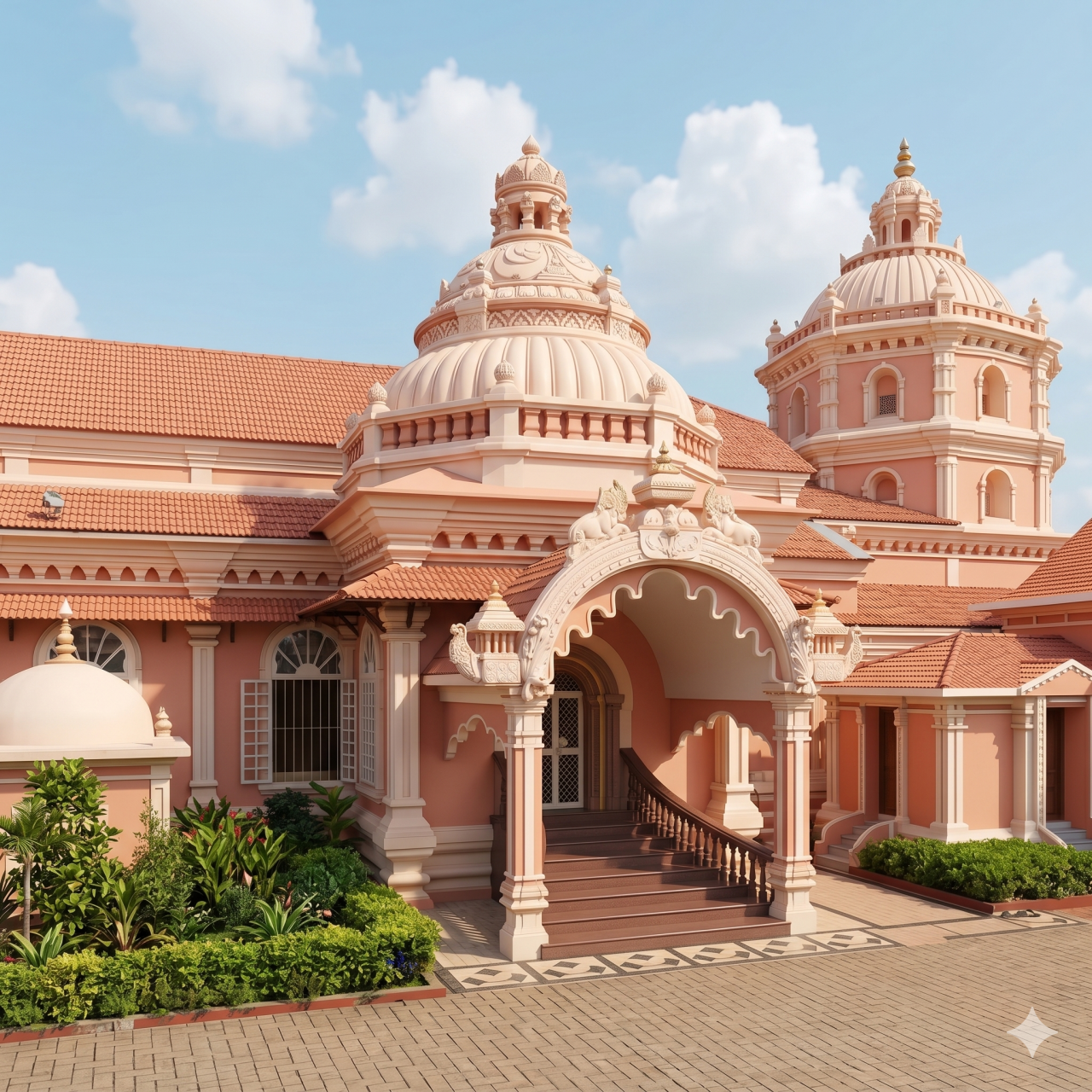
The Mahalakshmi Temple in Goa, India, is a revered Hindu shrine dedicated to Goddess Mahalakshmi, the consort of Lord Vishnu and goddess of wealth and prosperity. Located in Panaji, it is among the oldest and most significant temples for the Goan Hindu community, symbolizing resilience through centuries of religious and cultural change.
The Lakshmi Narayan Temple, also known as the Birla Mandir, is a prominent Hindu temple located in Kolkata, West Bengal, India. Dedicated to Lord Vishnu (Narayan) and Goddess Lakshmi, it is one of the city’s most visited spiritual and architectural landmarks.
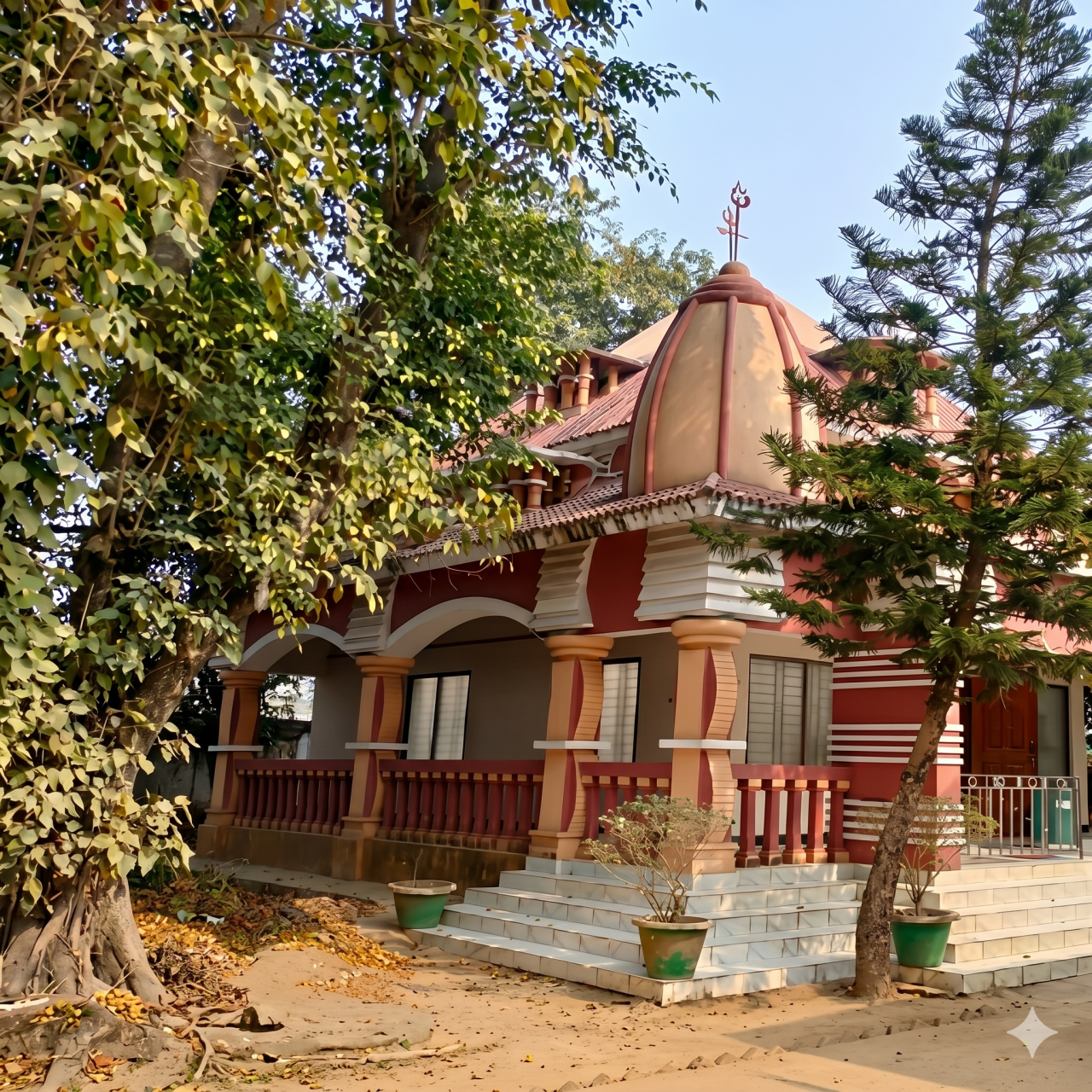
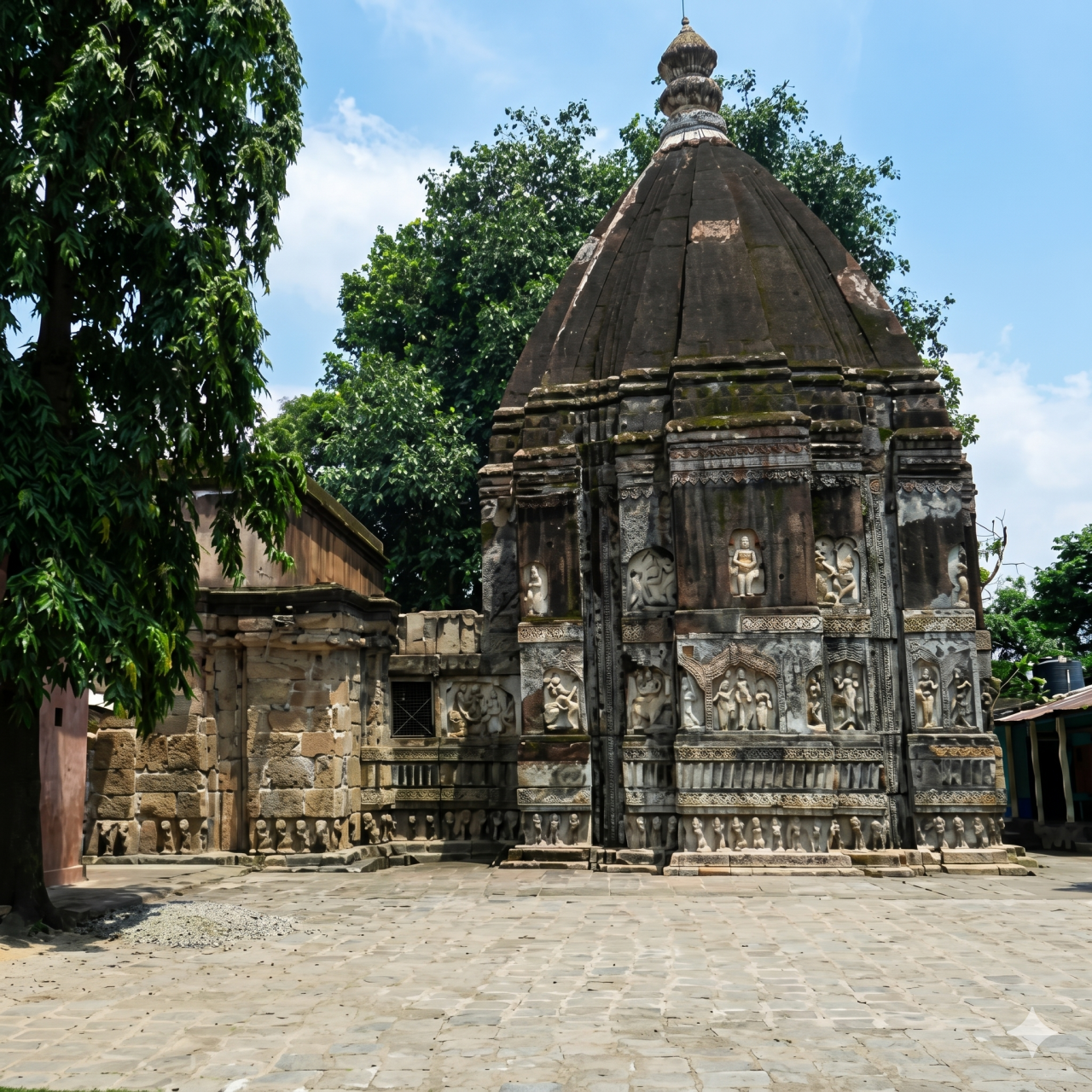
The Mahalakshmi Temple in Dhubri, Assam, is a revered Hindu shrine dedicated to Goddess Mahalakshmi, the deity of wealth and prosperity. It is one of the most significant religious sites in western Assam, attracting thousands of devotees, especially during Diwali and other major festivals.
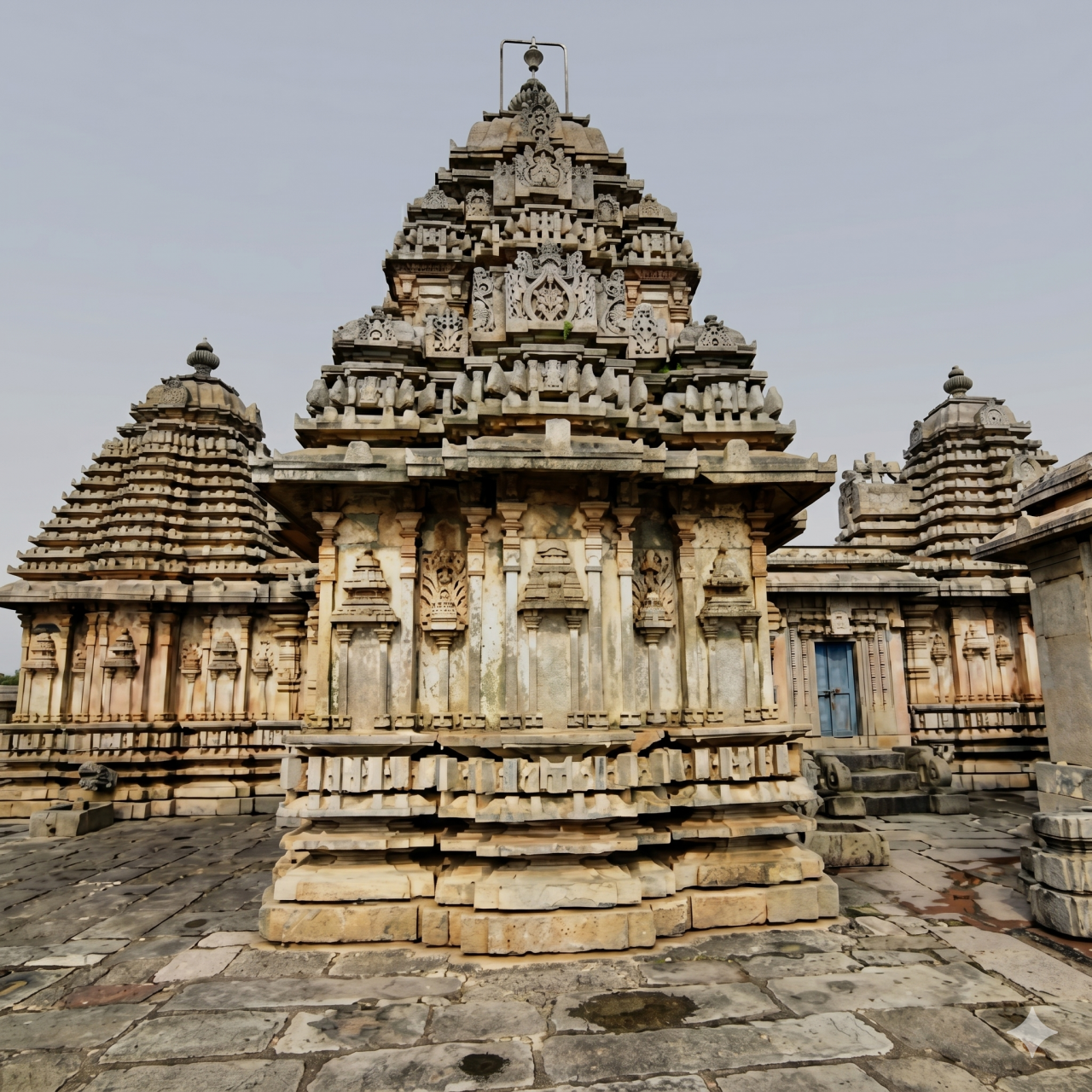
The Lakshmi Devi Temple in Doddagaddavalli, Karnataka, India, is one of the earliest known stone temples of the Hoysala Empire. Built in the early 12th century, it exemplifies the evolving Hoysala architectural style before the dynasty’s later ornate masterpieces, making it a key site in South Indian temple history.
The Lakshmi Narayan Temple in Nagpur, Maharashtra, India, also known locally as the Tekdi Mandir, is a revered Hindu temple dedicated to Lord Vishnu (Narayan) and Goddess Lakshmi. Situated near the Sitabuldi Fort, it is one of Nagpur’s most prominent spiritual and tourist landmarks.
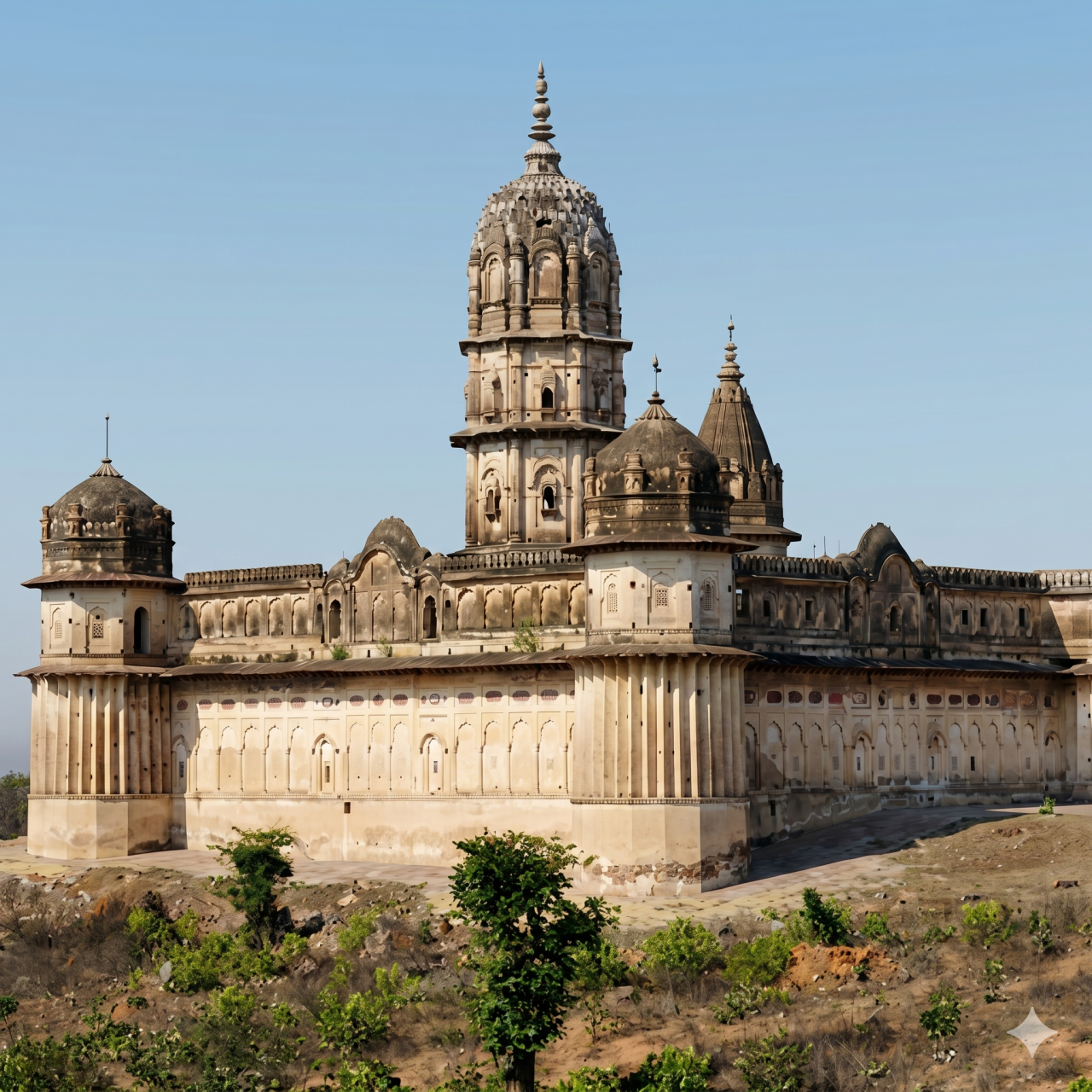
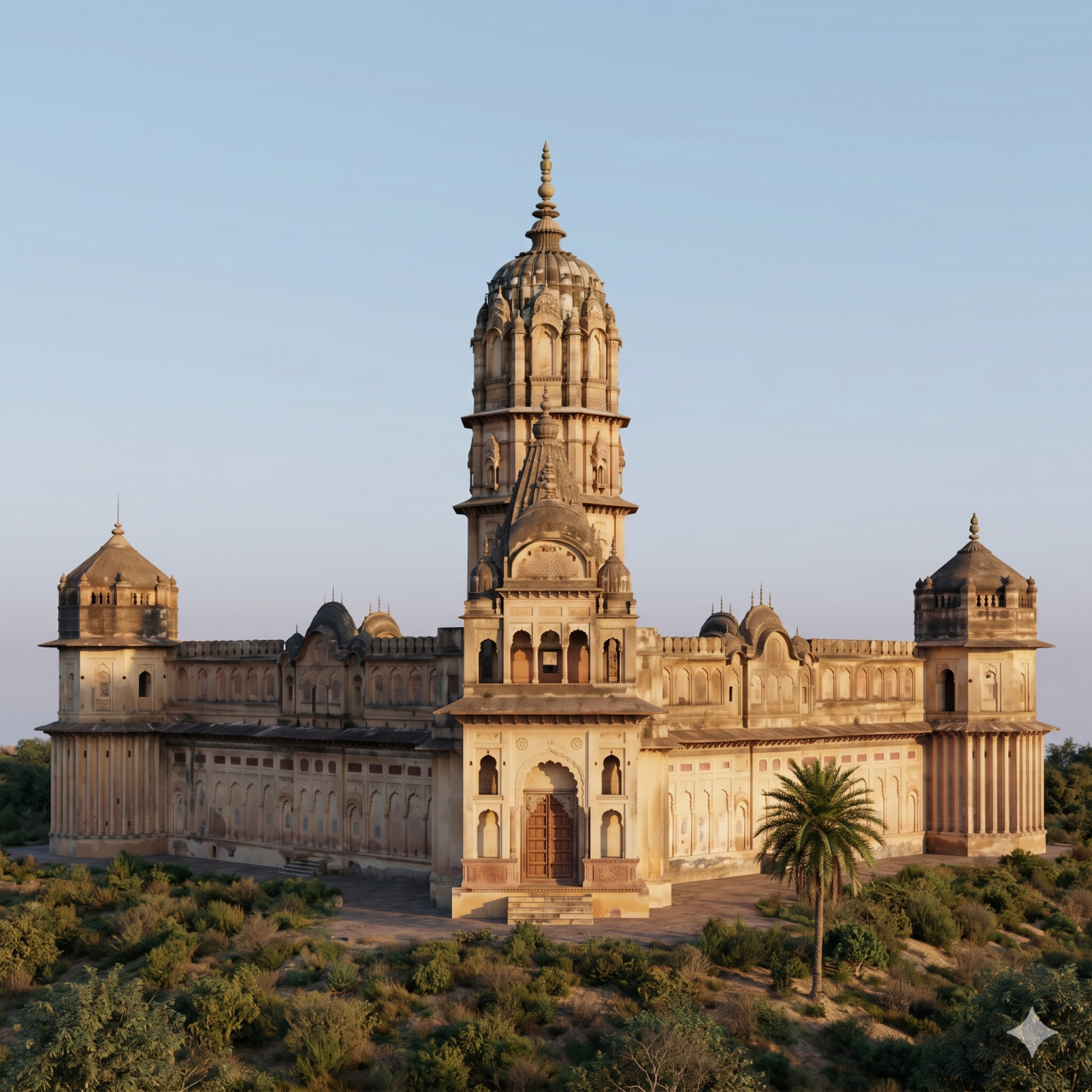
The Lakshmi Temple in Orchha, Madhya Pradesh, India, is a late 18th-century Hindu temple dedicated to Goddess Lakshmi, the deity of wealth and prosperity. It is celebrated for its fusion of temple and fort architecture and for elaborate mural paintings that narrate mythological and historical scenes.
The Mahalakshmi Temple in Kurnool, Andhra Pradesh, India, is a prominent Hindu shrine dedicated to Goddess Mahalakshmi, the deity of wealth and prosperity. It is a revered spiritual destination attracting devotees from across the region, especially during festivals dedicated to the goddess.
The Mahalakshmi Temple in Sangli, Maharashtra, India, is a revered Hindu shrine dedicated to Goddess Mahalakshmi, regarded as the goddess of wealth and prosperity. It serves as one of the prominent temples in the region and a significant spiritual center for devotees across western Maharashtra.
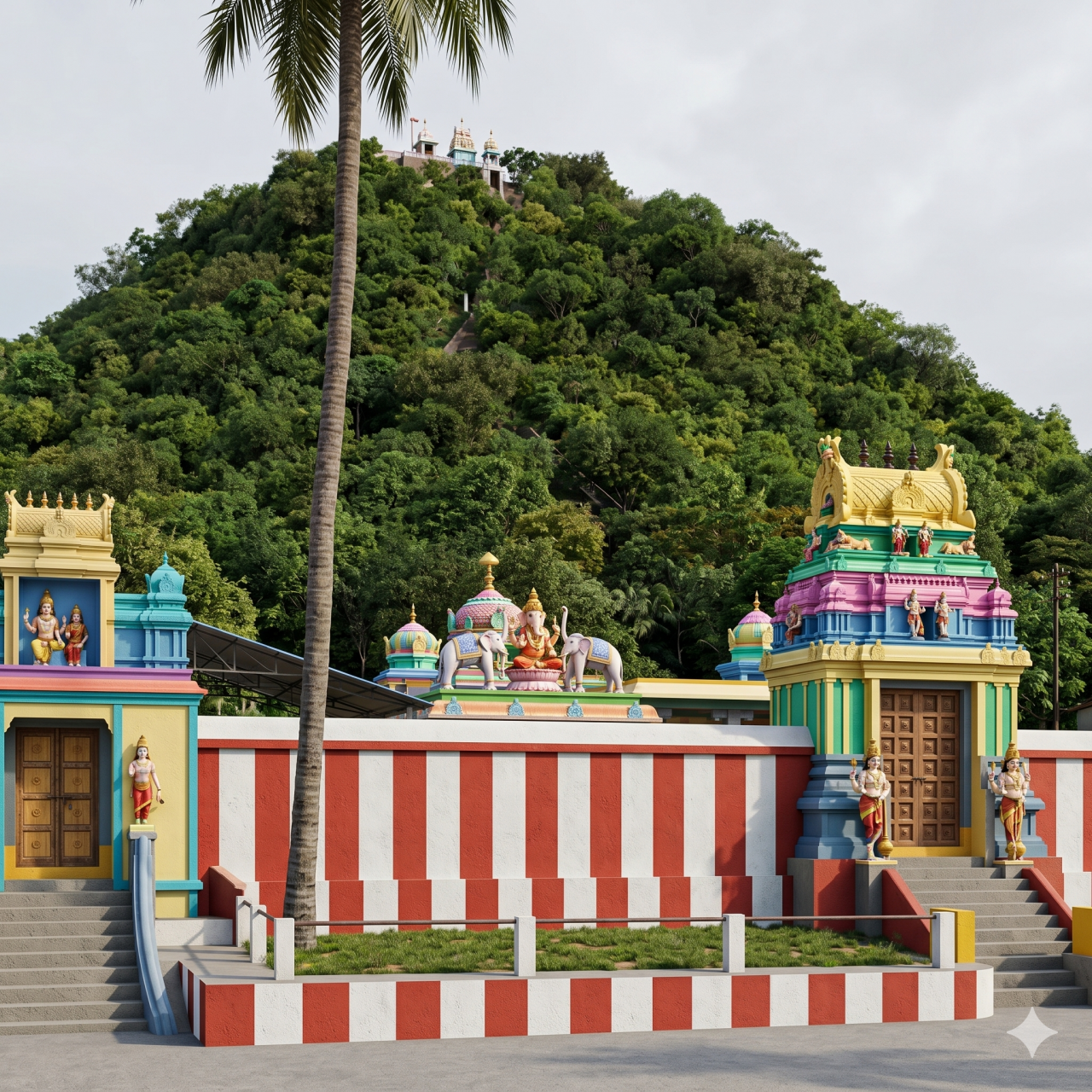
The Sri Lakshmi Hayagriva Temple in Hajo, Assam, India, is a prominent Hindu pilgrimage site dedicated to Lord Hayagriva, an incarnation of Vishnu worshiped as the god of knowledge and wisdom. Perched atop the Monikut Hill, it is a notable example of Assam’s syncretic religious heritage and ancient temple architecture.
The Lakshmi Narayan Temple in Chandigarh, India, is a prominent Hindu temple dedicated to Lord Vishnu (Narayan) and Goddess Lakshmi. Commonly known as the Birla Mandir, it is one of the city’s major spiritual and architectural landmarks, attracting devotees and visitors for its serenity and ornate design.